


Container gardening is an increasingly popular way to grow fresh vegetables, even when outdoor space is limited. With the right containers, soil, and care, almost any vegetable can thrive in a pot, balcony planter, or raised container. Container vegetable gardening is ideal for apartments, patios, rooftop gardens, and small backyards. It offers flexibility, easier pest control, and the convenience of having fresh produce within reach.
Choosing the Right Containers
The success of container vegetable gardening starts with selecting the proper containers. Containers come in a variety of materials, including plastic, ceramic, wood, and fabric. The size and depth of the container should match the type of vegetable being grown. Root crops like carrots or beets need deep containers of at least 12–18 inches, while leafy greens like lettuce and spinach can thrive in shallower pots around 6–12 inches deep. Drainage is essential; containers should have holes at the bottom to prevent waterlogging, which can harm roots. Self-watering pots are useful for gardeners who may not water daily, especially in hot weather.
Best Vegetables for Containers
Leafy Greens
Leafy vegetables are perfect for containers because they have shallow roots and grow quickly. Lettuce, spinach, kale, and arugula are all excellent choices. Lettuce can be harvested repeatedly by cutting outer leaves while allowing the inner leaves to grow. Spinach and arugula thrive in partial shade, making them ideal for balconies with limited sunlight. Kale is hardier and grows well in larger containers, providing both leaves and nutrition for months.
Tomatoes
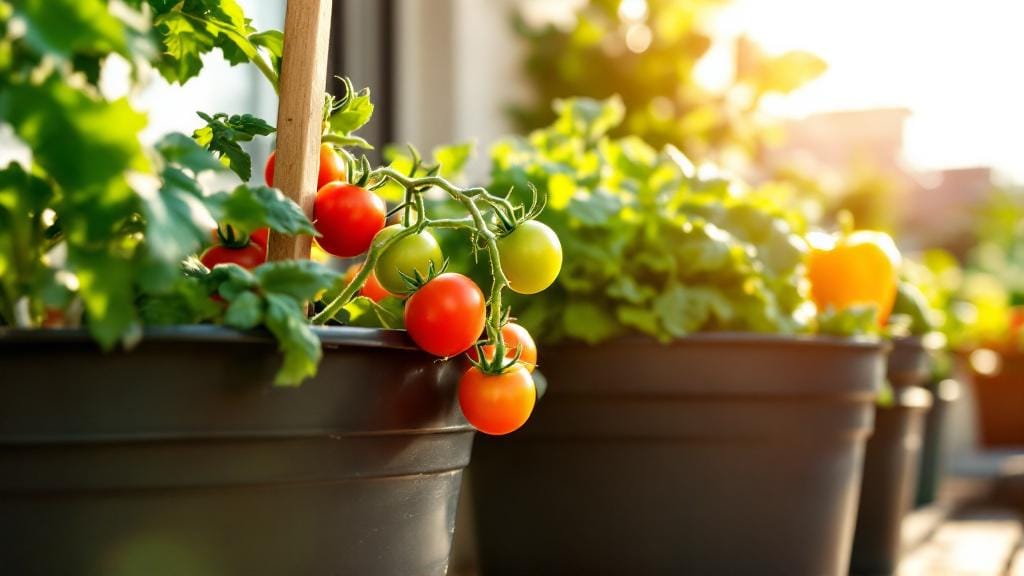
Tomatoes are one of the most popular container vegetables. Choose determinate or dwarf varieties, as these remain compact and are easier to manage in pots. Containers should be at least 18 inches deep and wide, with stakes or cages for support. Tomatoes require full sun for six to eight hours daily and consistent watering. Regular fertilization encourages flowering and fruiting. With proper care, container tomatoes can produce abundant and flavorful fruit throughout the growing season.
Peppers
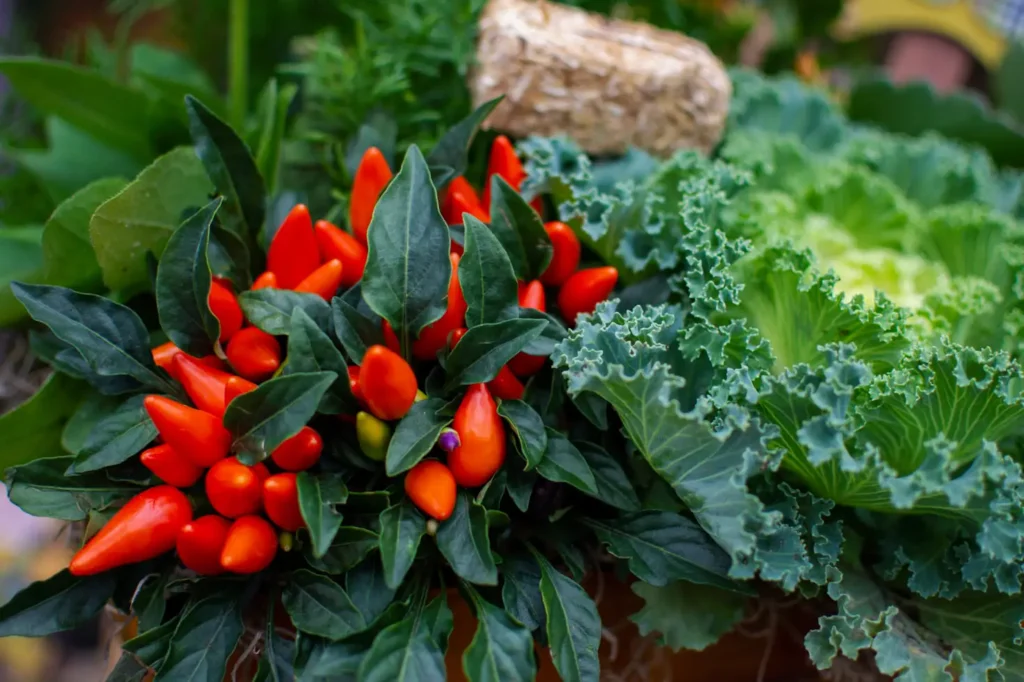
Both sweet and hot peppers grow well in containers. Bell peppers, chili peppers, and smaller ornamental peppers require pots that are 12–16 inches in diameter. Like tomatoes, they thrive in full sun and warm temperatures. Overwatering should be avoided, as it can cause root rot. Companion planting with herbs like basil can enhance flavor and deter pests. Regular harvesting ensures continuous growth and fruit production.
Root Vegetables
Root crops such as carrots, radishes, beets, and turnips can also be grown successfully in containers. Radishes are perfect for shallow containers of 6–8 inches, while carrots and beets need deeper containers for proper root development. Loose, well-draining soil allows roots to grow straight and healthy. Turnips can be harvested young for tender roots and edible greens. Root vegetables are quick-growing and ideal for gardeners who want fast results.
Herbs
Herbs thrive in containers due to their compact growth and adaptability. Basil, parsley, cilantro, thyme, rosemary, and chives are popular choices. Herbs can be grown alone in small pots or combined with vegetables in larger containers. Frequent harvesting promotes bushy growth and provides a steady supply for cooking. Most herbs prefer full sun, though some, like parsley and cilantro, tolerate partial shade, making them versatile for any container garden.
Cucumbers and Zucchinis
Cucumbers and zucchinis can be container-grown if given sufficient space. Cucumbers do well in tall containers with trellises, allowing vines to climb and saving ground space. Zucchini requires wide, deep pots—at least 18 inches in diameter. Both vegetables need full sun, consistent watering, and nutrient-rich soil. Regular harvesting encourages continued fruit production. These vegetables add productivity and variety to any container garden.
Strawberries
Strawberries are an ideal addition to container gardens. They thrive in pots, hanging baskets, and vertical planters. Strawberries prefer well-draining soil and full sun for at least six hours a day. Consistent watering is important, but care should be taken to avoid waterlogged soil, which can cause root disease. Container strawberries can provide sweet fruit throughout the growing season and add vibrant color to the garden.

Soil and Fertilization
Using the right soil is crucial for container vegetable gardening. Garden soil is too heavy for pots, so choose a high-quality, lightweight potting mix. Adding compost or slow-release fertilizer provides essential nutrients. Containers dry out faster than garden beds, so regular watering and fertilization are necessary. Liquid fertilizers, every two to four weeks, can promote strong growth, while slow-release options help maintain nutrients over time.
Sunlight and Placement
Most vegetables require six to eight hours of direct sunlight each day. When applying practical yard tips to your space, place containers where they receive adequate light, whether on patios, balconies, or rooftops. Leafy greens and some herbs tolerate partial shade, allowing flexibility in placement. Rotating containers ensures even light distribution and prevents uneven growth. Protect plants from strong winds that can damage tall or delicate vegetables.
Place containers where they receive adequate light, whether on patios, balconies, or rooftops. Rotating containers ensures even light distribution and prevents uneven growth. For easier movement, consider using the best plant caddies with wheels to effortlessly move heavy pots throughout the day to maximize sun exposure.
Watering and Maintenance
Container plants dry out faster than those in the ground, so monitoring soil moisture is critical. Water deeply when the top inch of soil feels dry. Mulching with straw or bark helps retain moisture and reduces evaporation. To simplify this task, many gardeners use a self-watering system, which provides a consistent water supply to the plant’s roots and prevents underwatering. These systems are perfect for maintaining the right moisture level without constant manual effort.
These containers are especially helpful for busy gardeners or those living in hot climates, as they use a reservoir system to keep the soil at the perfect moisture level. Regular pruning and harvesting are necessary to maintain plant health and encourage continuous growth. Removing yellow or damaged leaves prevents disease and supports strong development. Inspect plants regularly for pests and diseases to catch problems early.
Companion Planting
Companion planting can enhance the productivity and health of container vegetables. Certain vegetables and herbs grow well together, providing pest control and improving flavor. For example, basil planted with tomatoes can repel insects and enhance taste, while marigolds near peppers help deter aphids and nematodes. Mixing flowers, herbs, and vegetables in containers creates attractive, productive, and healthy garden arrangements. Incorporating some of the best flowers in vegetable garden setups, such as nasturtiums and calendula, not only adds a splash of color but also acts as a natural trap crop for pests like aphids, protecting your precious veggies.
Benefits of Container Vegetable Gardening
Container vegetable gardening offers numerous advantages. It allows gardening in small spaces, such as patios or apartments, where traditional garden beds are not possible. Containers are portable, letting gardeners move plants to catch sunlight or protect them from harsh weather. They provide better control over soil quality, drainage, and pest management. Additionally, container gardening reduces bending and weeding, making it accessible for gardeners of all ages and physical abilities.
Harvesting and Enjoying Your Vegetables
Regular harvesting is essential for container vegetables. Picking mature vegetables at the right time encourages further production and ensures peak flavor. Leafy greens should be harvested by cutting outer leaves, while fruits like tomatoes, peppers, and cucumbers should be picked when fully ripe. Herbs can be snipped frequently to promote bushy growth, and root vegetables should be pulled when they reach the desired size. Enjoying fresh vegetables from your container garden adds flavor, nutrition, and satisfaction to your meals.
Growing vegetables in containers is a practical, rewarding, and versatile way to enjoy fresh produce year-round. Leafy greens, tomatoes, peppers, root vegetables, herbs, cucumbers, zucchinis, and strawberries all thrive in containers with proper care. Choosing the right pots, soil, sunlight, and maintenance routines ensures healthy, productive plants. Container gardening provides the flexibility to grow vegetables in limited spaces while offering fresh, homegrown food at your fingertips. With consistent care and attention, your container vegetable garden can become a vibrant and productive source of nutritious vegetables for your family.