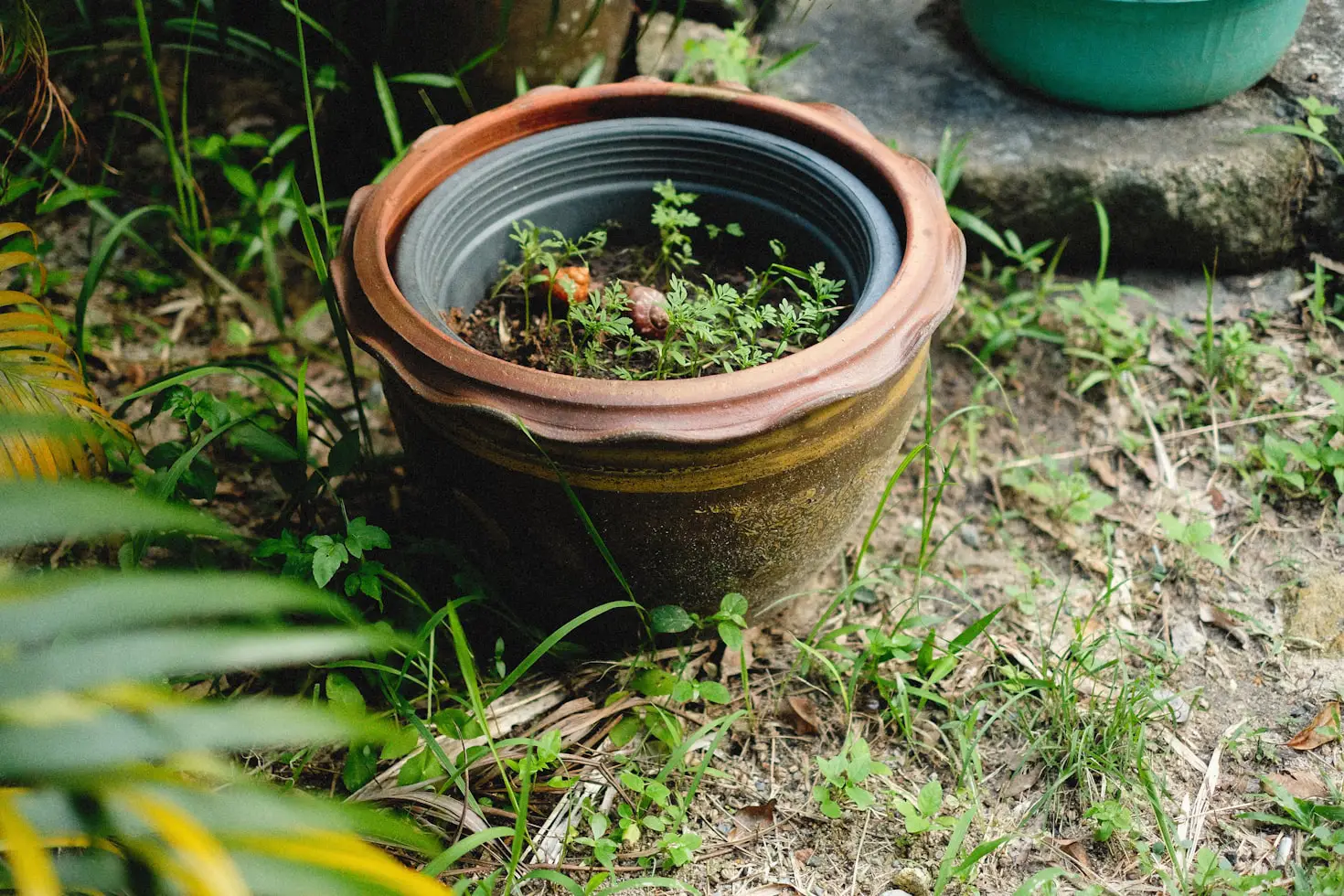

Growing vegetable plants in pots is one of the easiest and most rewarding ways to enjoy fresh produce, even in limited spaces. Whether you have a balcony, patio, or small backyard, this method allows you to grow your own food without needing a large garden. With the right pots, soil, and sunlight, vegetable plants in pots can thrive just as well as those in the ground. This approach not only saves space but also gives you greater control over watering and soil quality. Let’s explore how you can start growing vegetable plants successfully in pots at home.
Why Growing Vegetable Plants in Pots Is Perfect for Urban Gardeners
For city dwellers, growing vegetable plants in pots is a practical solution to limited outdoor space. Pots can fit easily on balconies, rooftops, or windowsills, turning small areas into lush green gardens. Container gardening allows you to control soil type, moisture, and sunlight—key factors for healthy plant growth. Unlike traditional gardening, plants in pots are portable, so you can move them to capture the best light throughout the day. This flexibility makes urban gardening not only possible but also highly productive, allowing anyone to enjoy the freshness of homegrown vegetables right from their own compact space.
The Best Vegetables to Grow Easily in Pots and Containers
Not all vegetables perform equally well in containers. The best vegetable plants in pots are those with compact growth and shallow roots. Tomatoes, peppers, spinach, lettuce, radishes, and herbs like basil or mint are great choices for beginners. Root vegetables such as carrots and beets also do well if the pot is deep enough. When growing vegetable plants, choose dwarf or bush varieties, as they adapt better to limited space. Mixing fast-growing greens with fruiting plants ensures continuous harvests. With proper care, even a few pots can yield a surprising amount of fresh, healthy vegetables all year round.
How to Choose the Right Pots for Healthy Vegetable Growth
Choosing the right pot is essential when growing vegetable plants in pots. The container should be large enough to allow roots to spread but not so big that the soil stays soggy. For most vegetables, pots between 10–20 inches deep work best. Ensure the container has drainage holes to prevent waterlogging. Materials like plastic, ceramic, or terracotta all work well, though fabric grow bags offer better airflow for roots. When selecting containers for plants in pots, consider sunlight exposure, weight, and ease of movement. The right pot provides the foundation for strong, healthy, and productive vegetable plants.
Potting Mix Secrets: Soil That Makes Your Vegetable Plants Thrive
The success of growing vegetable plants in pots depends heavily on the soil. Regular garden soil is often too dense for containers. Instead, use a high-quality potting mix that combines compost, coco coir, and perlite for moisture retention and aeration. This blend ensures your vegetable plants in pots receive adequate oxygen and nutrients. Enrich the mix with organic fertilizers like worm castings or composted manure to encourage robust growth. The goal is to create a light, well-draining, nutrient-rich environment where roots can grow freely. Healthy soil equals healthy vegetables — and that’s the key to thriving plants in pots.
Sunlight and Space: Setting Up the Perfect Container Garden
Growing vegetable plants in pots successfully requires attention to sunlight. Most vegetables need 6–8 hours of direct sunlight daily. Place your pots on a sunny balcony or near a window that gets ample light. Rotate plants in pots regularly to ensure even growth. If you lack natural sunlight, consider using grow lights to supplement. Proper spacing between containers is also vital—crowded plants compete for nutrients and airflow, which can lead to disease. With careful arrangement and consistent lighting, your container garden will become a vibrant space full of healthy, flourishing vegetable plants in pots.
Common Mistakes to Avoid When Growing Vegetables in Pots
Even experienced gardeners make mistakes when growing vegetable plants in pots. Overwatering is one of the most common issues, leading to root rot. Underwatering, on the other hand, causes wilting and stunted growth. Using garden soil instead of potting mix can suffocate roots due to poor drainage. Another mistake is choosing pots that are too small for mature plants. Avoid placing containers in shaded areas where sunlight is insufficient. Finally, neglecting regular fertilization reduces nutrient levels over time. By avoiding these pitfalls, your plants in pots will remain strong, productive, and free from most common growing problems.
How Often Should You Water and Fertilize Potted Vegetables?
Watering and fertilizing schedules are crucial for growing vegetable plants successfully. Containers dry out faster than garden beds, so most plants in pots need daily watering in hot weather. Always check the top inch of soil—if it’s dry, it’s time to water. Avoid soaking the soil completely, as this can drown the roots. Fertilize every 2–3 weeks with a balanced organic fertilizer or compost tea to maintain nutrient levels. Slow-release fertilizers are also effective. Consistent watering and feeding help your vegetable plants in pots stay healthy, ensuring steady growth and a continuous supply of fresh, flavorful produce.
Companion Planting Tips for Potted Vegetable Gardens
Companion planting is a smart way to maximize space when growing vegetable plants in pots. Certain plants benefit each other by improving flavor, deterring pests, or enhancing growth. For example, basil pairs well with tomatoes, while carrots grow well near onions. Avoid overcrowding, but mix compatible plants in pots to save space and promote biodiversity. Herbs like thyme and rosemary repel pests naturally. Combining flowers such as marigolds with vegetables adds color while keeping insects away. Thoughtful companion planting not only boosts the productivity of your vegetable plants in pots but also creates a visually appealing mini garden.
DIY Ideas to Maximize Small Spaces for Growing Vegetable Plants
When space is limited, creativity is key to growing vegetable plants in pots. Vertical gardening is a great option—use shelves, hanging baskets, or wall-mounted planters to grow more in less area. Stackable pots and tiered containers are also efficient solutions for plants in pots. Repurpose buckets, crates, or old containers as planters to save money. Compact vegetables like lettuce, herbs, and cherry tomatoes grow perfectly in small pots. Grouping plants with similar light and water needs makes care easier. With a bit of imagination, even the tiniest balcony can become a thriving garden filled with productive vegetable plants.
Harvest Time: How to Get the Best Yield from Your Potted Vegetables
Harvesting correctly ensures continued production when growing vegetable plants in pots. Pick vegetables regularly to encourage new growth. Leafy greens like spinach and lettuce can be harvested continuously by trimming outer leaves. For fruiting vegetables, such as peppers and tomatoes, wait until they’re fully colored before picking. Avoid letting overripe produce remain on the plant, as it reduces future yields. Refresh the soil and add light fertilizer after each harvest to replenish nutrients. With proper care and timing, your vegetable plants in pots will reward you with a bountiful, flavorful harvest throughout the growing season.


