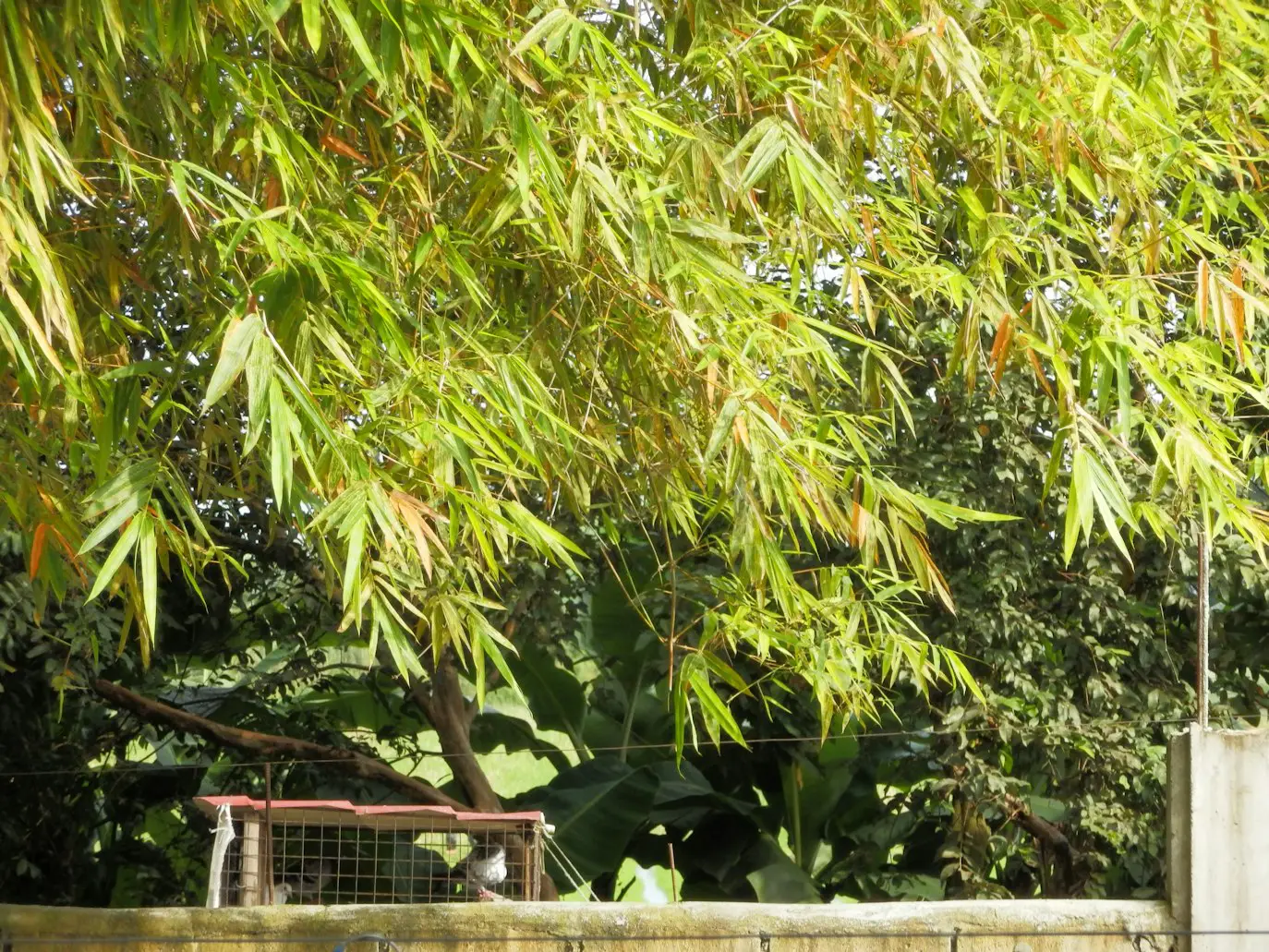

Backyard plants have the power to completely transform your outdoor space into a vibrant and welcoming environment. Whether you have a small backyard or a large garden, selecting the right plants can enhance beauty, provide shade, and improve air quality. From colorful flowers to lush shrubs and native species, backyard plants offer versatility and aesthetic appeal. This guide will help you understand how to choose, care for, and creatively use backyard plants to create a stunning outdoor living area that suits your style and climate.
What Are Backyard Plants and Why Are They Essential?
Backyard plants are various species grown outdoors in residential gardens or yards to improve aesthetics and functionality. These plants range from ornamental flowers and shrubs to trees and ground covers. Backyard plants are essential because they contribute to environmental health by improving air quality, reducing soil erosion, and supporting local wildlife. Additionally, they add visual interest, create privacy, and provide shade. Incorporating a diverse mix of backyard plants can enhance biodiversity and foster a peaceful outdoor retreat right at home.
Top Backyard Plants for Every Climate Zone
Selecting backyard plants that thrive in your climate zone is crucial for success. In warmer climates, drought-tolerant plants like succulents, lavender, and bougainvillea flourish. Cooler regions benefit from hardy plants such as conifers, hostas, and hydrangeas. Tropical climates support palms and hibiscus, while temperate zones accommodate a wide variety of perennials and shrubs. Consulting local gardening resources helps identify native backyard plants suited to your area’s temperature and rainfall. Choosing plants adapted to your climate ensures healthy growth and minimizes maintenance.
How to Choose the Right Backyard Plants for Your Space
Choosing the right backyard plants depends on factors like available sunlight, soil type, and garden size. Assess whether your space receives full sun, partial shade, or full shade, then select plants accordingly. Consider soil drainage and fertility, as some backyard plants prefer moist, rich soil while others thrive in dry, sandy conditions. Also, think about the mature size of plants to avoid overcrowding. Selecting plants that complement your outdoor style and meet environmental conditions will result in a balanced and thriving backyard garden.
Essential Care Tips for Thriving Backyard Plants
To ensure backyard plants thrive, consistent care is essential. Water plants deeply but avoid overwatering to prevent root rot. Mulching helps retain moisture and regulate soil temperature. Fertilize periodically with organic compost to provide necessary nutrients. Prune dead or damaged branches to promote healthy growth and shape plants. Regularly check for pests and diseases and treat them promptly using eco-friendly methods. Adequate sunlight and good air circulation further support plant health. Following these care tips helps maintain a lush and vibrant backyard.
Benefits of Adding Backyard Plants to Your Outdoor Living Area
Adding backyard plants enhances your outdoor living area by creating a relaxing atmosphere and improving air quality. Plants act as natural air purifiers, absorbing carbon dioxide and releasing oxygen. They provide shade, reducing heat and energy costs. Backyard plants also increase property value by boosting curb appeal. Moreover, they create habitats for beneficial insects and birds, enriching local biodiversity. Whether for beauty, environmental benefits, or personal enjoyment, backyard plants are valuable additions to any outdoor space.
Low-Maintenance Backyard Plants Perfect for Busy Gardeners
For busy gardeners, low-maintenance backyard plants offer beauty without extensive care. Succulents, ornamental grasses, and native wildflowers require minimal watering and fertilizer. Shrubs like boxwood and juniper are drought-tolerant and resist pests. Perennials such as daylilies and hostas regrow year after year with little effort. Choosing these plants reduces gardening time while maintaining an attractive landscape. Incorporating low-maintenance backyard plants is ideal for those seeking a vibrant garden with less upkeep.
Common Problems with Backyard Plants and How to Fix Them
Backyard plants may face issues like pests, diseases, nutrient deficiencies, and improper watering. Yellowing leaves often indicate overwatering or poor drainage, while pests like aphids can damage foliage. Treat infestations with natural remedies such as neem oil or insecticidal soap. Soil deficiencies can be corrected with balanced fertilizers or compost. Prune diseased branches to prevent spread. Regular monitoring and timely intervention help resolve common problems, ensuring your backyard plants remain healthy and vigorous.
Seasonal Planting Guide for Backyard Plants
Understanding seasonal planting helps backyard plants thrive year-round. Spring and early summer are ideal for planting annual flowers and vegetables, benefiting from warming soil and longer days. Fall is perfect for planting perennials and shrubs to establish roots before winter. Some plants, like bulbs, require autumn planting for spring bloom. Adjust planting schedules based on your local climate and frost dates to maximize growth and bloom cycles. Following a seasonal guide ensures your backyard plants flourish throughout the year.
Creative Landscaping Ideas Using Backyard Plants
Creative landscaping with backyard plants can transform ordinary yards into stunning outdoor retreats. Combine plants with varying heights, colors, and textures to create visual interest. Use flowering shrubs alongside evergreens for year-round appeal. Incorporate pathways bordered by low-growing plants or colorful flowers. Add containers and raised beds to maximize space and accessibility. Consider vertical gardening or trellises to add dimension. Thoughtful design using backyard plants enhances functionality and aesthetics, making your outdoor space both beautiful and enjoyable.
Attracting Wildlife with Native Backyard Plants
Native backyard plants play a vital role in attracting local wildlife such as birds, butterflies, and pollinators. These plants provide food, shelter, and breeding grounds that support biodiversity. Choosing native species adapted to your region ensures they thrive and sustain local ecosystems. For example, native flowering plants attract bees and butterflies, while shrubs and trees offer nesting sites for birds. Incorporating native backyard plants fosters a lively, natural environment and promotes environmental within your outdoor space.


