


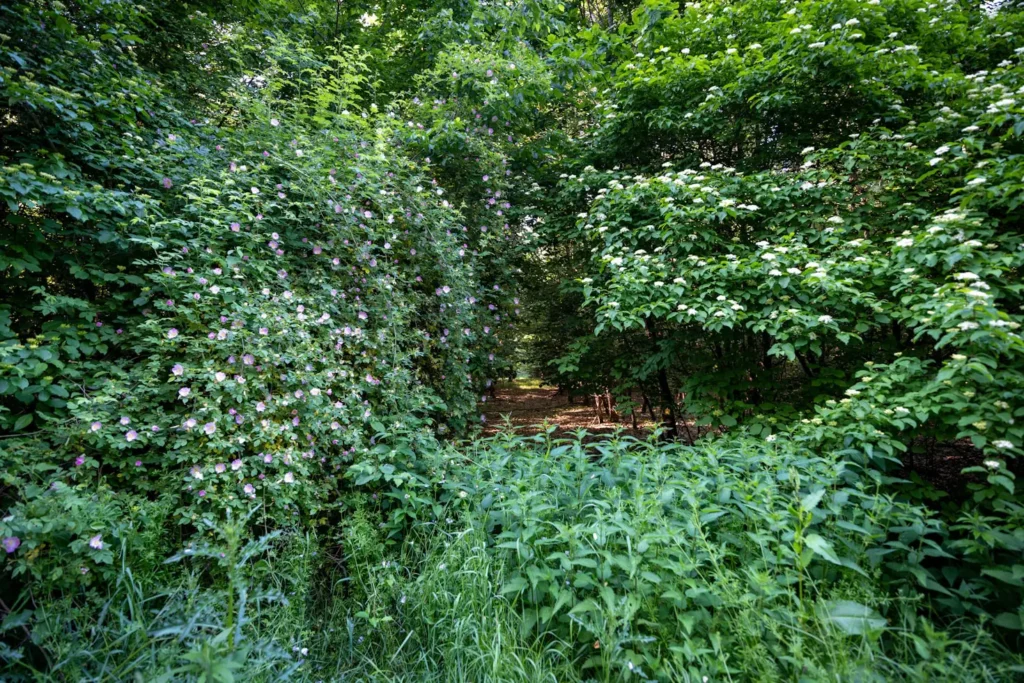
A boggy garden doesn’t have to be a frustrating patch of soggy soil; it can become the most unique and vibrant part of your landscape. Rather than fighting the natural moisture, embrace it with clever garden design and moisture-loving plants. A boggy area can be transformed into a lush, green retreat filled with beauty, biodiversity, and life. With thoughtful planning, your garden will not only look stunning but also support native wildlife and reduce maintenance. Whether you’re starting from scratch or renovating a wet spot, learn how to turn a boggy garden into your garden’s biggest asset.
What Is a Boggy Garden and Why It’s Not a Problem Area
A boggy garden refers to areas where soil remains wet or poorly drained throughout the year. Often seen as problematic, these spaces are actually an opportunity to create beautiful, eco-friendly gardens. Boggy conditions support unique plants and ecosystems that can’t survive in drier environments. Rather than battling constant moisture, you can work with it to develop a healthy, thriving garden. By understanding your soil and drainage patterns, you can select appropriate plants and layouts. Embracing your boggy garden opens up design options that are both environmentally responsible and visually stunning, turning a challenge into a gardening triumph.
Top Boggy Garden Ideas to Beautify Wet, Soggy Spaces
There are endless creative ideas for transforming your boggy garden into a feature-rich space. Start with natural stepping stones or boardwalks to navigate wet areas stylishly. Add raised planting beds or use containers to provide elevation and contrast. Incorporate texture with ferns, hostas, and ornamental grasses suited to boggy conditions. A small water feature or pond can enhance the ambiance while improving drainage. Design with layers using tall plants at the back and shorter ones near the front to add depth and interest. Thoughtfully curated, your boggy garden can become the most attractive and peaceful area of your yard.
Best Plants to Thrive in Your Boggy Garden
Choosing the right plants is crucial to the success of a boggy garden. Look for species that naturally thrive in wet soil and partial sun, such as Japanese iris, marsh marigold, and swamp milkweed. Ferns, sedges, and hostas are excellent for adding greenery and texture. For color, consider lobelia, cardinal flower, and astilbe, which bloom beautifully in moist conditions. Native plants are especially ideal, as they are adapted to local weather and require less maintenance. With careful plant selection, your boggy garden can remain vibrant throughout the seasons, turning even the wettest patch of land into a lush sanctuary.
Choosing species that love wet feet is the secret to a flourishing landscape. You can explore our full list of bog plants to find the perfect match for your soil and sun conditions.

How to Turn a Boggy Garden into a Lush Wildlife Habitat
A boggy garden can easily be transformed into a haven for wildlife. The constant moisture creates an ideal environment for frogs, dragonflies, butterflies, and birds. Plant nectar-rich flowers like Joe-Pye weed and bee balm to attract pollinators. Add a shallow pond or water feature to provide habitat for aquatic creatures. Include native shrubs and grasses to offer shelter and nesting areas. Avoid using pesticides or chemical fertilizers that can harm beneficial organisms. By designing your boggy garden with biodiversity in mind, you support local ecosystems while enjoying a dynamic, ever-changing landscape right in your backyard.
Design Tips for Creating a Low-Maintenance Boggy Garden
A well-designed boggy garden can be both beautiful and low-maintenance. Begin with plants that naturally thrive in wet soil, reducing the need for irrigation or special care. Use mulch to suppress weeds and retain soil moisture. Group plants with similar water and sunlight needs to simplify care routines. Consider natural barriers like stone edging to define spaces and manage water flow. Incorporate hardy, native perennials that return each year without replanting. By working with the natural conditions of your boggy garden rather than against them, you can create a sustainable and easy-to-maintain outdoor space.
Common Mistakes to Avoid When Planning a Boggy Garden
When designing a boggy garden, it’s important to avoid some common pitfalls. One mistake is selecting plants that can’t tolerate consistently wet soil, leading to poor growth or plant loss. Overcomplicating the design with high-maintenance features can also be problematic. Ignoring natural drainage patterns or compacting soil during installation can worsen bogginess. Another frequent error is failing to incorporate paths or access points, making the garden hard to enjoy. Avoid these missteps by researching suitable plants, working with the land’s natural water flow, and focusing on practical, low-maintenance elements that enhance usability and long-term success.
The Benefits of Embracing a Naturally Boggy Garden
A boggy garden offers numerous benefits, especially when embraced as a natural feature. These gardens require less watering, are often resistant to drought, and support a diverse range of plant and animal life. The constant moisture can reduce dust and improve air quality around your home. Boggy gardens also help manage stormwater runoff and reduce soil erosion. Additionally, they offer a unique aesthetic, lush, green, and full of life, that can’t be replicated in dry areas. By working with your garden’s natural conditions, you create a space that is environmentally sustainable, resilient, and truly one-of-a-kind.
From Flooded to Flourishing: Real-Life Boggy Garden Transformations
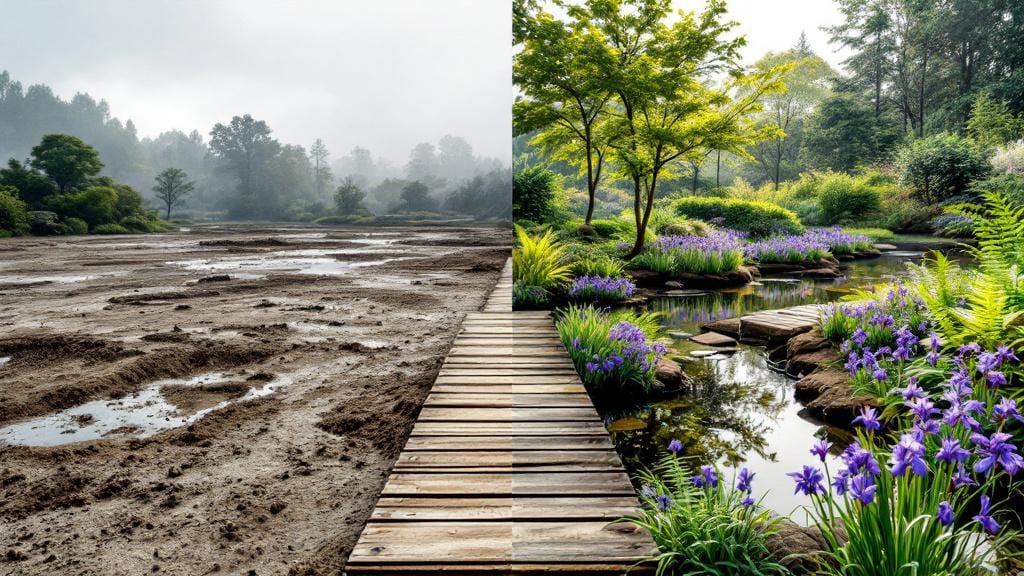
Many gardeners have turned their boggy garden challenges into beautiful successes. Whether it’s converting a waterlogged corner into a thriving wildflower meadow or reshaping terrain for improved drainage and planting, real-life examples abound. One homeowner used a mix of raised beds and wetland plants to bring color and biodiversity to a formerly soggy lawn. Others have built small ponds surrounded by moisture-loving perennials to add both function and flair. These transformations show that with creativity and knowledge, any boggy garden can become a flourishing focal point. Inspiration and success are possible even in the wettest conditions.
Eco-Friendly Landscaping: Making the Most of Your Boggy Garden
Boggy gardens align perfectly with eco-friendly landscaping practices. By planting native, water-loving species, you reduce the need for irrigation and fertilizers. The garden naturally filters runoff, helping to protect nearby waterways. Wet areas can also be used to harvest rainwater or recharge groundwater, improving sustainability. Avoiding artificial drainage systems reduces your environmental footprint and preserves natural hydrology. When designed with care, a boggy garden becomes a thriving ecosystem that gives back to the planet. It’s a sustainable way to beautify your space while promoting biodiversity, water conservation, and climate resilience in your own backyard.
Boggy Garden Inspiration: Layouts, Color Schemes, and Plant Pairings
Creating a beautiful boggy garden is all about thoughtful layout and plant selection. Use winding paths and natural curves to mimic the flow of water. Combine bold foliage with delicate blooms for contrast, like pairing gunnera with purple loosestrife. Choose a calming color scheme, such as greens, blues, and soft purples, or go bold with fiery reds and oranges. Layer plants by height and texture to add depth. Consider seasonal interest by mixing early bloomers with late-flowering species. With the right combinations, your boggy garden becomes an ever-changing landscape full of texture, color, and charm.