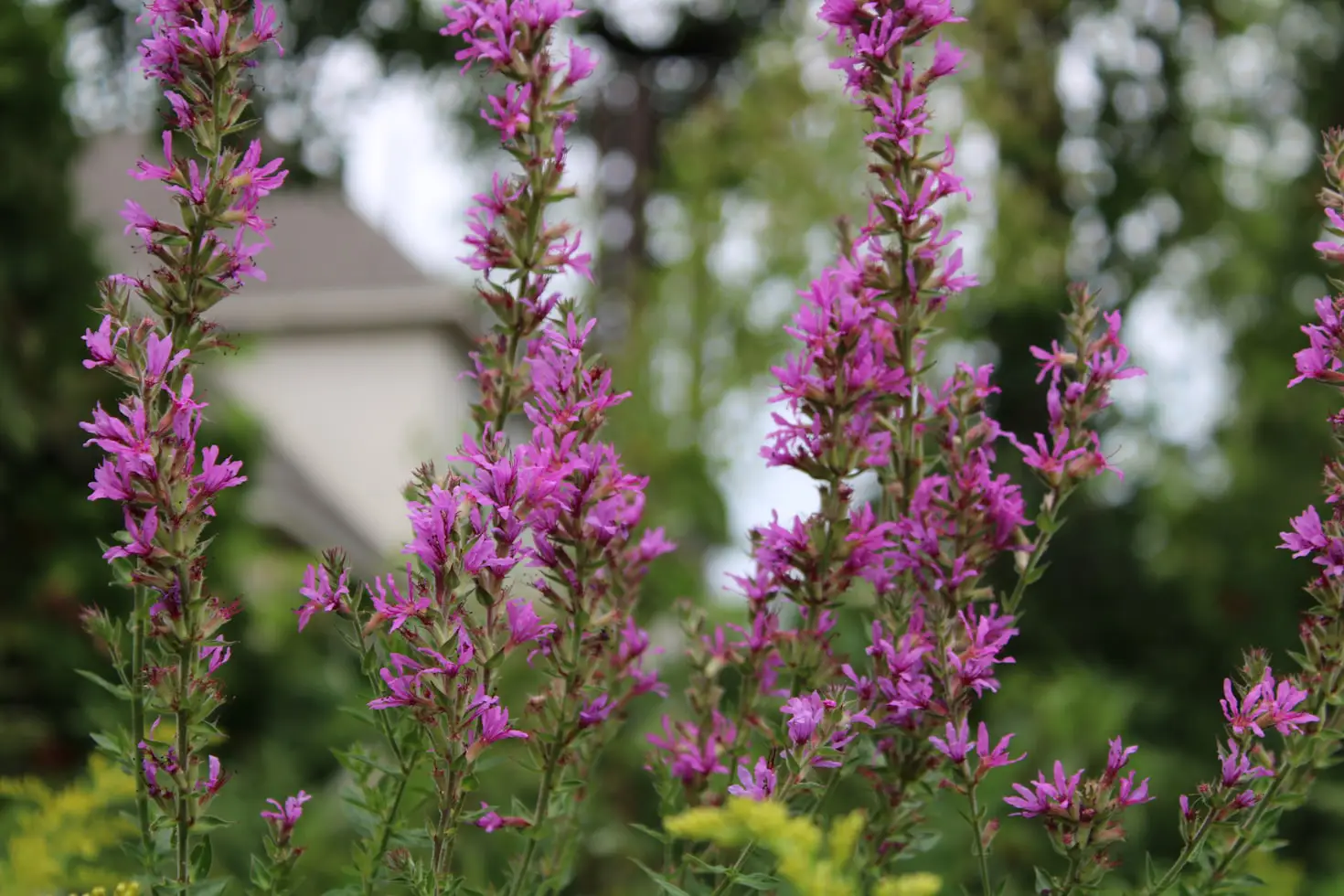

Swamp gardens, sometimes called wetland gardens, are unique landscapes designed to mimic the natural conditions of a swamp or marsh. Unlike traditional gardens, swamp gardens thrive in constantly wet or poorly drained soils, making them perfect for areas with heavy rainfall, low-lying landscapes, or backyard ponds. By embracing water instead of fighting it, a swamp garden can become a haven for wildlife, a natural filtration system for runoff, and a visually stunning addition to your outdoor space.
1. What Is a Swamp Garden?
A swamp garden is a garden designed to flourish in wet conditions, often featuring:
- Standing water or saturated soil
- Water-loving plants (hydrophytes)
- Dense, lush vegetation that may resemble a natural wetland
Swamp gardens are inspired by natural swamps and marshes, but they are carefully planned to balance aesthetics, ecology, and practicality. Unlike a bog garden, which relies on acidic, nutrient-poor soil, a swamp garden typically has nutrient-rich soil and can support larger, more vigorous plants.
2. Benefits of a Swamp Garden
Creating a swamp garden is not only visually striking—it has many practical benefits:
- Water Management
Swamp gardens naturally absorb excess rainwater, reducing flooding and soil erosion. They act as living sponges, filtering pollutants before they reach waterways. - Wildlife Habitat
Frogs, dragonflies, birds, and beneficial insects thrive in swamp gardens. Even small mammals may find shelter in dense plantings. - Low Maintenance
While swamp gardens need water, they are often lower maintenance than traditional gardens because they don’t require constant irrigation or soil amendment. - Visual Impact
The combination of water, bold foliage, and flowering plants creates dramatic textures and reflections that change with the seasons.
3. Planning a Swamp Garden
Planning is key to creating a successful swamp garden. Here are the main considerations:
a. Location
- Low-lying areas: Ideal because they naturally collect water.
- Near ponds or streams: Swamp gardens can extend the edge of a water body for a seamless wetland look.
- Sunny or partially shaded areas: Most wetland plants tolerate full sun, but some prefer partial shade.
b. Soil
- Swamp gardens require wet or poorly drained soil.
- If your soil is sandy or drains too quickly, you can create a shallow basin lined with clay or a pond liner to retain water.
c. Water Depth
- Most swamp plants tolerate water-saturated soil or standing water up to 6–12 inches deep.
- Deeper water areas can be incorporated for marginal plants or water lilies.
4. Choosing Plants for a Swamp Garden
Plants are the centerpiece of a swamp garden. Choose species adapted to wet, nutrient-rich conditions. Categories include:
a. Marginal Plants
These thrive at the edges of water:
- Cattails (Typha spp.)
- Pickerelweed (Pontederia cordata)
- Arrowhead (Sagittaria latifolia)
- Marsh marigold (Caltha palustris)
b. Water-Tolerant Perennials
These plants tolerate standing water:
- Swamp milkweed (Asclepias incarnata)
- Cardinal flower (Lobelia cardinalis)
- Joe-Pye weed (Eutrochium purpureum)
c. Shrubs and Small Trees
Add vertical structure:
- Buttonbush (Cephalanthus occidentalis)
- Redtwig dogwood (Cornus sericea)
- Swamp azalea (Rhododendron viscosum)
d. Aquatic Plants
For shallow water sections:
- Water lilies (Nymphaea spp.)
- Water lettuce (Pistia stratiotes)
- Floating ferns (Salvinia spp.)
e. Ground Covers
Keep soil stable and reduce erosion:
- Marsh marigold (Caltha palustris)
- Creeping Jenny (Lysimachia nummularia)
- Water mint (Mentha aquatica)
5. Design Tips for a Swamp Garden
Creating a swamp garden requires thoughtful design:
- Layer Plants by Height
Place taller plants like cattails and buttonbush at the back, medium perennials in the middle, and ground covers or water-edge plants at the front. - Include Open Water Pockets
Even small patches of open water attract wildlife and add reflective beauty. - Use Naturalistic Curves
Avoid straight lines—natural wetlands have meandering edges and gentle slopes. - Combine Textures and Colors
Mix large, bold leaves with delicate flowers and grasses to mimic a wild swamp. - Allow for Seasonal Variation
Some plants bloom in spring, others in summer, and some provide winter interest with colorful stems or berries.
6. Maintenance of a Swamp Garden
Swamp gardens are relatively low-maintenance but still need care:
- Water Levels: Ensure the soil stays saturated. During dry periods, supplemental watering may be needed.
- Pruning: Remove dead stems and flowers to encourage healthy growth.
- Weeding: In wet areas, weeds may be less competitive, but monitor for invasive species like purple loosestrife.
- Mulching: Organic mulch can help retain moisture and improve soil fertility.
7. Wildlife Benefits
Swamp gardens are biodiversity hotspots. They provide:
- Habitat for amphibians: Frogs, salamanders, and newts use shallow water for breeding.
- Pollinator attraction: Milkweed, cardinal flowers, and marsh marigolds attract butterflies and bees.
- Birds and mammals: Shrubs and tall plants offer shelter and nesting sites for songbirds and small mammals.
- Water quality improvement: Plants filter pollutants and reduce nutrient runoff.
8. Common Challenges
While rewarding, swamp gardens have challenges:
- Mosquitoes: Standing water can breed mosquitoes. Solution: include mosquito-eating fish or aerate the water.
- Invasive Species: Wet areas are prone to plants like purple loosestrife or reed canary grass. Regular monitoring is needed.
- Algae Growth: Nutrient runoff can cause algae blooms. Reduce fertilizer usage in nearby areas.
- Winter Damage: Some plants may die back; choose hardy species or protect sensitive ones.
9. Examples of Swamp Garden Plants by Zone
Here’s a quick reference for popular swamp garden plants:
| Plant | Zone | Type | Notes |
| Cattail (Typha) | 3–10 | Marginal | Fast-growing, tall |
| Swamp Milkweed (Asclepias incarnata) | 3–9 | Perennial | Attracts butterflies |
| Cardinal Flower (Lobelia cardinalis) | 3–9 | Perennial | Brilliant red blooms |
| Marsh Marigold (Caltha palustris) | 3–7 | Ground cover | Early spring blooms |
| Buttonbush (Cephalanthus occidentalis) | 4–10 | Shrub | Round, fragrant flower heads |
| Redtwig Dogwood (Cornus sericea) | 2–8 | Shrub | Winter color, erosion control |
10. Creating a Backyard Swamp Garden
Even if you don’t live near a natural wetland, you can create a swamp garden in your backyard:
- Choose a wet spot or dig a shallow basin.
- Line the basin with clay or pond liner to retain water.
- Add soil or compost to create a nutrient-rich base.
- Select appropriate wetland plants, using a mix of perennials, shrubs, and aquatic plants.
- Maintain water levels through rainfall, hoses, or small pumps.
- Incorporate natural features like logs, stones, and curved edges for wildlife habitat.
A swamp garden is an exciting way to embrace wet, nutrient-rich landscapes. By choosing water-loving plants, designing with natural curves, and maintaining proper water levels, you can create a vibrant ecosystem right in your backyard. Not only do swamp gardens add aesthetic beauty, but they also support wildlife, improve water quality, and reduce soil erosion. Whether you have a small backyard or a large wetland area, a swamp garden can transform a soggy spot into a thriving paradise.


