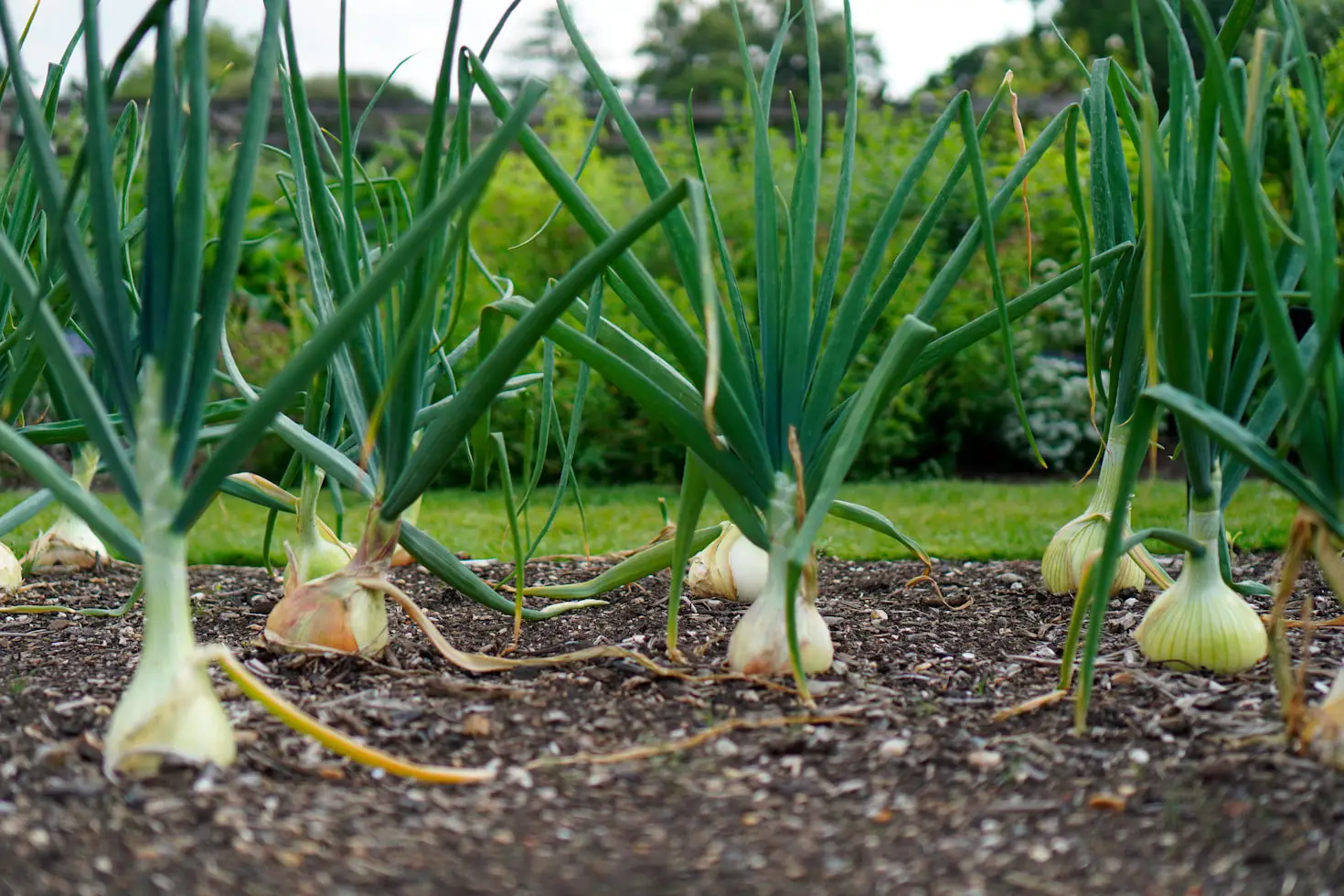

Garlic is one of the most satisfying crops to grow in a home garden. Not only does it add bold flavor to your meals, but it also has numerous health benefits and is relatively easy to cultivate. When combined with square foot gardening (SFG)—a method designed to maximize productivity in small, raised beds—garlic becomes a low-maintenance, high-yield crop. This guide will walk you through everything you need to know about planting, growing, and harvesting garlic in a square foot garden, from soil preparation to companion planting and storage.
What Is Square Foot Gardening?
Square foot gardening is a method developed by Mel Bartholomew that emphasizes intensive planting in small, structured grids. A standard raised bed, often 4×4 feet, is divided into 16 one-foot squares. Each square is dedicated to one or more crops, allowing for precise spacing, optimal soil nutrition, and efficient use of resources.
The method relies on three main principles:
- Mel’s Mix soil: A blend of one-third compost, one-third peat moss or coco coir, and one-third coarse vermiculite provides excellent fertility, drainage, and moisture retention.
- Intensive planting: Maximizes yield per square foot while suppressing weeds naturally.
- Succession planting: Allows for continuous harvests and efficient crop rotation.
Garlic is perfectly suited to SFG because it is space-efficient, low-maintenance, and thrives in nutrient-rich soil with consistent moisture.
Why Garlic Works Well in Square Foot Gardening
Garlic grows best when planted in well-draining, fertile soil and given plenty of sun. Square foot gardening offers:
- Efficient space use: Garlic cloves can be planted densely, producing more bulbs in less space than traditional row planting.
- Reduced maintenance: The rich, loose soil reduces the need for constant weeding and loosening of soil.
- Optimal conditions: Raised beds warm up faster in spring and allow better drainage, which is crucial for garlic.
- Pest control: Monitoring and protecting garlic from pests is easier in a compact, organized bed.
Whether you’re planting softneck garlic for storage or hardneck garlic for culinary use, SFG ensures each clove has the conditions it needs to thrive.
Planning Your Garlic Squares
1. Bed Preparation
Start with a raised bed at least 6–12 inches deep, ideally 4×4 feet in size. Divide the bed into 16 one-foot squares. This layout allows you to reach every garlic plant without stepping on the soil.
Fill the bed with Mel’s Mix:
- 1/3 compost: Provides nutrients for bulb development.
- 1/3 peat moss or coconut coir: Retains moisture while maintaining aeration.
- 1/3 coarse vermiculite: Ensures good drainage and prevents soil compaction.
Garlic is a heavy feeder, particularly during bulb formation, so enriching the soil with extra compost or well-rotted manure is beneficial.
2. Spacing Garlic in SFG
Garlic cloves are planted individually. In square foot gardening:
- 4–6 cloves per square foot is ideal for softneck garlic.
- 4 cloves per square foot is recommended for hardneck garlic, which tends to produce larger bulbs.
Plant the cloves 2 inches deep, pointed end up, with the tips just below the surface. Proper spacing allows the bulbs to expand while minimizing crowding, which can lead to smaller bulbs or increased susceptibility to disease.
Choosing Garlic Varieties
Garlic varieties fall into two main types:
- Softneck Garlic (Allium sativum var. sativum):
- Stores well for several months.
- Produces multiple cloves per bulb.
- Ideal for braiding or long-term storage.
- Hardneck Garlic (Allium sativum var. ophioscorodon):
- Produces a single row of larger cloves.
- Features a flower stalk (scape) that can be harvested for cooking.
- Often more cold-hardy and flavorful.
The variety you choose depends on your climate, storage needs, and flavor preference. Softneck types thrive in warmer climates, while hardneck types are better suited to cooler regions.
Planting Garlic
When to Plant
- Fall planting: Most gardeners plant garlic in the fall, 4–6 weeks before the first hard frost. This allows roots to establish before winter while bulbs remain dormant.
- Spring planting: In milder climates, garlic can be planted in early spring, but yields may be slightly smaller.
How to Plant
- Separate the garlic bulb into individual cloves, leaving the papery husk intact.
- Dig a small hole about 2 inches deep.
- Place the clove pointed end up.
- Cover with soil and water gently.
- Mulch with straw or shredded leaves to protect cloves during winter and retain soil moisture.
Care and Maintenance
Watering
Garlic needs consistent moisture, particularly in the spring when bulbs are enlarging. Avoid overwatering, as soggy soil can cause rot. Once the tops begin to yellow and die back, reduce watering to allow bulbs to mature.
Sunlight
Garlic requires full sun, ideally 6–8 hours daily. In partial shade, bulbs may be smaller and the flavor less intense.
Fertilizing
Although Mel’s Mix is nutrient-rich, garlic benefits from additional feeding in early spring. A nitrogen-rich organic fertilizer or compost side dressing supports robust leaf growth and bulb formation.
Weeding
Square foot gardening minimizes weeding, but keep the garlic squares free of weeds. Mulch helps suppress weed growth and maintains even soil temperature.
Companion Planting for Garlic
Garlic is an excellent companion plant because it repels pests and enhances the growth of neighboring crops.
Good companions:
- Tomatoes, peppers, carrots, lettuce: Garlic can help deter aphids and other pests.
- Cabbage, broccoli, kale: Garlic protects brassicas from common pests like cabbage worms.
Avoid planting garlic near:
- Beans and peas, as garlic may inhibit nitrogen-fixing bacteria.
Pests and Diseases
Garlic is relatively pest-resistant, but gardeners should watch for:
- Onion maggots: Small larvae that attack bulbs. Rotate crops and avoid planting garlic where onions, leeks, or chives have recently grown.
- White rot: A fungal disease that causes yellowing and bulb decay. Ensure good drainage and avoid planting garlic in the same soil for several years if infected.
- Thrips: Tiny insects that can damage leaves. Use insecticidal soap or neem oil if infestations occur.
Harvesting Garlic
The timing of garlic harvest is crucial for storage and flavor.
When to Harvest
- Watch for yellowing leaves. Harvest when the lower leaves have turned brown but 5–6 green leaves remain.
- For hardneck varieties, scapes can be cut off when curled to redirect energy to the bulbs.
How to Harvest
- Loosen soil gently with a garden fork.
- Lift bulbs carefully to avoid bruising.
- Brush off excess soil but do not wash, as moisture reduces storage life.
- Cure garlic in a dry, ventilated space for 2–3 weeks.
Cured garlic stores well for 6–12 months, depending on the variety and storage conditions.
Maximizing Garlic Yield in Square Foot Gardening
- Succession planting: Stagger fall or spring planting to extend harvest times.
- Dense planting: Follow SFG guidelines to plant multiple cloves per square foot without crowding.
- Crop rotation: Rotate garlic with leafy greens or root vegetables to maintain soil health.
- Mulching and watering: Proper moisture retention and temperature regulation improve bulb size and reduce pest pressure.
Using Homegrown Garlic
Homegrown garlic is far more flavorful than store-bought varieties and can be used in countless ways:
- Culinary: Fresh in sauces, roasted, sautéed, or raw in salads and dressings.
- Storage: Whole bulbs, peeled cloves, or roasted garlic can be frozen for long-term use.
- Medicinal uses: Garlic has antimicrobial and cardiovascular health benefits.
Garlic is a versatile, hardy, and rewarding crop that thrives in square foot gardening. With careful planning, nutrient-rich soil, consistent watering, and proper spacing, even a small 4×4-foot raised bed can produce enough garlic to supply your kitchen for months. The combination of dense planting, companion planting, and low-maintenance care makes garlic an ideal choice for gardeners seeking efficiency, flavor, and satisfaction.
By adopting the SFG method, you can grow more garlic in less space, reduce labor, and enjoy bountiful, high-quality bulbs year after year. Whether you’re planting hardneck varieties for flavor and scapes or softneck varieties for long-term storage, garlic rewards patience and careful cultivation with a versatile and delicious harvest.


