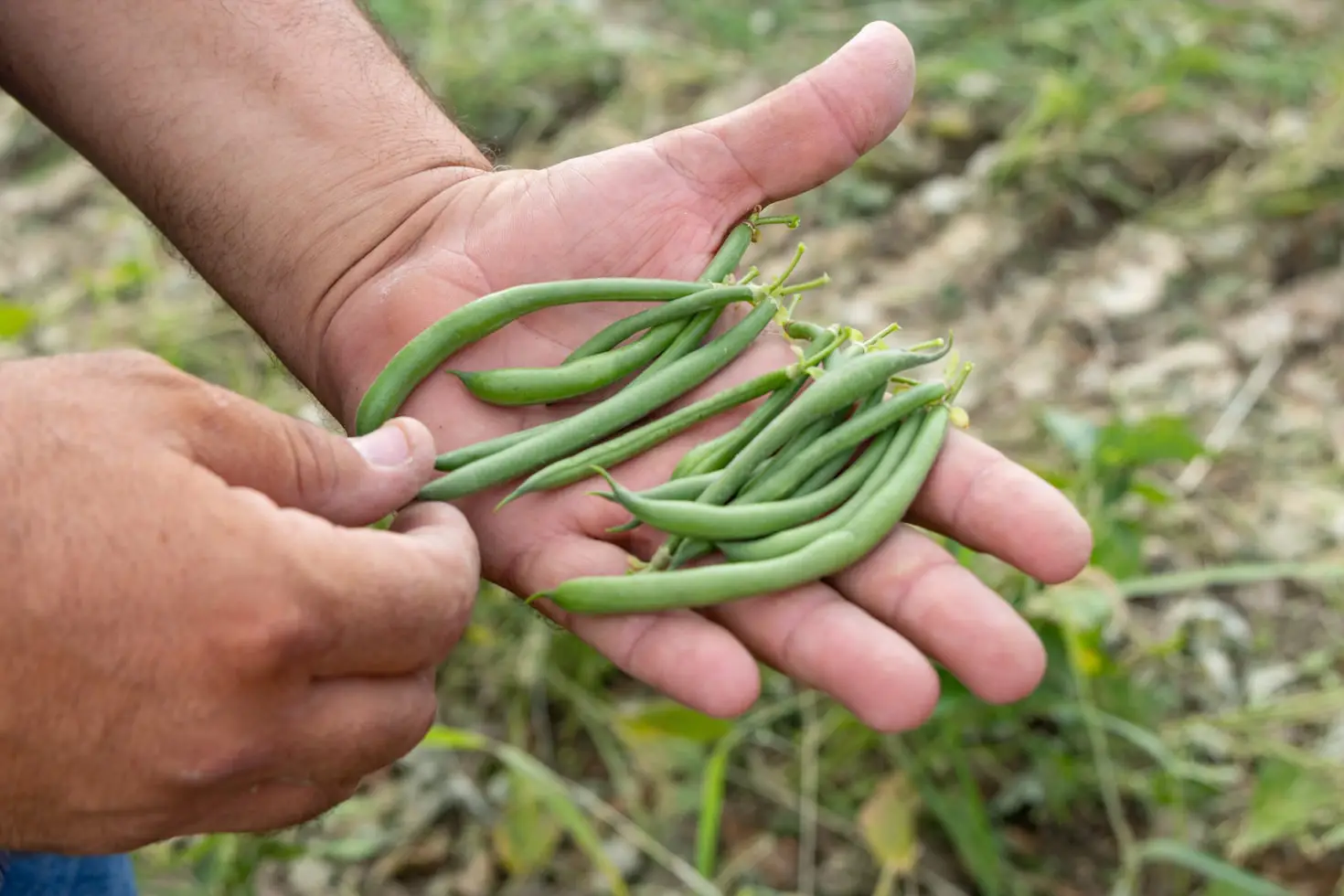

Bush beans are a classic garden favorite, beloved for their crisp texture, quick growth, and nutrient-rich pods. They are easy to grow, low-maintenance, and highly productive, making them an ideal candidate for square foot gardening (SFG)—a method designed to optimize small garden spaces while minimizing labor. Whether you’re a seasoned gardener or just starting out, square foot gardening allows you to grow abundant bush beans without the need for sprawling rows or acres of land.
What Is Square Foot Gardening?
Square foot gardening is a method popularized by Mel Bartholomew, which emphasizes intensive planting in a grid-based layout. A raised bed—commonly 4 feet by 4 feet—is divided into 16 one-foot squares, and each square is assigned a crop. This approach encourages efficient use of space, nutrient-rich soil, and consistent watering, while reducing the labor involved in weeding, tilling, and spacing crops.
Bush beans are particularly suited to this method because they are compact, fast-growing, and thrive in nutrient-rich soil with steady moisture.
Why Bush Beans Work Well in Square Foot Gardening
Bush beans are ideal for square foot gardening for several reasons:
- Compact Growth: Unlike pole beans, bush beans grow in a tidy, bushy form that fits perfectly into individual SFG squares.
- Rapid Harvest: Most bush bean varieties mature in 50–60 days, making them perfect for successive planting and continuous harvests.
- Nitrogen Fixation: Bush beans enrich the soil by fixing nitrogen, which benefits subsequent crops planted in the same bed.
- Ease of Maintenance: Close spacing reduces the need for weeding and allows for efficient watering and harvesting.
With these advantages, you can maximize both your yield and your enjoyment of fresh, homegrown beans.
Planning Your Bush Bean Squares
1. Bed Preparation
Start with a raised bed that is at least 6–12 inches deep. The standard 4×4-foot bed is divided into sixteen 1×1-foot squares. This layout allows you to reach all plants without stepping on the soil.
Fill your bed with Mel’s Mix, which consists of:
- 1/3 compost – provides rich nutrients
- 1/3 peat moss or coconut coir – retains moisture
- 1/3 coarse vermiculite – ensures aeration and drainage
Bush beans are relatively light feeders, so the nutrient-rich mix will support vigorous growth without additional heavy fertilization.
2. Spacing
Bush beans can be planted densely in square foot gardening. The recommended spacing is:
- 9 plants per square foot for bush beans
This spacing works because bush beans are naturally compact and don’t require staking. Ensure that the soil is moist when sowing seeds, as close spacing can make seedlings sensitive to drying out.
Planting Bush Beans
From Seeds
Bush beans are best grown from seed, as they do not transplant well. Sow seeds 1 inch deep directly into the SFG squares once the soil temperature is consistently above 60°F (16°C).
- Place 9 seeds per square, evenly spaced in a 3×3 pattern.
- Water gently but thoroughly after planting.
- Germination usually occurs within 7–10 days.
Soil and Fertility
Bush beans prefer light, well-draining soil. Overly rich soil can cause excessive leaf growth at the expense of pod production. In SFG, the balanced Mel’s Mix provides the ideal conditions. Additional fertilization is generally unnecessary unless your compost is very low in nitrogen.
Care and Maintenance
Watering
Bush beans require consistent moisture, particularly during flowering and pod development. Water deeply 1–2 times per week, depending on rainfall and climate. Avoid overhead watering to reduce the risk of fungal diseases; drip irrigation or a soaker hose works best.
Sunlight
Beans need full sun—at least 6–8 hours per day—to produce abundant pods. Position your square foot garden where plants will receive maximum sunlight.
Mulching
Mulch around the base of plants with straw, shredded leaves, or grass clippings. Mulching conserves moisture, suppresses weeds, and stabilizes soil temperatures.
Pest Management
Bush beans in SFG are relatively pest-resistant, but common issues include:
- Aphids: Sap-sucking insects that cluster on new growth. Spray gently with water or neem oil.
- Bean beetles: Yellow or brown beetles that chew holes in leaves. Handpick adults and larvae when spotted.
- Fungal diseases: Powdery mildew can appear in humid conditions. Ensure proper spacing, good air circulation, and avoid wetting foliage.
Companion Planting
Companion planting enhances growth, deters pests, and maximizes SFG efficiency. Ideal companions for bush beans include:
- Carrots and cucumbers: Utilize space efficiently without competing for nutrients.
- Corn: Provides shade and acts as a natural support in partial intercropping setups.
- Radishes and lettuce: Quick-growing crops that fit between bean plants in early stages.
- Marigolds and nasturtiums: Deter pests while attracting beneficial insects.
Avoid planting beans near onions, garlic, or fennel, which can inhibit their growth.
Harvesting Bush Beans
Bush beans grow quickly and should be harvested frequently to encourage continued pod production.
- Timing: Pick beans when they are firm, bright green, and about 4–6 inches long, before seeds bulge.
- Method: Snap or cut pods off the plant carefully to avoid damaging the stems.
- Frequency: Harvest every 2–3 days during peak production. Frequent harvesting encourages more flowers and pods.
After the first harvest, bush beans may produce a second flush, although yields taper off compared to pole beans. Consider succession planting every 2–3 weeks for a continuous supply.
Maximizing Yield in Square Foot Gardening
Square foot gardening allows gardeners to intensively plant and rotate crops to maximize production. For bush beans:
- Succession Planting: Plant new seeds every 2–3 weeks during the growing season. This ensures a continuous harvest instead of one large crop.
- Intercropping: Plant fast-growing vegetables like radishes or lettuce between the beans. By the time the beans mature, the interplanted crops will already be harvested, making efficient use of space.
- Crop Rotation: After harvesting beans, rotate crops in the same square to avoid soil-borne diseases and maintain soil fertility. Beans enrich the soil with nitrogen, so leafy greens or root vegetables benefit from their previous location.
Storing and Using Homegrown Bush Beans
Freshly picked bush beans are sweet, tender, and nutrient-rich. Here’s how to make the most of your harvest:
- Refrigeration: Store unwashed beans in a perforated plastic bag in the crisper drawer. They remain fresh for up to a week.
- Freezing: Blanch beans in boiling water for 2–3 minutes, cool in ice water, and freeze in airtight containers. Frozen beans retain flavor and nutrients for several months.
- Cooking: Bush beans are versatile—steam, sauté, stir-fry, or use raw in salads. Harvesting them young ensures the best taste and texture.
Common Challenges and Solutions
While bush beans are generally easy to grow, gardeners may encounter some common challenges:
- Poor germination: Ensure soil is warm enough before planting. Cold, wet soil slows germination and may rot seeds.
- Yellowing leaves: This could indicate nutrient deficiencies or overwatering. Side-dress with compost or reduce watering.
- Leggy plants: Too little sun or overcrowding can cause bush beans to stretch. Maintain proper sunlight and spacing.
Square foot gardening makes growing bush beans simple, efficient, and productive. By planting densely in nutrient-rich soil, you can enjoy high yields in a small space, perfect for urban or backyard gardens. Bush beans are fast-growing, low-maintenance, and forgiving, making them a favorite for gardeners of all skill levels.
The key to success lies in proper soil preparation, consistent watering, timely harvesting, and strategic companion planting. With careful attention, your square foot garden can supply fresh, tender bush beans all season long, allowing you to enjoy homegrown vegetables even in limited space.
Whether you’re feeding a family, sharing with neighbors, or simply enjoying the satisfaction of growing your own food, bush beans are a crop that rewards effort with flavor, nutrition, and abundance.


