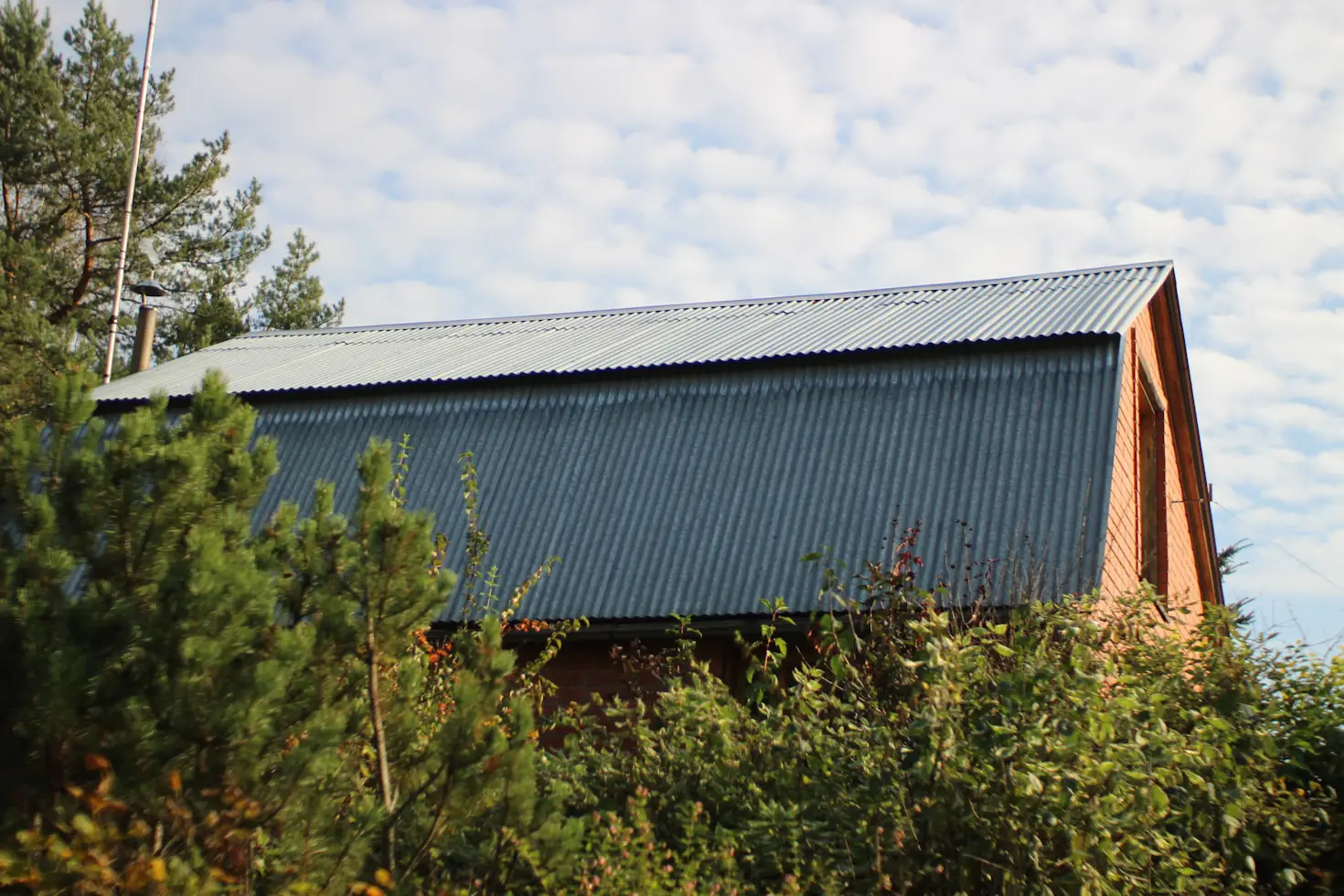

A garden shed is more than just a place to store tools—it’s an essential outdoor structure that helps keep your yard organized, protects valuable equipment, and enhances the overall appearance of your property. Among the many shed designs available, the sloped roof garden shed stands out as one of the most practical and popular options. Combining functionality, durability, and visual appeal, sloped roof sheds are ideal for homeowners seeking an efficient and long-lasting storage solution.
This article explores what a sloped roof garden shed is, its advantages, design options, materials, maintenance tips, and how to choose the right one for your outdoor space.
What Is a Sloped Roof Garden Shed?
A sloped roof garden shed, often referred to as a single-slope or lean-to shed, features a roof that angles in one direction rather than forming a peak. The slope allows rainwater, snow, and debris to run off efficiently, reducing the risk of leaks and structural damage.
Sloped roof sheds can be freestanding or attached to an existing structure such as a garage or house. Their simple design makes them versatile, cost-effective, and easy to customize for a wide range of garden and backyard uses.
Benefits of a Sloped Roof Garden Shed
Efficient Water Drainage
One of the main advantages of a sloped roof is its ability to shed water effectively. Rainwater flows naturally toward the lower edge of the roof, minimizing water pooling and reducing the likelihood of leaks or rot. This is especially beneficial in regions with frequent rainfall.
Simple and Cost-Effective Design
Sloped roof sheds typically require fewer materials than complex roof designs. The straightforward construction process can result in lower building costs and faster installation, whether you’re building it yourself or hiring a professional.
Modern and Minimalist Appearance
The clean lines and sleek profile of a sloped roof shed complement modern landscaping and contemporary home designs. Many homeowners appreciate the minimalist aesthetic that blends well with outdoor environments.
Better Wind Resistance
Compared to high-pitched or gable roofs, sloped roofs present less surface area to strong winds. This aerodynamic advantage helps improve stability during storms and reduces the risk of roof damage.
Increased Interior Wall Height
Because one wall is higher than the other, sloped roof sheds often offer increased interior height along the taller wall. This extra vertical space is ideal for installing shelves, hooks, or tall storage units.
Popular Uses for Sloped Roof Garden Sheds
Sloped roof sheds are incredibly versatile and can serve multiple purposes beyond basic storage.
Tool and Equipment Storage
Garden tools, lawn mowers, trimmers, and fertilizers can be safely stored and organized in a sloped roof shed, keeping them protected from weather exposure.
Potting Shed or Gardening Workspace
The higher wall of a sloped roof shed allows for windows or skylights, making it a great option for a potting shed or gardening workspace with natural light.
Outdoor Workshop
DIY enthusiasts often use sloped roof sheds as small workshops. The simple roof design allows for proper ventilation, lighting, and easy installation of electrical components.
Firewood Storage
The angled roof helps keep firewood dry by efficiently shedding rain and preventing moisture buildup.
Materials for Sloped Roof Garden Sheds
Choosing the right materials is crucial for durability, appearance, and maintenance.
Wood Sheds
Wood is a classic and attractive choice that blends naturally with garden settings. Common wood options include cedar, pine, and pressure-treated lumber. While wood sheds require regular maintenance, they offer excellent customization and charm.
Metal Sheds
Metal sheds are durable, fire-resistant, and low-maintenance. They are well-suited for modern designs and can withstand harsh weather conditions. However, proper insulation and ventilation are important to prevent condensation.
Vinyl or Resin Sheds
Vinyl and resin sheds are popular for their low maintenance and resistance to rot, insects, and moisture. They are lightweight, easy to assemble, and available in a variety of colors and styles.
Roofing Materials for Sloped Roof Sheds
The roofing material plays a key role in protecting your shed and enhancing its lifespan.
-
Asphalt Shingles: Affordable, easy to install, and widely available
-
Metal Roofing Panels: Long-lasting, lightweight, and excellent for water runoff
-
Corrugated Plastic Panels: Allow natural light to enter while protecting from rain
-
Rubber Roofing Membranes: Ideal for low-slope roofs requiring extra waterproofing
The slope angle should be sufficient to support the chosen roofing material and ensure proper drainage.
Design Considerations
When planning a sloped roof garden shed, several design factors should be considered.
Roof Pitch
The pitch of the roof affects drainage and overall appearance. A steeper slope improves water runoff, while a gentler slope creates a sleek, modern look.
Door and Window Placement
Placing doors on the taller wall improves accessibility and headroom. Windows or skylights can be added to maximize natural light and ventilation.
Foundation Options
A stable foundation is essential for longevity. Common options include concrete slabs, gravel bases, or pressure-treated wood skids.
Size and Layout
Choose a shed size that accommodates your storage needs without overwhelming your garden. Consider future storage requirements to avoid outgrowing the space.
Maintenance Tips for Long-Lasting Performance
Regular maintenance helps keep your sloped roof garden shed in excellent condition.
-
Inspect the roof annually for damage or loose materials
-
Clean debris from the roof and gutters
-
Repaint or reseal wooden sheds as needed
-
Check for signs of moisture or pest intrusion
-
Ensure proper ventilation to prevent mold and mildew
Proactive maintenance extends the lifespan of your shed and preserves its appearance.
DIY vs. Professional Installation
Many homeowners choose to build sloped roof sheds themselves due to the simple design. DIY construction can be rewarding and cost-effective if you have basic carpentry skills.
Professional installation, on the other hand, ensures structural integrity, proper waterproofing, and compliance with local building codes. It is often the best choice for larger sheds or more complex designs.
Enhancing Your Garden with a Sloped Roof Shed
A well-designed sloped roof garden shed can do more than provide storage—it can become a visual focal point in your yard. Adding features such as exterior lighting, flower boxes, or matching paint colors helps integrate the shed seamlessly into your landscape.
A sloped roof garden shed is a smart, functional, and stylish addition to any outdoor space. Its efficient drainage, simple construction, and modern appearance make it an excellent choice for homeowners seeking reliable storage or workspace solutions. With the right materials, thoughtful design, and regular maintenance, a sloped roof garden shed can provide years of dependable use while enhancing the beauty and organization of your garden.
Whether you’re building one from scratch or purchasing a pre-made model, investing in a sloped roof garden shed is a practical step toward a more efficient and enjoyable outdoor environment.


