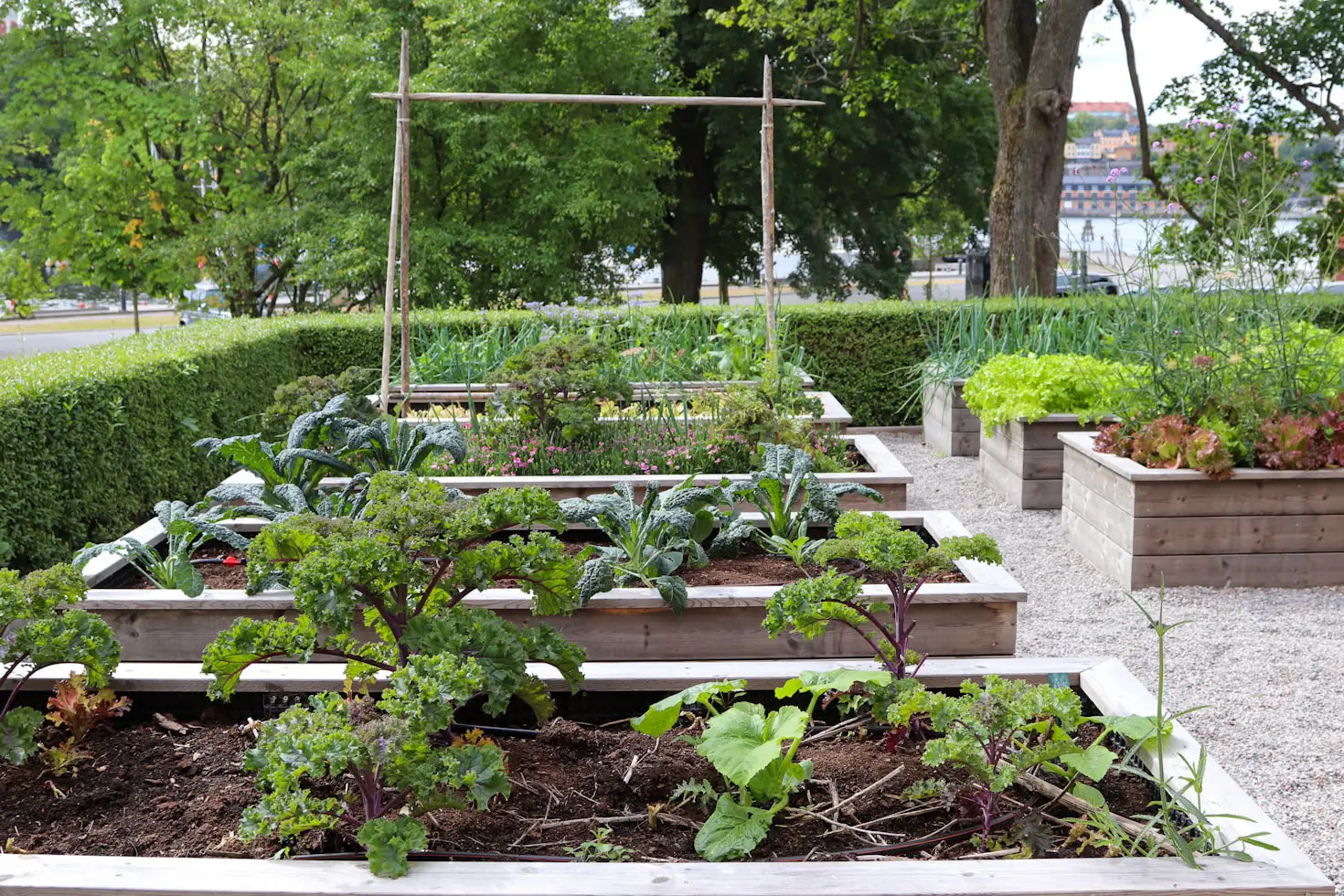

Raised bed square gardening is a method that combines the structure of raised beds with the precision of a square-foot gardening layout. By dividing a garden bed into evenly spaced squares, gardeners can organize crops more efficiently, reduce waste, and increase yield—even in small spaces. This style is ideal for beginners and experienced gardeners alike, offering a tidy, low-maintenance way to grow vegetables, herbs, and flowers. Whether you’re working with a backyard plot or a small urban patio, a bed square system ensures you use every inch wisely.
What Is Raised Bed Square Gardening and Why Is It So Popular?
Raised bed square gardening is a combination of two powerful techniques: raised bed gardening and square-foot gardening. The raised bed keeps the soil loose, well-drained, and nutrient-rich, while the square layout allows for maximum crop rotation and planting density. This approach has become popular because it’s space-efficient, low-maintenance, and suitable for all climates and skill levels. Each square is typically 1×1 foot, providing a manageable unit for planting and tending. The method promotes better organization, easier weeding, and less water use compared to traditional gardening.
Planning the Perfect Layout for a Raised Bed Square Garden
Planning a raised bed square garden starts with choosing a location that receives at least 6–8 hours of sunlight daily. From there, map out the number of squares based on your space and needs. Standard raised beds are often 4 feet by 4 feet or 4 feet by 8 feet, divided into 1-foot square sections using string, wood slats, or wire. Consider grouping plants with similar water and sunlight needs together. Layout planning also allows for better crop rotation and companion planting, maximizing the productivity of your raised bed.
Choosing the Best Materials for Your Raised Bed Squares
When constructing raised bed squares, choosing the right materials ensures durability and safety. Common options include untreated cedar, redwood, or recycled composite lumber. These materials are rot-resistant and safe for edible plants. Avoid pressure-treated wood, as it may contain chemicals that can leach into the soil. For marking the square grid, use nylon string, wooden dividers, or thin metal rods. If you’re on a budget, bricks, concrete blocks, or repurposed materials can also work. Just ensure the materials are stable, non-toxic, and weather-resistant.
How to Build a Durable Raised Bed Square for Any Space
To build a durable raised bed square, begin by selecting a level area and clearing it of grass or debris. Assemble the frame using chosen materials, typically 6–12 inches high. Use galvanized screws or brackets to secure corners. Line the bottom with cardboard or landscape fabric to suppress weeds. Fill the bed with a high-quality soil mix and divide it into 1-foot squares using string or wood strips. Whether you’re building in a backyard or on a balcony, this simple setup adapts well to different spaces and gardening goals.
Soil Mix Secrets for Raised Bed Square Gardening Success
The right soil mix is crucial for raised bed square gardening. A standard blend includes one-third compost, one-third peat moss or coconut coir, and one-third vermiculite or perlite. This mixture retains moisture, promotes drainage, and supplies essential nutrients. Use compost from various sources—manure, food scraps, leaf mold—for a richer nutrient base. Refresh the top few inches of soil each season with new compost. Because the raised bed soil doesn’t compact easily, roots grow freely, resulting in healthier and more productive plants within each square.
Best Vegetables and Herbs to Grow in Raised Bed Squares
Many vegetables and herbs thrive in raised bed square gardens. Leafy greens like lettuce and spinach can be planted four to six per square, while larger crops like tomatoes or peppers take one square each. Carrots, radishes, and beets do well in deeper soil and can be planted densely. Popular herbs—such as basil, chives, and parsley—also grow efficiently in this layout. The raised bed structure supports excellent drainage and root development, while the grid keeps crops organized and easy to manage through the season.
Managing Water and Drainage in Raised Bed Square Gardens
Proper water management is essential in a raised bed square garden. Since raised beds dry out faster than ground-level gardens, consistent watering is key. Drip irrigation systems or soaker hoses work well, especially when paired with mulch to retain moisture. Ensure your bed has good drainage—raised beds naturally offer better flow, but avoid overwatering. Monitor the moisture level by feeling the soil 2 inches below the surface. Adjust watering depending on plant needs, season, and weather. Good drainage helps prevent root rot and supports healthy plant growth in every square.
Pest Control Tips for Raised Bed Square Gardens
Pest management in raised bed square gardens can be easier due to their organized layout. Use companion planting to deter pests—for example, planting marigolds to repel nematodes or basil to deter flies. Netting, row covers, and physical barriers help protect your plants. Since the bed square layout makes it easy to spot problems early, check regularly for signs of pests like aphids or caterpillars. Introduce beneficial insects like ladybugs or use natural sprays like neem oil if necessary. Keeping the raised bed clean and rotated also reduces pest buildup.
Seasonal Planting Guide for Raised Bed Squares
One of the great advantages of raised bed square gardening is the ability to grow crops year-round. In spring, start with cool-season crops like peas, lettuce, and radishes. Summer is ideal for tomatoes, cucumbers, and peppers. Fall can bring back spinach, kale, and carrots. Use a planting guide to decide how many plants per square—for instance, 1 tomato or 16 carrots. Cover crops or mulch in winter help protect soil and prepare it for the next season. The structured raised bed layout makes succession planting and rotation easier.
Common Mistakes to Avoid in Raised Bed Square Gardening
While raised bed square gardening is beginner-friendly, avoid common pitfalls. Overcrowding plants in each square reduces airflow and increases disease risk. Using poor-quality or compacted soil limits root growth. Forgetting to add compost each season can lead to nutrient deficiencies. Not rotating crops may increase pest issues. Improper watering—either too much or too little—can stress plants. Finally, failing to secure the raised bed frame properly can lead to structural collapse. With attention to planning and maintenance, these mistakes are easily avoided, leading to a productive and rewarding gardening experience.


