


Growing pot herbs is one of the easiest ways to enjoy fresh flavor right from your kitchen. Whether you’re a seasoned home cook or just starting, herbs grown in a simple pot can transform your meals and bring greenery into your space. With minimal effort, you can grow basil, mint, parsley, and more right on your windowsill or balcony. The key is to choose the right herbs, give them proper care, and display them creatively. In this guide, you’ll learn everything you need to start and maintain a thriving indoor herb garden.
Best Pot Herbs to Grow for Beginners
If you’re just starting, certain herbs are especially easy to grow in pots. Basil, chives, mint, parsley, and thyme are ideal for beginners due to their low maintenance needs and fast growth. These pot herbs thrive with regular watering and sunlight, making them perfect for windowsills and patios. They also recover quickly from harvesting, allowing you to enjoy fresh herbs regularly. Choose small or medium-sized pots with good drainage, and you’ll be surprised how much flavor these humble herbs can add to your daily dishes, all from a simple potted setup.
How to Choose the Right Pots for Different Herbs
Choosing the right pot is crucial for healthy herb growth. For shallow-rooted herbs like chives and basil, a small or medium pot with a depth of 6–8 inches works well. Deep-rooted herbs like rosemary and sage need larger pots at least 10–12 inches deep. Always select pots with drainage holes to prevent water buildup, which can cause root rot. Terracotta pots are great for breathability, while ceramic or plastic options hold moisture better. Matching the pot size and material to the herb’s needs ensures healthy roots, steady growth, and abundant harvests.
Sunlight, Water & Soil: Essentials for Thriving Pot Herbs
To grow strong and flavorful pot herbs, you must balance three essentials: sunlight, water, and soil. Most herbs require 6–8 hours of sunlight daily, so place them near a sunny window or under grow lights. Use well-draining potting soil mixed with compost or perlite for nutrients and airflow. Water when the top inch of soil feels dry. Overwatering is a common issue with indoor pots. Consistent care ensures your herbs don’t just survive but thrive, giving you a steady supply of freshness year-round right from your favorite pots.
Compact Herb Varieties Perfect for Small Pots
Short on space? No problem. Many herbs grow exceptionally well in small pots and limited areas. Great compact options include thyme, oregano, chives, cilantro, and basil. These pot herbs adapt easily to container life and don’t require deep soil or wide root space. Pair a few of them together in a rectangular pot for a mini herb garden on your windowsill. With proper pruning and occasional fertilizing, even the smallest pot can yield a rich bounty of fresh herbs that brighten your cooking and your indoor décor.

Creative Ways to Display Pot Herbs in Your Kitchen
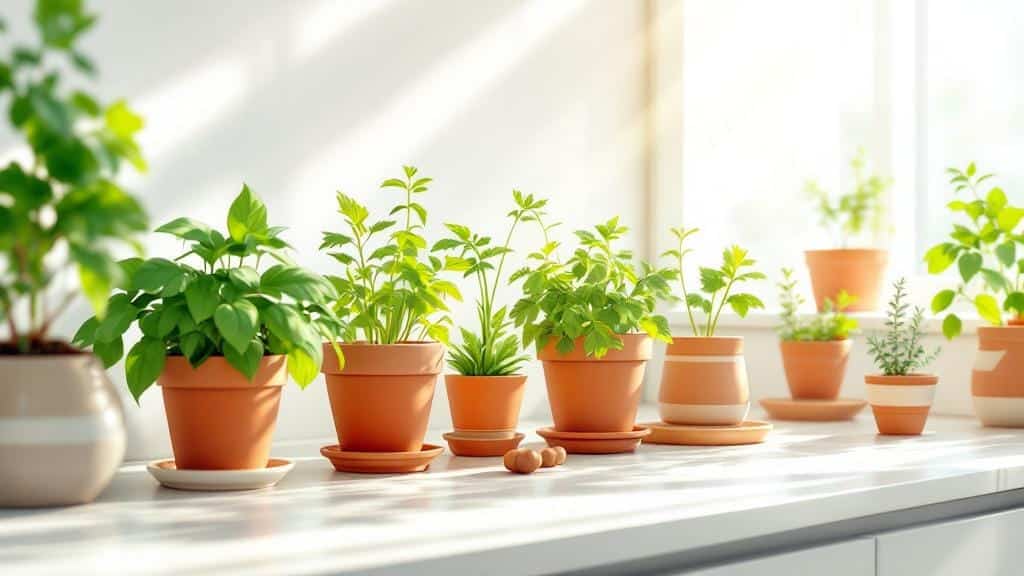
Don’t just grow herbs, show them off! Display your pot herbs creatively to add charm to your kitchen. Use a tiered stand for a vertical herb garden, hang small pots on a pegboard, or place labeled ceramic pots on your windowsill. You can also reuse old mugs, jars, or tin cans as quirky planters. Matching the pot style to your kitchen theme, modern, rustic, or minimalist, makes your herb garden feel intentional and decorative. These little green touches not only look appealing but also keep your favorite herbs within easy reach while cooking.
Displaying your plants is just as important as growing them. For more inspiration on aesthetics, check out our guide on indoor herb garden pots that bring fresh flavor and style to any kitchen to match your decor perfectly
Common Mistakes to Avoid When Growing Pot Herbs
Even the easiest pot herbs can suffer if not cared for properly. One of the most common mistakes is overwatering. Always check that your pot has drainage holes. Another issue is poor lighting; most herbs need full sun, so placing them in a low-light corner won’t work. Avoid using garden soil, which can compact in pots and block roots. Also, don’t crowd too many herbs in a single pot, as they compete for nutrients. With a little attention to these details, your herbs will grow healthier and last longer.
Indoor vs. Outdoor: Where Should You Keep Your Pot Herbs?
Whether to keep your pot herbs indoors or outdoors depends on your climate and space. Indoors, herbs enjoy stable temperatures and are accessible for everyday use, perfect for small kitchens or apartments. Outdoors, herbs get more natural light and airflow, which often leads to stronger growth. If placing them outside, ensure your pots are weather-resistant and positioned where they get morning sun and afternoon shade. Indoors, a sunny windowsill is ideal. You can also move pots between inside and outside, depending on the season, giving your herbs the best of both environments.
How to Harvest Pot Herbs Without Killing the Plant
Harvesting pot herbs correctly ensures they keep growing and don’t get stressed. Always use clean scissors or snip with your fingers just above a leaf pair. This encourages branching. Don’t remove more than one-third of the plant at once. For continuous harvests, pinch the tops regularly to prevent flowering, especially for basil and mint. With leafy herbs, the more you harvest, the more they grow—as long as you do it gently. Proper harvesting not only gives you fresh flavor but also promotes bushier, healthier herbs in every pot.
DIY Herb Potting: Make Your Own Mini Garden
Creating your own pot herbs garden is fun and budget-friendly. Start by collecting pots of various sizes, mason jars, tin cans, ceramic cups, or repurposed containers, all work well. Make sure to add drainage (holes or gravel), use fresh potting soil, and pick easy-growing herbs like parsley, basil, and thyme. Label each pot for easy identification and place them near a sunny window. Add decorative elements like chalkboard tags or painted pots to personalize your setup. This hands-on approach makes your herb garden uniquely yours—practical and charming.
Companion Planting Tips for Potted Herbs
Companion planting works even in pots, especially when growing multiple herbs in one container. Group herbs with similar light and water needs, like basil with parsley or thyme with oregano. Avoid mixing aggressive growers like mint with others; instead, give mint its own pot to prevent root takeover. Companion planting not only saves space but can also boost flavor and deter pests. For example, basil near tomatoes improves both taste and growth. Smart pot pairings can turn your herb garden into a small but mighty powerhouse of productivity and flavor.