


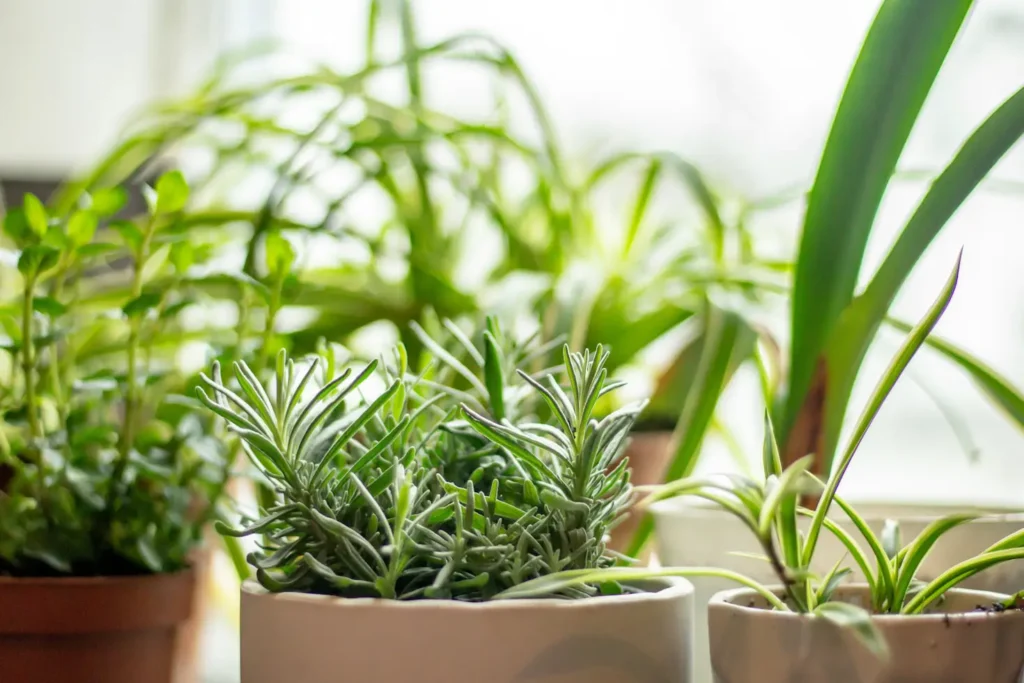
Living in an apartment or a home without a yard doesn’t mean you have to give up on fresh, homegrown produce. With the right garden pots for growing vegetables, you can easily set up a productive mini garden on your balcony, patio, or even a sunny windowsill. From leafy greens to juicy tomatoes, container gardening makes growing vegetables accessible for everyone. In this guide, we’ll walk you through the best garden pots, how to use them, and insider tips to help you turn even the smallest space into a thriving veggie patch.
Why Garden Pots Are a Game-Changer for Urban Vegetable Gardening
Urban living often means limited outdoor space, but garden pots allow you to grow your own food regardless of your environment. With the rise of apartment gardening, pots for growing vegetables are more popular than ever. They’re portable, space-saving, and help manage soil quality better than open ground. Additionally, growing vegetables in pots reduces the risk of pests and weeds. Whether you’re a beginner or a seasoned gardener, using garden pots offers the flexibility to create a lush vegetable garden tailored to your space and lifestyle.
How to Pick the Perfect Pot for Your Favorite Vegetables
Choosing the right pot is essential when it comes to growing vegetables successfully. Different vegetables require different pot sizes, depths, and materials. Leafy greens like spinach or lettuce can grow well in shallow garden pots, while root vegetables like carrots need deeper containers. Ensure your pots for growing vegetables have good drainage holes and are made from durable, weather-resistant materials. Lightweight plastic pots are ideal for balconies, while ceramic or clay pots suit stable outdoor areas. Matching the pot to the plant helps ensure strong root development and healthy harvests.

Top 5 Vegetables That Absolutely Thrive in Garden Pots
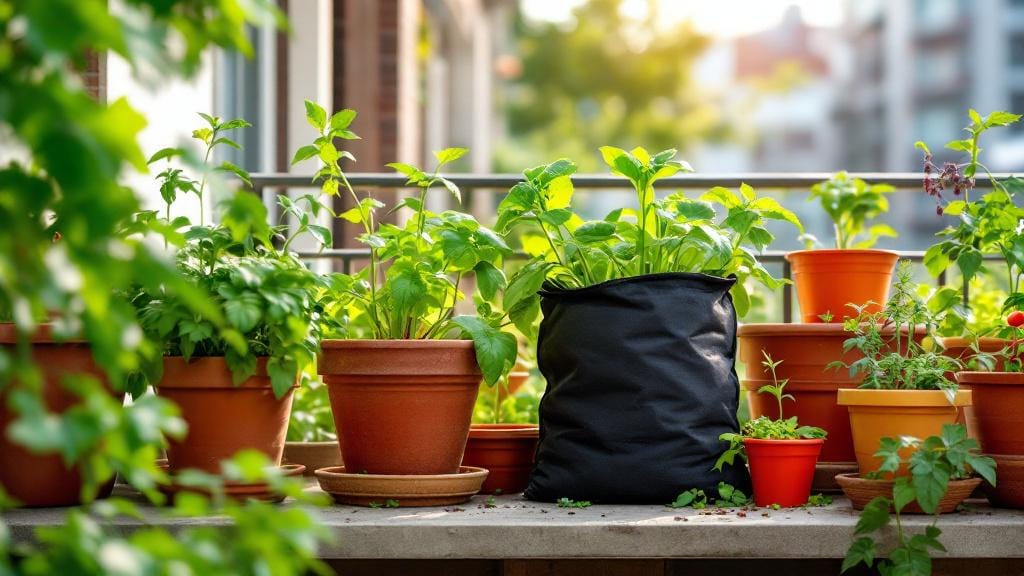
Not all vegetables perform equally well in containers, but some are perfect candidates for garden pots. Tomatoes are container garden favorites, needing just a large pot and a support stake. Peppers, whether sweet or hot, adapt well to pots for growing vegetables. Leafy greens like lettuce and spinach grow quickly and don’t need much space. Radishes mature fast and thrive in shallow containers. Lastly, herbs like basil and mint grow beautifully in smaller garden pots, offering fresh flavor and greenery year-round. These veggies are ideal for beginners and provide fast, rewarding results.
The Ultimate Showdown: Clay vs Plastic vs Fabric Pots
When selecting garden pots for growing vegetables, the material matters more than most people think. Clay pots offer breathability and a traditional look, but are heavy and can dry out quickly. Plastic pots are lightweight, affordable, and retain moisture well, making them great for beginners. Fabric pots, or grow bags, are breathable, promote healthy root development, and prevent overwatering. However, they may dry out faster and need more frequent watering. Each type has pros and cons, but for urban gardeners, plastic and fabric pots for growing vegetables offer convenience and performance.
One Pot, One Plant: The Best Way to Maximize Your Harvest
To get the most out of your garden pots, it’s smart to plant one type of vegetable per pot. This strategy prevents overcrowding, allows proper root growth, and makes pest control easier. For example, one tomato plant per large pot ensures better airflow and fruit production. Similarly, growing vegetables like peppers or eggplants in individual pots makes watering and fertilizing more precise. While it might be tempting to mix different plants, single-plant pots for growing vegetables usually deliver a healthier harvest and make maintenance simpler for small-space gardening.
Common Mistakes to Avoid When Growing Veggies in Pots
Growing vegetables in pots may seem simple, but beginners often make avoidable mistakes. Overwatering is a major issue; ensure your garden pots have proper drainage. Using regular soil instead of potting mix can also stunt growth due to poor aeration. Another mistake is choosing the wrong size pot; vegetables need enough room to spread their roots. Placing pots in low-light areas is another misstep. Lastly, neglecting consistent feeding with liquid fertilizer can lead to weak plants. With the right pots for growing vegetables and a little care, your garden will thrive.
How to Arrange Your Pots for Maximum Sunlight and Growth
The placement of your garden pots plays a big role in the success of your harvest. Most vegetables require 6–8 hours of direct sunlight daily. Place pots for growing vegetables near windows, balconies, or rooftops with maximum light exposure. Use tiered plant stands or wall shelves to make the most of vertical space. Keep taller plants at the back and shorter ones in front to ensure equal light distribution. Rotating your pots weekly can also help all sides of the plant receive sun, promoting even growth and healthier vegetables.
The Best Soil Mix for Growing Vegetables in Containers
Unlike traditional garden beds, garden pots need specially prepared soil mixes for optimum vegetable growth. Use a well-draining potting mix enriched with organic matter like compost or worm castings. Avoid using plain garden soil, as it’s often too dense for pots for growing vegetables and can cause drainage issues. Add perlite or coconut coir to improve aeration. Some gardeners also mix in slow-release fertilizer to support steady growth. The right soil mix ensures healthy roots, proper water retention, and nutrient-rich conditions crucial when you’re growing vegetables in containers. To get the perfect balance at home, check out our guide on the best soil mix for thriving container vegetables where we reveal the secret recipe for maximum growth.
Budget-Friendly Garden Pots That Actually Work
You don’t have to break the bank to start growing vegetables in containers. Affordable options like plastic nursery pots, fabric grow bags, and even recycled items like buckets or crates can work well as garden pots. Just ensure they have drainage holes and are safe for growing edibles. Dollar stores, garden centers during end-of-season sales, and online marketplaces often have deals on pots for growing vegetables. Upcycling items from around the house not only saves money but also supports eco-friendly gardening. A productive vegetable garden is possible on any budget.
Secret Tips from Pro Gardeners for Growing Veggies in Pots
Experienced gardeners know a few gardening tricks and hacks that can make your potted veggie garden thrive. Always water in the morning to reduce evaporation and prevent disease. Use mulch (like straw or shredded leaves) to keep soil moist and cool. Fertilize every 2–3 weeks with a balanced liquid feed. Rotate crops seasonally to avoid nutrient depletion and pest buildup. Finally, label your garden pots to track planting dates and varieties. These small steps can make a big difference when growing vegetables in pots, turning a simple container into a high-yield harvest zone.