


Choosing the right soil is one of the most important decisions a gardener makes. Soil quality directly influences plant health, water retention, root growth, nutrient availability, and overall success in growing crops, flowers, or vegetables. Among the most popular premium potting soils on the market is FoxFarm, especially blends like Ocean Forest and Happy Frog. But a question many gardeners ask is the following:
Is FoxFarm soil organic?
To answer this thoroughly, we need to understand what “organic” means in gardening, examine FoxFarm’s product ingredients and certifications, and look at how these soils compare to certified organic soils on the market.
What Does “Organic” Soil Mean?
In gardening and agriculture, the term “organic” generally refers to soil and growing media that:
- Are made from natural, biological sources (compost, manure, plant matter, and naturally derived minerals).
- Contain no synthetic fertilizers, pesticides, or herbicides.
- Meet standards set by an organic certification body, such as:
- USDA Organic (United States)
- OMRI Listed (Organic Materials Review Institute)
- Equivalent third‑party certifications in other regions.
Organic certification requires strict documentation about sourcing, processing, and ingredient composition. It ensures what’s listed on the label meets defined organic standards. Made Organics
FoxFarm Soil: What Is It Made Of?
FoxFarm is well known for its potting soils and amendments tailored to gardeners seeking rich, fertile soils for vegetables, flowers, houseplants, and more. Popular potting mixes include:
- Ocean Forest® Potting Soil
A blend of aged forest products, sphagnum peat moss, earthworm castings, bat guano, fish emulsion, and crab meal. - Happy Frog® Potting Soil
Similar to Ocean Forest but with added beneficial microbes and different organic amendments to support root development. Made Organics
Common ingredients across FoxFarm soils include the following:
- Peat moss: retains moisture and improves structure
- Composted forest humus: rich in organic matter
- Worm castings: nutrient‑rich, microbial‑friendly
- Bat guano and fish/crab meal: natural fertilizer sources
- Perlite/vermiculite: for aeration and drainage, Gardener
Based on these ingredients alone, many of the materials are organic in origin, meaning they come from plant and animal sources that are naturally derived. Made Organics
Is FoxFarm Soil Certified Organic?
Here’s the key distinction:
FoxFarm soils are generally not USDA organic-certified.
That means:
- The products do not carry the USDA Organic seal.
- They haven’t necessarily been inspected under the USDA’s strict certification process. Made Organics
Some FoxFarm products may carry an OMRI listing.
The Organic Materials Review Institute (OMRI) provides a list of products that can be used in organic gardening. An OMRI Listed status tells growers that the product:
- Meets organic standards for use in certified organic production
- Contains allowable natural and organic inputs
- Has been reviewed by a third party for compliance
This is different from full USDA Organic certification but still valuable for many gardeners. Environmental Research Institute
However, not all FoxFarm products are OMRI listed, and the brand does not explicitly claim every soil mix is certified organic. Environmental Research Institute
To verify if a specific blend is approved for organic use, you can search the OMRI listed products database to see their current compliance status.
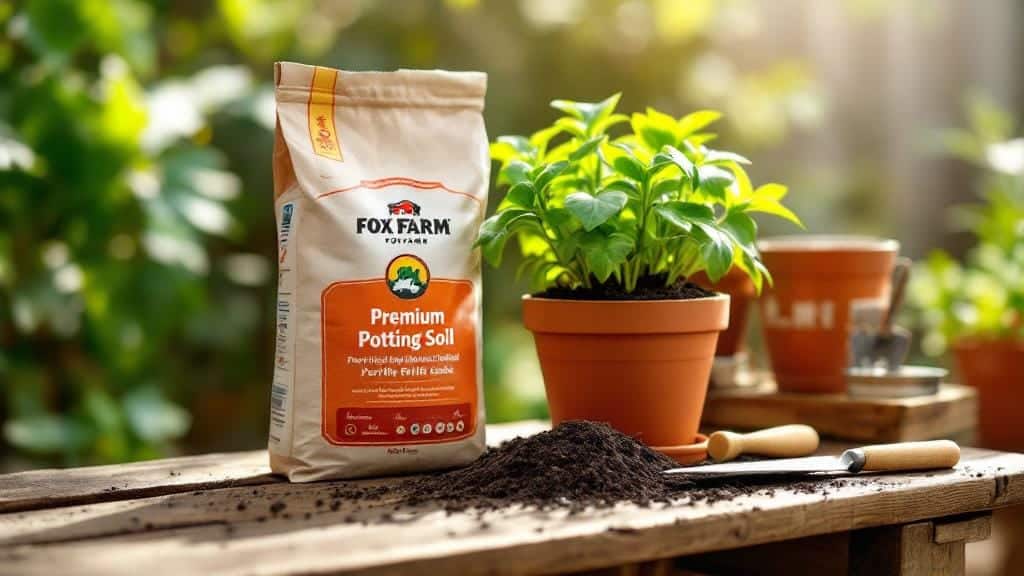

Why Isn’t FoxFarm Soil Fully Certified Organic?
There are a few reasons why a high-quality soil mix might not carry USDA Organic certification:
1. Certification Complexity and Cost
Becoming certified organic requires extensive documentation, auditing, and annual inspections. For smaller or specialty brands, this process can be laborious and costly even if the product itself is predominantly natural. Made Organics
2. Mixed-Ingredient Nature
Some soil components, such as perlite and vermiculite, are naturally derived minerals but are not themselves certified organic because organic certification focuses on biological inputs. Even though these minerals are inert, their inclusion can complicate certification. Gardener
3. Use of Natural But Not Certified Organic Inputs
While components like worm castings and bat guano are organic materials, if they are not produced under certified organic conditions, they may disqualify the final mix from certification even if the ingredients themselves are natural. Made Organics
So Is FoxFarm Soil Organic or Not?
Natural and Organic‑Derived Ingredients
Yes, FoxFarm soils use a variety of natural, biological ingredients that are organic in origin. These materials support healthy soil life, structure, and nutrient supply. Gardener
But: No Universal Organic Certification
Most FoxFarm soil products are not officially certified organic under USDA or equivalent standards. That means if your project requires certifiably organic inputs, for example, organic food production certified for sale, FoxFarm soil alone may not meet those regulatory requirements without additional verification. Made Organics
What Does This Mean for Home Gardeners?
If you are a casual gardener or hobby grower:
- FoxFarm soils are excellent choices for healthy plant growth.
- Their natural ingredients improve soil structure, aeration, and fertility.
- Many organic‑oriented gardeners happily use FoxFarm without strict certification concerns. Ultimately, choosing high-quality, natural inputs helps improve our local environment, garden by garden, creating a healthier ecosystem for everyone. If you are pursuing official organic certification for produce, however, you’ll want to verify soil and amendments
If you are pursuing official organic certification for produce:
- You’ll want to verify soil and amendments that bear proper organic certification (USDA Organic or OMRI Listed with comprehensive approval).
- You may need to combine FoxFarm with other certified organic inputs or choose alternative certified soils. Environmental Research Institute
If you are looking for professional resources or connecting with certified growers in the US, you can explore our organic farms and agribusiness directory of KY for more localized information.
Benefits of Using FoxFarm Soil in Organic‑Style Gardening
Even though not universally certified, there are compelling reasons gardeners choose FoxFarm:
1. Rich, Balanced Nutrients
FoxFarm blends combine organic matter with natural nutrient sources like guano and worm castings, creating a fertile medium ideal for vigorous plant growth. Gardener
2. Encourages Healthy Soil Life
Beneficial microbes, earthworms, and fungi thrive in soil rich with organic material. FoxFarm’s composition supports this biological activity. Gardener
3. Improved Water Retention and Aeration
Components such as peat moss, perlite, and composted humus improve both drainage and moisture holding, which helps plant health. foxfarm.com
4. Suitable for Diverse Plants
From herbs and vegetables to ornamentals and potted houseplants, FoxFarm’s soils accommodate many garden needs. foxfarm.com
How to Choose Soil That Is Certified Organic
If you must have fully certified organic soil, consider the following steps:
- Look for the USDA Organic Seal: This ensures compliance with strict organic standards.
- Check for OMRI Listing: Especially if USDA certification isn’t present, OMRI allows organic production uses.
- Review Ingredient Lists: Avoid products with unidentified synthetic additives.
- Ask the Supplier: Some manufacturers can provide certification documents or source details.
So, is FoxFarm soil organic?
Yes, in terms of using natural and organic‑derived ingredients that support soil health and plant growth. Gardener
Not necessarily. When judged against formal USDA organic certification standards, most FoxFarm soils are not certified. Made Organics
For most home gardeners focused on quality and plant health, FoxFarm’s products are a strong choice. But if your goal is strict organic certification for commercial food production, you should carefully verify product labeling and consider certified organic alternatives.