


Working on a farm is one of the most practical and rewarding ways to learn responsibility, patience, and respect for nature. Farms provide the food people eat every day, and farm work connects humans directly to the land, animals, and seasons. Whether you are helping on a family farm, working as a seasonal farmhand, or simply curious about agricultural life, understanding how to work on a farm requires knowledge, physical effort, and a strong work ethic.
Farm work connects humans directly to the land. Understanding the fundamental practices of agriculture requires knowledge, physical effort, and a strong work ethic.
This article explains what farm work involves, the skills needed, daily routines, types of farms, challenges, and the benefits of working in agriculture.
Understanding Farm Work
Farm work includes a wide range of tasks depending on the type of farm. Some farms focus on crops such as vegetables, grains, or fruit, while others raise animals like cows, sheep, chickens, or goats. Many farms combine both crop production and livestock care.
At its core, working on a farm means the following:
- Caring for plants and animals
- Maintaining land and equipment
- Following natural cycles like planting and harvesting
- Working outdoors in changing weather conditions
Farm work is often physical and repetitive, but it plays a vital role in food production and rural life.
Types of Farms and Farm Jobs
Before working on a farm, it is important to understand the type of farm you are joining.
Crop farms focus on planting, growing, and harvesting crops such as wheat, corn, vegetables, fruits, or rice. Tasks often include soil preparation, planting seeds, watering, weeding, and harvesting.
Livestock farms focus on raising animals. Daily responsibilities include feeding animals, cleaning shelters, monitoring health, and assisting with births.
Dairy farms involve milking cows or goats, maintaining clean facilities, and managing milk storage.
Mixed farms combine crops and animals, offering a variety of work tasks.
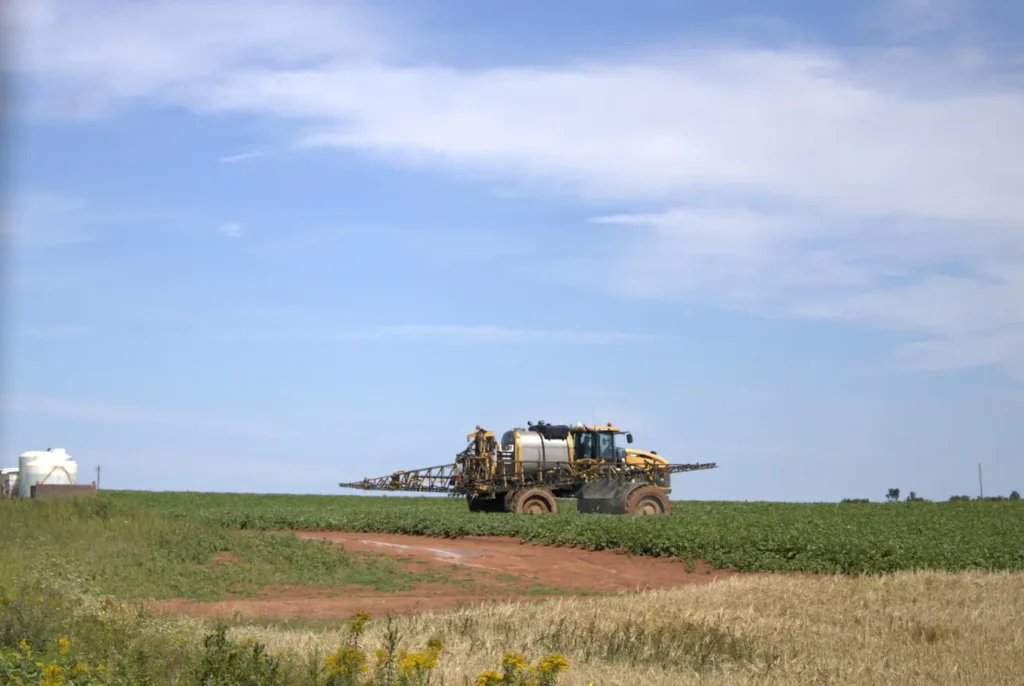
Organic or small-scale farms often rely more on manual labor and traditional methods, while industrial farms use heavy machinery and advanced technology.
Skills Needed to Work on a Farm
Working on a farm does not always require formal education, but certain skills and attitudes are essential.
- Physical endurance
Farm work can be demanding. Lifting, bending, walking long distances, and working long hours are common. - Responsibility and reliability
Animals and crops depend on daily care. Being on time and completing tasks consistently is crucial. - Willingness to learn
Farming involves many skills, from animal handling to equipment use. Most workers learn by observing and practicing. - Problem-solving skills
Unexpected challenges such as weather changes, pests, or equipment failure require quick thinking. - Teamwork
Many farms rely on cooperation among workers and family members. - Respect for safety rules
Farms use tools, machinery, and animals that can be dangerous if handled carelessly.

Daily Life on a Farm
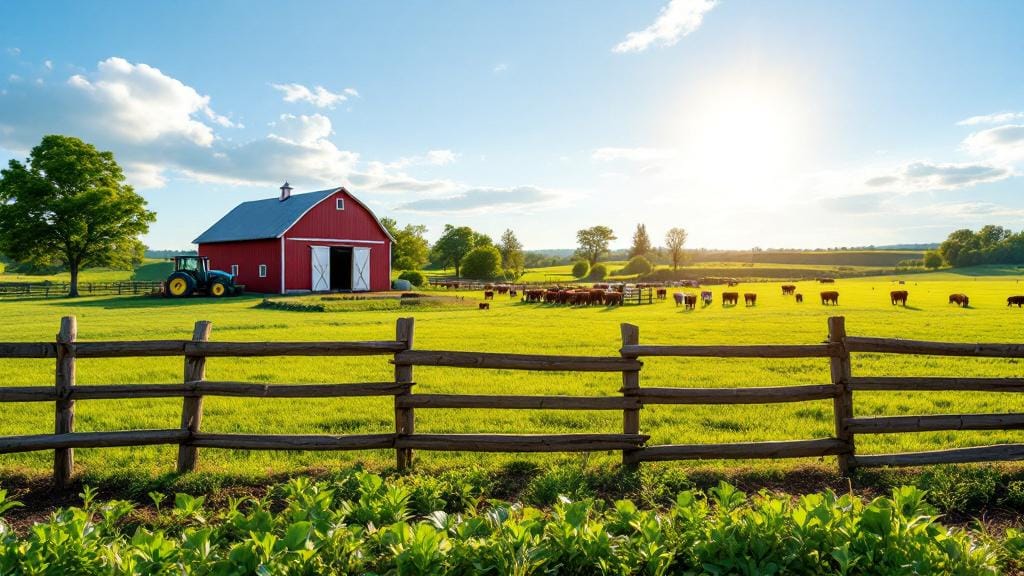
Farm life usually starts early. Many farmers begin their day at sunrise or earlier, especially on livestock farms.
Morning tasks often include the following:
- Feeding animals
- Checking water supplies
- Milking cows or goats
- Inspecting crops
Midday work may involve the following:
- Fieldwork, such as planting or harvesting
- Repairing fences or equipment
- Cleaning barns or storage areas
Evening tasks often repeat morning duties, especially feeding and checking animals.
Unlike many jobs, farm work does not always follow a fixed schedule. Weather, seasons, and emergencies can change plans quickly.
Working with Crops
Crop farming requires understanding soil, water, and plant growth.
Preparing the soil involves plowing, fertilizing, and removing weeds. Healthy soil is essential for strong crops.
Planting can be done by hand or with machines, depending on the farm size. Timing is critical, as planting too early or too late can affect yields.
Crop care includes watering, weeding, and protecting plants from pests or disease. Farmers must monitor crops closely.
Harvesting is often the most labor-intensive stage. Some crops are picked by hand, while others are harvested with machines.
Working with Animals
Animal care is a major responsibility on many farms.
Feeding and watering animals must be done daily and on schedule. Each animal species has specific dietary needs.
Health monitoring is essential. Farmers look for signs of illness, injury, or unusual behavior.
Cleaning and shelter maintenance help prevent disease and keep animals comfortable.
Handling animals requires calm behavior and confidence. Animals can become stressed if handled roughly.
Animal care teaches patience, empathy, and attentiveness.
Tools and Equipment
Farm work involves many tools, ranging from simple hand tools to large machines.
Common tools include:
- Shovels, hoes, and rakes
- Buckets and wheelbarrows
- Pruning shears
Larger farms use equipment such as:
- Tractors
- Harvesters
- Irrigation systems
Learning to use equipment safely is critical. Many accidents occur due to a lack of attention or training.
Safety on the Farm
Safety is one of the most important aspects of farm work.
Basic safety practices include:
- Wearing appropriate clothing and protective gear
- Following instructions when using tools or machines
- Keeping a safe distance from large animals
- Staying aware of surroundings
Farm workers should never rush tasks or ignore safety rules. Even simple mistakes can lead to serious injuries.
Seasonal Nature of Farm Work
Farm work changes with the seasons.
- Spring is busy with planting and animal births.
- Summer focuses on crop care and harvesting.
- Autumn involves major harvests and preparation for winter.
- Winter is quieter but includes maintenance, planning, and animal care. It’s also a great time to explore winter planting ideas like garlic, onions, or cover crops that protect the soil and prepare it for the following spring’s productivity.
Understanding seasonal rhythms helps workers prepare physically and mentally for different workloads.
Challenges of Working on a Farm
Farm work is not easy, and it comes with challenges.
- Long hours and physical exhaustion
- Working in extreme weather conditions
- Unpredictable income on some farms
- Emotional difficulty when animals are sick, or crops fail
Despite these difficulties, many people find farm work deeply meaningful.
Benefits of Working on a Farm
Working on a farm offers many rewards.
- A strong connection to nature
- Practical life skills
- Physical fitness
- A sense of accomplishment
- Understanding where food comes from
Farm work also teaches patience, discipline, and respect for the environment.
Farm work also teaches patience and discipline. If you want to see these benefits in action while traveling, you can experience the biodynamic farm stays in France, where nature, wellness, and culture perfectly meet.
Working on a farm is more than just a job; it is a way of life. It requires dedication, hard work, and adaptability, but it offers valuable lessons that last a lifetime. Whether caring for animals, growing crops, or maintaining land, farm workers play a crucial role in feeding communities and protecting natural resources. For those willing to learn and work hard, farm life can be challenging, fulfilling, and deeply rewarding.