


For anyone who loves their garden, planning a vacation often comes with a side of ‘plant anxiety.’ It’s hard to fully relax on a beach or explore a new city when you’re constantly wondering if your favorite green friends are wilting in the heat. Even a few days of neglect can lead to stressed-out plants, and a few weeks away can sometimes be permanent.
But here’s the good news: you don’t have to choose between your travel bug and your green thumb. With the right preparation and a few clever tools, you can ensure your garden stays hydrated and happy while you’re away.
In this guide, we’ll dive into the best strategies for watering your garden during your absence, from simple, low-cost DIY hacks to high-tech smart irrigation systems. Let’s make sure you return home to a flourishing garden that’s just as refreshed as you are.
Why Proper Garden Watering Matters When You’re Away
Plants require consistent moisture to survive and grow. Even short periods without water can affect:
- Soil moisture levels: Dry soil reduces nutrient uptake.
- Plant growth: Water stress slows photosynthesis and stunts growth.
- Flowering and fruiting: Blooms may drop prematurely, and fruits may fail to set.
- Plant health: Prolonged drought can make plants more vulnerable to pests and disease.
The severity of the impact depends on plant type, climate, soil type, and time away. For example, succulents tolerate drought well, while tomatoes or leafy greens can wilt in just a few days without water.
Planning Ahead: Key Considerations
Before you leave, ask yourself a few essential questions:
- Duration of absence: How many days or weeks will you be away?
- Type of plants: Do you have drought-tolerant species or moisture-loving plants?
- Sun exposure: South-facing or full-sun gardens dry out faster.
- Soil type: Sandy soils drain quickly, while clay retains moisture longer.
- Available resources: Do you have access to timers, hoses, or someone to check in on your garden?
Planning allows you to choose the best watering strategy for your situation.
DIY Methods for Watering Your Garden While Away
If you prefer simple, low-cost solutions, several DIY approaches work effectively for short- to medium-term absences. These clever garden diy hacks allow you to repurpose everyday household items to keep your plants hydrated without spending a fortune on expensive equipment.
1. Watering Globes or Bulbs
Watering globes, ceramic bulbs, or self-watering spikes slowly release water into the soil over time.
- Fill them with water and insert them near the plant’s root zone.
- They can typically water plants for 3–7 days, depending on soil type and plant size.
Pros: Low maintenance, inexpensive, reusable.
Cons: Best for smaller plants; may not be sufficient for large vegetable gardens.
2. DIY Bottle Irrigation
Plastic bottles can be repurposed into simple drip irrigation systems.
- Fill a 1–2 liter bottle with water.
- Poke tiny holes in the cap or sides.
- Insert the bottle upside down into the soil near the plant roots.
Pros: Inexpensive and effective for small to medium plants.
Cons: Requires manual setup and monitoring; slower water release.
3. Soaker Hose or Drip Hose
A soaker hose distributes water along its length directly into the soil, minimizing evaporation.
- Lay the hose along garden rows.
- Connect it to a water source and, if possible, a timer.
- Cover the hose lightly with mulch to further reduce evaporation.
Pros: Efficient for large beds, reduces water waste, and can run for several hours automatically.
Cons: May require longer setup if no timer is available.
4. Mulching to Retain Moisture
While not a direct watering method, mulching is an excellent way to reduce soil evaporation while you’re away.
- Apply a 2–4 inch layer of organic mulch (straw, bark, or shredded leaves) around plants.
- Mulch keeps soil cool, retains moisture, and protects roots.
Pros: Simple, inexpensive, and also suppresses weeds.
Cons: Doesn’t add water, so must be combined with other watering methods.
5. Water-Wicking Systems
Wicking is a clever method to slowly deliver water to plants using capillary action.
- Place a container of water near your plants.
- Insert one end of a cotton or nylon rope into the water container and bury the other end in the plant’s soil.
- Water travels along the rope gradually, keeping the soil moist.
Pros: DIY-friendly, effective for a week or more.
Cons: Works best for potted plants and smaller garden beds.
Smart Solutions: Technology-Assisted Watering
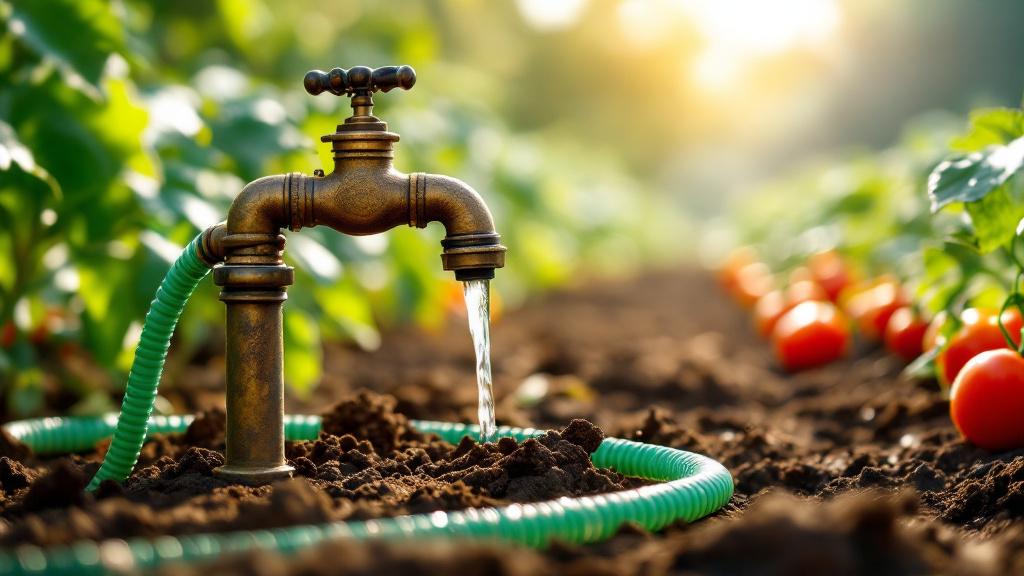

If you want a more reliable or long-term solution, modern irrigation technology can automate the process.
1. Automatic Drip Irrigation Systems
Drip irrigation delivers water directly to the roots through a network of tubes and emitters.
- Connect to a timer to water at specific intervals.
- Adjust flow rates for each plant type.
- Systems can be used for garden beds, containers, and even greenhouses.
Pros: Highly efficient, customizable, and can handle extended absences.
Cons: Initial setup cost and installation effort.
2. Smart Garden Controllers
Smart garden controllers allow you to control watering remotely via your smartphone.
- Monitor soil moisture levels and schedule watering automatically.
- Receive alerts if a pump fails or soil dries out.
- Some systems integrate with weather forecasts to adjust watering based on rainfall.
Pros: Peace of mind, water-efficient, suitable for large or complex gardens.
Cons: More expensive; requires Wi-Fi or cellular access.
3. Self-Watering Planters
Self-watering containers are ideal for patios, balconies, or small raised beds.
- They include a water reservoir beneath the soil, feeding plants via capillary action.
- Can last several days to two weeks, depending on plant size.
Pros: Minimal maintenance, simple to use.
Cons: Only suitable for potted plants or small beds, not large gardens.
Enlisting Help: Garden-Sitting Options
Sometimes, the simplest solution is a human touch. If your absence is more than a week or two:
- Ask a neighbor or friend: Provide a simple watering schedule and necessary tools.
- Hire a garden sitter: Professionals can water, prune, and monitor plant health.
- Community swaps: Trade garden-sitting duties with other local gardeners.
Having someone check in also helps detect pest infestations or plant diseases before they spread.
Tips for Maintaining Garden Health While Away
No matter which method you choose, keep these tips in mind:
- Water deeply before leaving: Hydrate the soil thoroughly a day or two before your departure.
- Group plants by water needs: Helps target irrigation effectively.
- Raise soil moisture retention: Amend soil with compost or water-retaining crystals for long-term moisture.
- Shade-sensitive plants: Temporary shade cloth can prevent excessive water loss in hot climates.
- Check weather forecasts: Rain while away may reduce the need for automatic watering.
Combining these strategies ensures your garden thrives while you’re gone.
Special Considerations for Different Garden Types
Vegetable Gardens
Vegetables, especially tomatoes, peppers, and leafy greens, are sensitive to inconsistent watering. Drip irrigation with timers is the most reliable method. Mulch heavily to retain soil moisture.
Flower Beds
Flowers like marigolds, zinnias, and petunias can tolerate short dry periods but benefit from slow, consistent watering. Some essential tips for flowering plants during your absence include deadheading spent blooms before you leave and using self-watering spikes or DIY bottle irrigation, which work well.
Container Gardens
Containers dry out faster than in-ground gardens. Use self-watering pots or wicking systems and group containers together to create a microclimate.
Raised Beds
Raised beds lose moisture quickly due to elevation. Soaker hoses with timers or daily check-ins are highly recommended for extended absences.
Troubleshooting Common Issues
- Wilting plants: Indicates insufficient water flow; check hoses or refill bulbs.
- Waterlogged soil: May occur if irrigation runs too long; adjust timer or emitter output.
- Uneven watering: Ensure drip emitters are positioned at plant roots and not blocked by mulch.
- Pest attraction: Standing water in DIY reservoirs can attract mosquitoes; use covered containers or add mosquito repellents.
Addressing these issues before departure ensures smooth garden care.
Returning Home
After your absence:
- Inspect plants for stress, pests, or disease.
- Prune dead or damaged foliage.
- Gradually resume normal watering to avoid shock.
- Replenish mulch or soil amendments as needed.
With proper planning, most gardens bounce back quickly, rewarding you with healthy, thriving plants.
Watering your garden while away doesn’t have to be stressful. Whether you prefer DIY methods like watering globes and bottles or high-tech solutions such as smart irrigation systems, there’s a strategy for every garden and budget.
At the end of the day, a little bit of planning goes a long way in keeping your garden thriving while you’re off enjoying your travels. By choosing the right watering method, whether it’s a high-tech irrigation timer or a simple DIY bottle hack, you can ensure your plants stay hydrated and healthy in your absence. Now that your garden is safe, make sure you’re using every inch of it wisely with these small garden bed ideas.
Don’t forget to consider your soil type and plant needs before you head out, and a fresh layer of mulch can be your garden’s best friend for retaining moisture. Whether you rely on smart technology or a trusted neighbor, taking these few simple steps means you’ll be greeted by lush green leaves and vibrant blooms the moment you return. Now, you can finally relax and enjoy your trip, knowing your garden is in good hands, even if those hands are your own clever systems!