


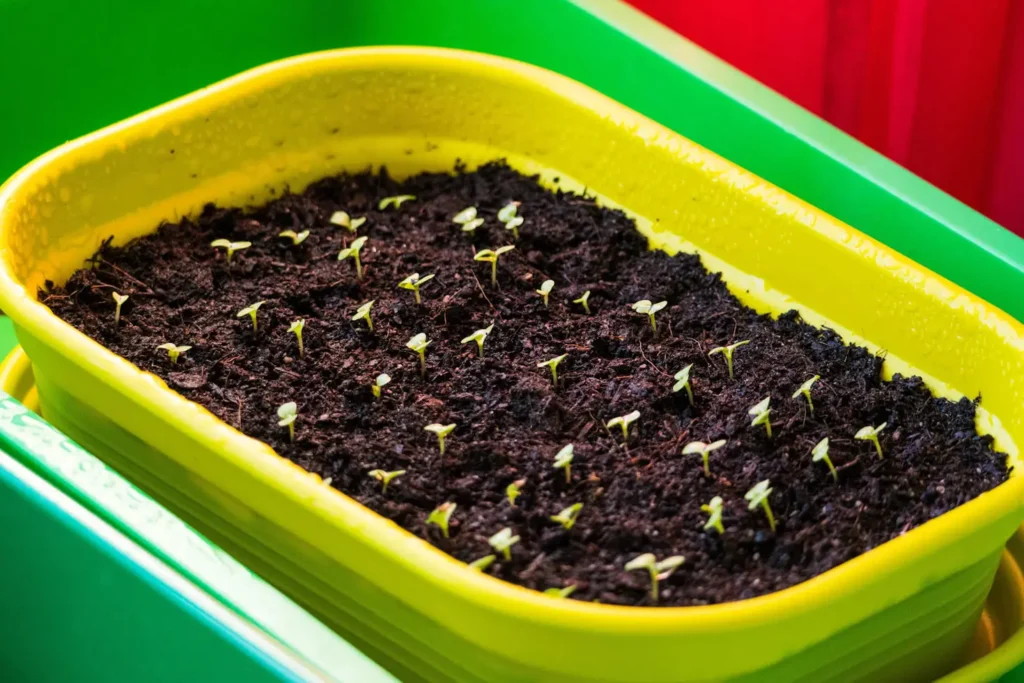
Starting seedlings for hydroponics is one of the most important steps in building a thriving soilless garden. Whether you’re growing leafy greens, herbs, or fruiting plants like tomatoes and peppers, strong seedlings lay the foundation for healthy growth and high yields. Unlike traditional gardening, hydroponic seedlings are started in inert, soil-free materials that allow roots to grow cleanly and transition easily into your system.
This guide walks you through everything you need to know about how to start seedlings for hydroponics, from choosing the right materials to caring for your seedlings until they are ready for transplant.
Why Starting Seedlings Properly Matters in Hydroponics
In soil, young plants have a buffer of nutrients and microbial activity that protects them from small mistakes. Hydroponics, however, offers no such cushion. The environment is highly controlled, and plants rely entirely on what you provide. That means your seedlings need to be
- Healthy and vigorous
- Disease-free
- Well-rooted
- Accustomed to moisture and airflow differences
When seedlings start strong, they transition faster into your hydroponic system, experience less shock, and begin producing growth quickly. Weak or poorly germinated seedlings often fall behind, stunt, or die early in the system.
Materials You Need to Start Hydroponic Seedlings
Before you begin, gather the following materials. These ensure that your seedlings germinate evenly and grow into strong, uniform plants.
1. Growing Medium
Hydroponic seed-starting requires a sterile, inert medium that holds moisture but drains well. Popular options include:
- Rockwool cubes – Most common; excellent moisture retention.
- Coco coir plugs – Eco-friendly and great for beginners.
- Rapid Rooter plugs – Pre-moistened and easy to handle.
- Jiffy pellets – Made of peat; can work but may affect pH slightly.
- Perlite + vermiculite mix – Great for DIY setups.
2. Seeds
Choose high-quality seeds. For hydroponics, fast-germinating varieties like lettuce, basil, spinach, bok choy, and microgreens perform exceptionally well.
3. Tray, Humidity Dome, and Labels
A seed tray with a humidity dome helps maintain moisture and warmth. Labels keep your varieties organized.
4. pH-Balanced Water
Hydroponic seedlings prefer water at pH 5.5–6.0. Adjust with pH up or pH down as needed.
5. Grow Lights
Seedlings need 14–16 hours of light daily. LED grow lights deliver ideal brightness without overheating.
6. Spray Bottle
For gentle watering that won’t disturb seeds.
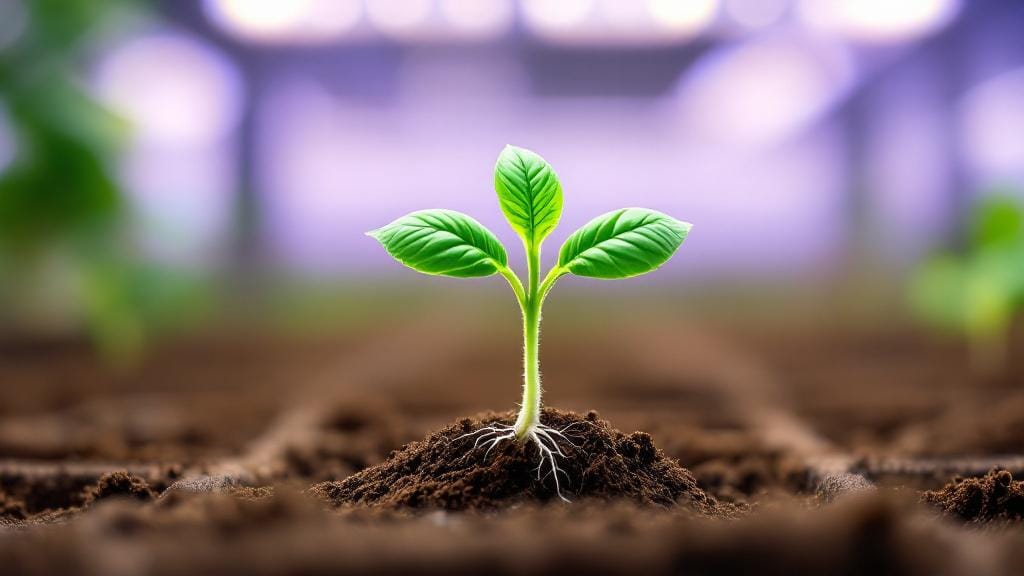

Step-by-Step: How to Start Seedlings for Hydroponics
Below is the complete process from preparing your medium to transplanting your seedlings into your system.
Step 1: Prepare the Growing Medium
Each medium has unique preparation steps:
Rockwool Cubes
Rockwool must be conditioned before use because it is slightly alkaline.
- Mix water with a pH of 5.5.
- Soak the cubes for 20–30 minutes.
- Gently shake off excess water—do not squeeze.
Coco Coir or Rapid Rooter Plugs
These typically need little preparation.
- Moisten with pH-balanced water until damp, not dripping.
- Let excess water drain.
DIY Perlite/Vermiculite Mix
- Combine equal parts perlite and vermiculite.
- Moisten thoroughly and place into seedling trays.
The media should be moist but airy. Too much water leads to poor oxygen availability and slow germination.
Step 2: Sow the Seeds
Planting seeds correctly ensures even germination.
- Make a small indentation or use the pre-formed hole in your plug.
- Place 1–2 seeds into each hole.
- Lightly cover with a small pinch of medium (unless using rockwool or Rapid Rooter, which usually does not need a cover).
- Mist lightly with a spray bottle.
Pro Tip: Planting two seeds gives you better odds. After they sprout, keep the stronger seedling and snip the weaker one at the soil level.
Step 3: Maintain Proper Moisture and Humidity
Moisture is essential for seeds to activate. However, too much water suffocates them. Here’s what you should aim for:
- Medium should stay constantly damp, not soaked.
- Use a humidity dome to trap moisture.
- Open the dome’s vents after seeds sprout to prevent mold.
If condensation is excessive, remove the dome briefly to let the tray dry out slightly.
Step 4: Provide Warmth for Germination
Most seeds germinate best at 70–78°F (21–26°C). Cool temperatures slow germination significantly.
Optional but helpful:
- Seedling heat mats maintain ideal warmth.
- Warmth is especially important for herbs and fruiting plants (e.g., basil, peppers).
Step 5: Add Light Once the Seedlings Sprout
Seeds don’t need light until they break the surface. But once they sprout, they require consistent illumination.
- Use LED grow lights positioned 4–8 inches above seedlings.
- Provide 14–16 hours of light daily.
- Keep light intensity moderate. Seedlings are delicate at first.
Without enough light, seedlings become leggy, stretching toward light and weakening their stems.
Step 6: Begin Light Nutrient Feeding
When seedlings develop their first true leaves (the second leaf set), they are ready for mild nutrients.
Use a very light hydroponic nutrient solution:
- EC 0.4–0.6 (¼ strength)
- pH 5.5–6.0
This prevents nutrient burn while giving the plants the minerals needed to grow sturdy roots.
You can top-water the cubes with this solution or place the tray in a shallow reservoir to wick from below.
Step 7: Strengthen the Seedlings
Before transplanting seedlings into your hydroponic system, you want them to be strong enough to withstand the transition.
Characteristics of transplant-ready seedlings:
- 2–3 sets of true leaves
- Strong, short stems (not leggy)
- Roots visible at the bottom or sides of the cube
- Leaves are bright green with no yellowing.
Gradually lower the humidity and increase airflow:
- Open dome vents fully.
- Use a small fan on low to encourage stem strength.
- Maintain temperatures between 68 and 75°F (20 and 24°C).
This “hardening off” process prepares plants for the more intense environment of hydroponic systems.
Step 8: Transplanting Seedlings into the Hydroponic System
Once your seedlings are robust, you can move them into your hydroponic system—whether it’s deep-water culture (DWC), nutrient film technique (NFT), ebb and flow, or aeroponics.
How to transplant:
- Handle seedlings gently by the cube, not the stem.
- Place the entire cube into the net pot.
- Fill around the cube with clay pebbles (if needed) for support.
- Ensure roots can access moisture or nutrient mist.
- Switch to a slightly stronger nutrient solution (EC 0.8–1.0 for leafy greens).
Seedlings may show mild shock for a day or two, but healthy ones recover quickly and begin growing vigorously.
Common Mistakes to Avoid When Starting Hydroponic Seedlings
Even experienced growers encounter pitfalls. Here are the most common mistakes and how to prevent them:
1. Overwatering the Medium
Too much moisture causes root rot and slows germination. Keep cubes damp, not sopping wet.
2. Insufficient Light
Dim or distant light causes seedlings to stretch. Keep grow lights close and bright.
3. High Nutrient Levels Too Early
Young seedlings burn easily. Always start with ¼ strength of nutrients.
4. Planting Seeds Too Deep
Most seeds don’t need to be buried. A light covering (or none) is ideal.
5. Skipping pH Adjustment
Hydroponic plants are very sensitive to pH. Use water with a pH of 5.5–6.0 from day one.
6. Delaying Transplant
Overgrown seedlings become root-bound in their plugs. Move them once roots peek out.
Best Plants to Start as Hydroponic Seedlings
Some plants are easier and faster to grow than others. Great choices for beginners include:
- Lettuce
- Spinach
- Basil
- Kale
- Bok choy
- Swiss chard
- Cilantro
- Arugula
These germinate quickly, adapt easily, and thrive in most hydroponic setups.
More advanced plants like peppers, tomatoes, and strawberries require more warmth and patience. You might even wonder, can you grow potatoes hydroponically? While possible, it requires a much different setup than leafy greens. but can still be highly rewarding.
Learning how to start seedlings for hydroponics is one of the most valuable skills you can develop as a grower. Strong seedlings build the foundation for a healthy, productive hydroponic garden. By choosing the right medium, maintaining proper moisture and light, providing gentle nutrition, and transplanting at the right time, you set your plants up for rapid growth and abundant yields.
Once you master this stage, the rest of hydroponic gardening becomes easier and far more enjoyable. Whether you’re running a small countertop system or a full-scale indoor farm, starting seedlings the right way ensures success from the very first leaf.