


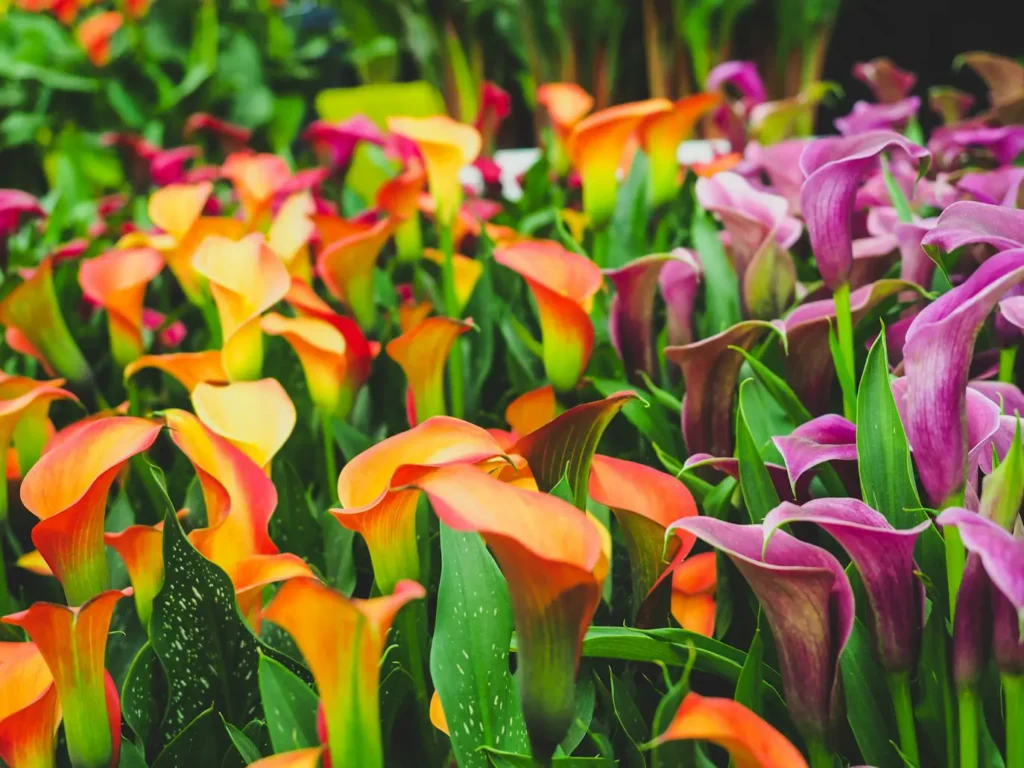
Planting flowers is one of the most rewarding gardening activities you can do. Whether you’re looking to brighten your backyard, decorate your patio, or add color to your front yard, flowers bring beauty, fragrance, and life to any space. While planting may seem simple, growing healthy, vibrant blooms requires planning, preparation, and proper care. This guide will walk you through everything you need to know about how to plant flowers, from choosing the right varieties to maintaining them throughout the season.
Why Plant Flowers?
Flowers are more than just pretty additions to your garden. They serve several purposes that make them essential to outdoor spaces. Flowers attract pollinators such as bees, butterflies, and hummingbirds, which support a healthy ecosystem. They can improve your mood and well-being, as studies show that spending time around flowers reduces stress and promotes relaxation. Flowers also enhance curb appeal, making your home more attractive, and many species can even repel pests or act as companion plants for vegetables.
Step 1: Choosing the Right Flowers
Before you start digging, take time to choose the right flowers for your space. Consider three key factors: climate, sunlight, and soil type.
Know Your Climate
Different flowers thrive in different climates. Check your USDA Hardiness Zone (or your country’s equivalent) to find flowers suitable for your local conditions. For example, marigolds and zinnias love warm weather, while pansies and snapdragons thrive in cooler climates.
Checking your local climate’s hardiness zone is the most critical step to ensure your flowers can survive the extreme temperatures of your region.
Assess Sunlight
Sunlight plays a major role in flower growth. Observe how much sun your garden area gets during the day:
- Full Sun: At least 6 hours of direct sunlight daily (ideal for marigolds, sunflowers, and petunias).
- Partial Sun/Partial Shade: 3–6 hours of sunlight (great for impatiens, begonias, and geraniums).
- Full Shade: Less than 3 hours of sunlight (perfect for hostas, ferns, and violets).
Understand Soil Type
Flowers need well-draining soil to prevent waterlogging. Clay-heavy soils hold too much water, while sandy soils may drain too fast. You can improve your soil by adding compost, peat moss, or organic matter to enhance its structure and fertility.
Once you know your growing conditions, you can choose between annuals (plants that bloom for one season), perennials (plants that return year after year), or a mix of both.
If you are a busy gardener looking for beauty without the constant work, check out our guide on low-maintenance flowers that bloom all year to keep your garden colorful with minimal effort.
Step 2: Preparing the Soil
Healthy soil is the foundation of every successful flower garden. Begin by clearing the area of weeds, rocks, and debris. Loosen the soil using a shovel or garden fork to a depth of at least 8–12 inches. Loosening allows roots to penetrate easily and improves air circulation.
Next, mix in organic compost or aged manure to enrich the soil with nutrients. A good mix typically includes equal parts of garden soil, compost, and coarse sand or perlite for drainage. If your soil is acidic, adding lime can help balance the pH, while sulfur can lower alkalinity.
Finally, rake the surface smooth to create an even planting bed.
Step 3: Choosing Between Seeds and Transplants
You can start your flowers either from seeds or transplants (young plants from a nursery).
- Starting from Seeds: This option is economical and allows you to grow rare or unusual varieties. However, seeds take longer to mature, and some need to be started 6–8 weeks indoors before the last frost.
- Using Transplants: Buying nursery-grown plants gives you a head start. It’s easier and ideal for beginners, as you can skip the germination process and enjoy quicker blooms.
Whichever method you choose, make sure your flowers are appropriate for the current season.
Step 4: Planting Your Flowers
Now comes the fun part: putting your plants into the ground! While the process is straightforward, following these flower gardening tips for beginners, such as handling the roots gently and spacing them correctly, will ensure your plants take hold and thrive from day one.
For Seeds
- Follow packet instructions for spacing and planting depth. Each flower species has different requirements.
- Gently press seeds into the soil, but don’t bury them too deep.
- Water lightly to moisten the soil without washing the seeds away.
- Cover the bed with a thin layer of mulch or compost to retain moisture and protect seeds from birds.
For Transplants
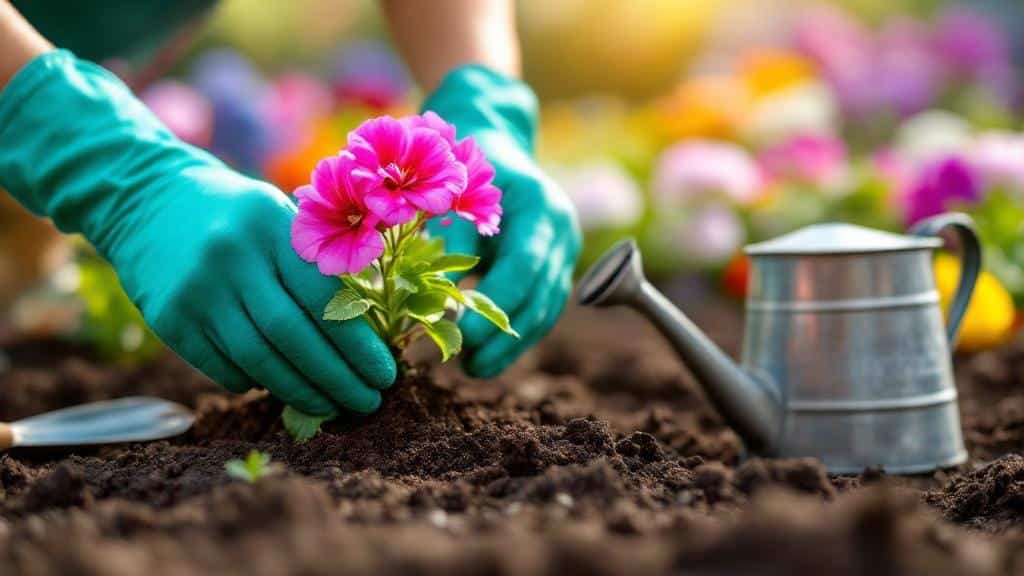
- Dig a hole slightly larger than the plant’s root ball.
- Remove the plant from its container gently, keeping the root system intact.
- Loosen compacted roots before planting to encourage outward growth.
- Place the plant in the hole so the top of the root ball is level with the soil surface.
- Fill the hole with soil and gently press around the base.
- Water thoroughly after planting to help the roots settle.
For a balanced garden, space flowers according to their mature size; crowding can lead to competition for light and nutrients.

Step 5: Watering and Mulching
Proper watering is vital for newly planted flowers. Water deeply right after planting, then maintain consistent moisture while roots establish. Most flowers prefer about 1 inch of water per week, but this can vary based on temperature and rainfall.
Use mulch to help retain soil moisture, regulate temperature, and suppress weeds. Organic mulches like bark chips, straw, or shredded leaves also improve soil health as they decompose. Spread a 2–3 inch layer around your plants, keeping mulch a few inches away from the stems to prevent rot.
Step 6: Feeding Your Flowers
Flowers need nutrients to thrive. Applying fertilizer gives them the boost they need for strong growth and vibrant blooms. Use a balanced fertilizer (10-10-10 or 20-20-20) every 4–6 weeks during the growing season. For blooming plants, you can switch to a phosphorus-rich fertilizer (the middle number) to encourage more flowers.
Be careful not to over-fertilize; too much nitrogen can produce lush leaves but fewer blooms.
Step 7: Ongoing Care and Maintenance
Healthy flowers require regular maintenance. Here are key tasks to keep your garden looking its best:
- Deadheading: Remove faded or dead flowers to encourage new blooms and prevent seed formation.
- Pruning: Trim overgrown stems to maintain shape and promote airflow.
- Weeding: Remove weeds regularly to prevent competition for nutrients and water.
- Pest Control: Keep an eye out for aphids, slugs, or caterpillars. Use organic pest control methods like neem oil or insecticidal soap.
- Support Tall Plants: Stake or cage taller flowers such as dahlias or delphiniums to prevent bending or breaking.
Step 8: Seasonal Flower Planting Tips
Spring
Spring is the best time to plant most flowers. Start with cool-season blooms like pansies, snapdragons, and tulips. These thrive in mild temperatures and add early color.
Summer
As temperatures rise, choose heat-tolerant varieties such as zinnias, marigolds, and sunflowers. Water deeply during dry spells to prevent wilting.
Fall
Plant hardy perennials like chrysanthemums or asters for late-season color. Fall is also ideal for planting spring-blooming bulbs like daffodils and tulips.
Winter
In mild climates, grow winter-hardy flowers like cyclamen, violas, and ornamental kale to keep your garden colorful year-round.
Step 9: Common Mistakes to Avoid
- Overwatering: Too much water suffocates roots and causes rot.
- Planting Too Deep: This can smother roots and stunt growth.
- Ignoring Soil Quality: Poor soil limits flower health—always enrich before planting.
- Choosing the Wrong Location: Shade-loving plants won’t thrive in direct sun and vice versa.
- Neglecting Maintenance: Deadheading and pruning are essential for continuous blooms.
By avoiding these common errors, you’ll enjoy a healthier and more vibrant flower garden.
Step 10: Enjoy the Rewards
Once your flowers are established, all that’s left is to enjoy the results. Whether you’re admiring colorful petunias spilling from pots or the gentle sway of daisies in your yard, a well-planted flower garden is a source of daily joy and satisfaction. Beyond beauty, it connects you with nature and provides a sense of peace that few hobbies can match.
Learning how to plant flowers is the first step toward creating a thriving, colorful garden. By understanding your soil, choosing suitable plants, and following the correct planting and care techniques, you can cultivate blooms that last from spring to fall and even year-round in some regions.
Whether you have a small patio, a large backyard, or just a few containers on a balcony, flowers bring warmth, life, and beauty to your space. With patience, care, and a little love, your garden will flourish and reward you with endless color and fragrance.
So, grab your gardening gloves, prepare your soil, and start planting. The joy of seeing the first blossoms open is truly one of nature’s simplest yet greatest pleasures.