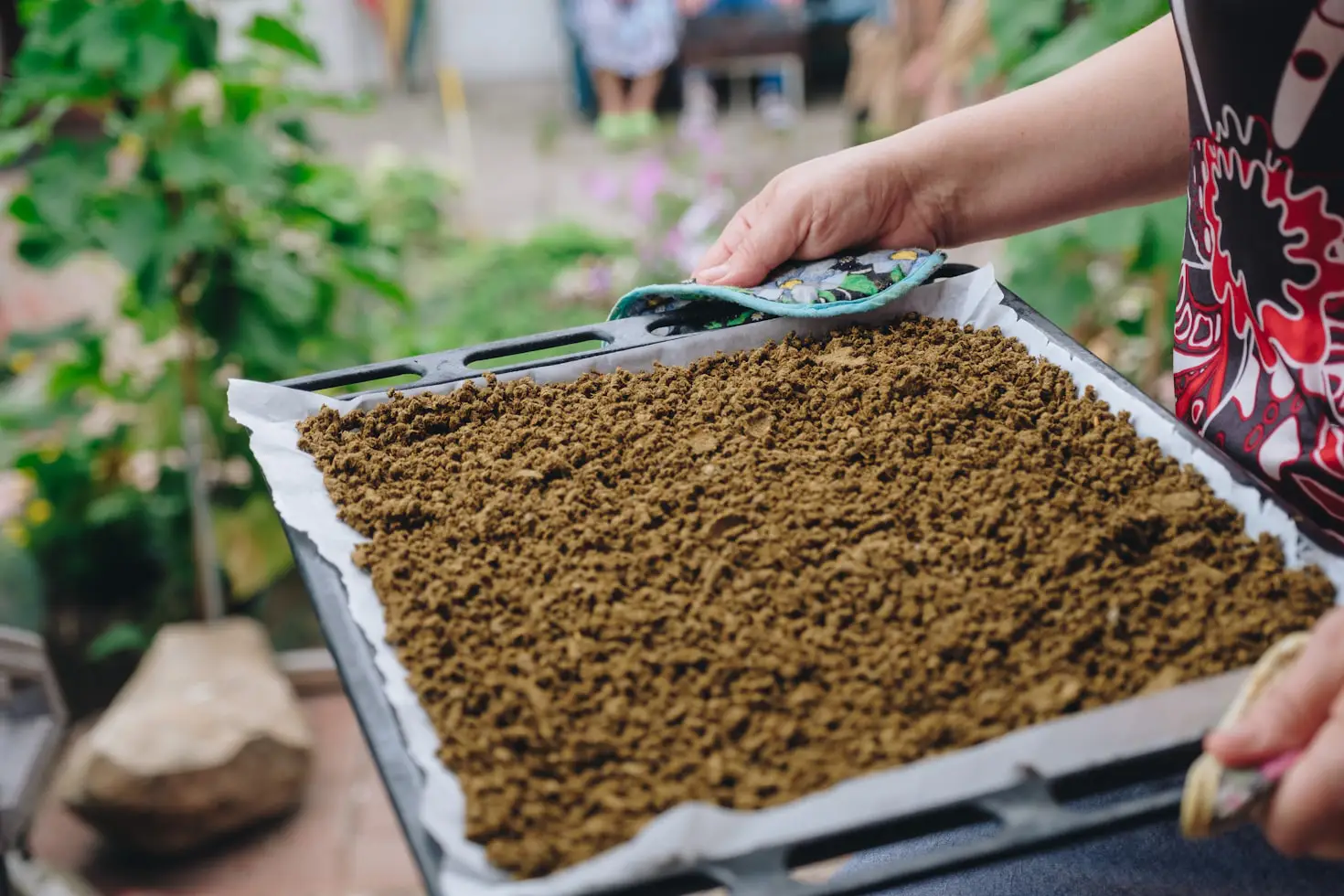

Raised beds are one of the most effective ways to grow vegetables, flowers, and herbs, whether you’re a beginner gardener or an experienced grower. They offer better drainage, improved soil quality, and easier maintenance. However, the success of any raised bed largely depends on the soil you put in it.
Unlike in-ground gardens, where you rely on existing soil, raised beds allow you to create a custom soil mix tailored to your plants’ needs. Properly prepared soil ensures strong roots, higher yields, and healthy plants throughout the season. This article explores how to make raised bed soil from scratch, including materials, proportions, and best practices.
Why Raised Bed Soil Is Different
Unlike garden beds in the ground, raised beds have boundaries that contain soil. This means you can control texture, fertility, and drainage entirely.
Key differences:
- Drainage Control: Raised beds prevent waterlogging and improve root oxygenation.
- Soil Structure: You can avoid compacted or poor-quality native soil.
- Nutrient Availability: You can add compost and amendments to create fertile soil from the start.
- Reduced Weeds: Starting with fresh soil reduces weed pressure compared to native soil.
The ultimate goal is a loamy, well-draining, nutrient-rich soil suitable for vegetables, flowers, and herbs.
Components of Raised Bed Soil
Creating raised bed soil is about combining three main components: organic matter, mineral soil, and amendments. A balanced mix ensures fertility, water retention, and drainage.
1. Organic Matter
Organic matter provides nutrients, improves soil structure, and supports beneficial microbes. Common options include:
- Compost: Rich in nutrients and beneficial microbes. Homemade or store-bought works.
- Aged Manure: Adds nitrogen, potassium, and phosphorus. Use well-composted manure to prevent burning plants.
- Leaf Mold: Decomposed leaves improve water retention and soil texture.
- Coconut Coir or Peat Moss: Retains moisture and lightens heavy soil.
Proportion: Organic matter should make up about 30–40% of your raised bed soil mix.
2. Mineral Soil or Base Material
This forms the bulk of the raised bed soil. It provides structure and anchors plant roots. Options include:
- Topsoil: Choose nutrient-rich, loamy topsoil free from contaminants.
- Garden Soil: Only if it is well-draining and not heavily compacted.
- Sand: Adds drainage to heavy clay soils.
Proportion: Mineral soil should account for about 40–50% of the mix.
3. Soil Amendments
Amendments adjust pH, fertility, and soil biology. Common amendments include:
- Bone Meal or Rock Phosphate: Adds phosphorus for root development and flowers.
- Kelp Meal or Seaweed Extract: Supplies micronutrients and stimulates root growth.
- Dolomite Lime: Balances pH if soil is acidic.
- Perlite or Vermiculite: Improves aeration and drainage.
Tip: Avoid excessive chemical fertilizers at planting. Start with balanced, slow-release amendments.
Steps to Make Raised Bed Soil
Creating your own raised bed soil can be simple if you follow a systematic approach. Here’s a step-by-step guide:
Step 1: Choose a Location
Pick a sunny spot with good air circulation. Most vegetables need 6–8 hours of sunlight per day. Avoid areas prone to flooding or extreme wind.
Step 2: Prepare the Raised Bed Structure
Raised beds can be made from wood, stone, brick, or recycled materials. Ideal dimensions:
- Height: 12–24 inches (deeper for root crops)
- Width: 3–4 feet (for easy access from both sides)
- Length: Flexible, depending on space
Make sure the bed has drainage holes or is built directly on the ground to allow excess water to escape.
Step 3: Collect Ingredients
Gather your components based on availability:
- 40–50% topsoil or garden soil
- 30–40% compost or well-rotted manure
- 10–20% peat moss, coconut coir, or sand (depending on soil texture)
- Optional amendments: lime, bone meal, kelp meal, perlite
Step 4: Layering or Mixing
You can either layer or thoroughly mix ingredients:
Layering Method:
- Bottom Layer: Coarse material like twigs or small branches (2–3 inches) for drainage.
- Middle Layer: Mineral soil mixed with sand for bulk and structure.
- Top Layer: Compost and organic matter for fertility and seedbed preparation.
Mixing Method (Preferred):
- In a wheelbarrow or tarp, mix topsoil, compost, sand/peat moss thoroughly.
- Blend amendments evenly.
- Fill the raised bed with this uniform mix.
Tip: Mixing ensures nutrients are distributed evenly and avoids creating compacted pockets.
Step 5: Check Soil Texture
Ideal raised bed soil is loamy, meaning:
- 40% sand (drainage)
- 40% silt (water retention)
- 20% clay (nutrient holding)
Test: Grab a handful of damp soil. It should hold together lightly but crumble easily when pressed.
- Too sandy → add more compost or clay
- Too clayey → add sand and organic matter
Step 6: Adjust pH
Most vegetables prefer slightly acidic to neutral soil (pH 6.0–7.0).
- Test soil with a pH kit.
- Add dolomite lime to raise pH if too acidic.
- Add sulfur to lower pH if too alkaline.
Tip: Make adjustments a few weeks before planting for best results.
Step 7: Fertility Boost
In addition to compost, consider:
- Slow-release fertilizers at planting time
- Organic fertilizers like fish emulsion, seaweed extract, or bone meal
- Avoid over-fertilizing, which can burn young plants or create excess foliage at the expense of fruiting
Step 8: Mulch
Once soil is planted, apply mulch to:
- Retain moisture
- Suppress weeds
- Keep soil temperature stable
Options: straw, shredded leaves, or wood chips (avoid fresh wood chips directly in contact with seedlings).
Tips for Maintaining Raised Bed Soil
- Add Compost Regularly: Top-dress annually with 2–3 inches of compost to maintain fertility.
- Rotate Crops: Prevent nutrient depletion and reduce disease risk.
- Monitor Soil Moisture: Raised beds dry faster than in-ground gardens. Water consistently.
- Avoid Compaction: Don’t walk on beds; step only on pathways.
- Replenish Amendments: Add small amounts of organic fertilizer mid-season for heavy feeders like tomatoes and peppers.
- Cover in Winter: Use cover crops like clover or rye to improve soil structure and fertility.
Common Mistakes to Avoid
- Using only topsoil: Lacks nutrients and may compact. Always mix with compost.
- Overusing peat moss: Can acidify soil; balance with compost and lime if necessary.
- Ignoring drainage: Waterlogged soil causes root rot. Always check raised bed drainage.
- Neglecting pH: Soil too acidic or alkaline limits nutrient availability.
- Not replenishing soil: Raised beds need annual amendment for continuous productivity.
Advantages of Well-Made Raised Bed Soil
- Strong root development
- Higher yields due to nutrient-rich soil
- Reduced disease pressure
- Better water retention and aeration
- Easier to manage and harvest
Creating your own raised bed soil is the foundation of successful gardening. With the right mix of organic matter, mineral soil, and amendments, you can provide a fertile environment that encourages healthy roots, abundant blooms, and bountiful vegetables.
A well-prepared raised bed ensures that you are not at the mercy of poor native soil. It allows you to control drainage, nutrients, and soil texture for optimal plant growth. Regular maintenance, crop rotation, and amendments will keep the soil productive year after year.
By following these steps — selecting quality ingredients, mixing them properly, testing pH, and maintaining fertility — your raised bed can become a sustainable, thriving ecosystem. Whether you’re planting tomatoes, lettuce, herbs, or flowers, great soil is the key to gardening success.
Healthy soil equals healthy plants, and healthy plants equal a productive and enjoyable garden.


