


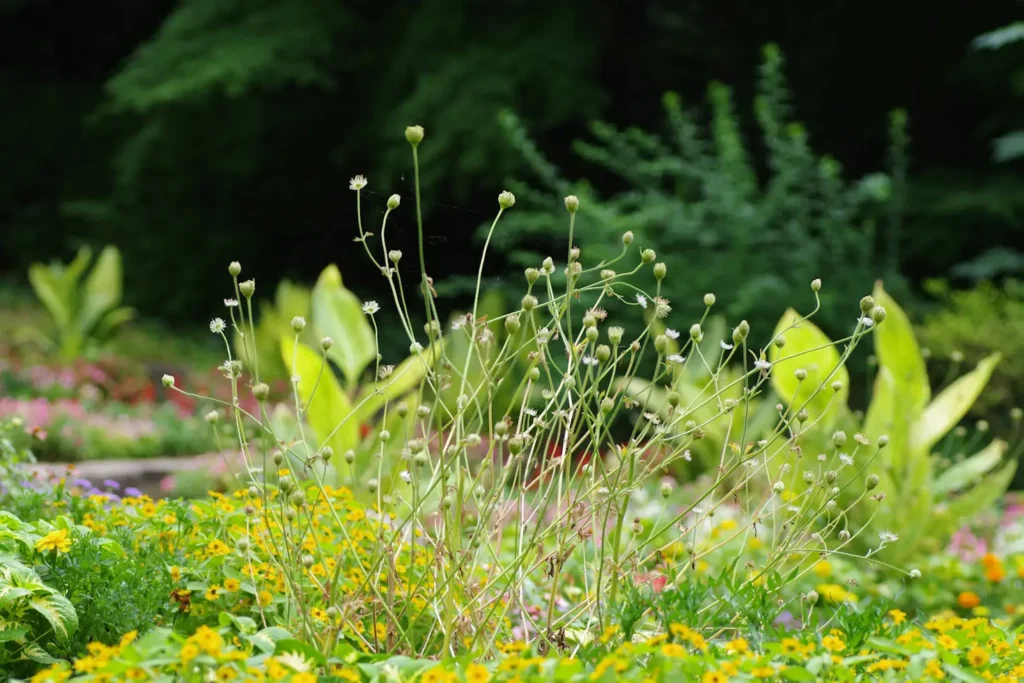
Learning how to make garden beds is an essential first step toward creating a thriving, organized, and productive garden. Garden beds help improve soil quality, manage water drainage, and reduce weed growth. Whether you’re a beginner or an experienced gardener, choosing the right type of bed, raised, in-ground, or no-dig, can significantly enhance your planting success. Proper planning, design, and preparation will ensure your garden beds serve both functional and aesthetic purposes. In this guide, we’ll walk you through multiple approaches to building garden beds, tailored for vegetables, flowers, or pollinators, and suitable for any budget or skill level.
Step-by-Step: How to Make Garden Beds That Thrive All Season
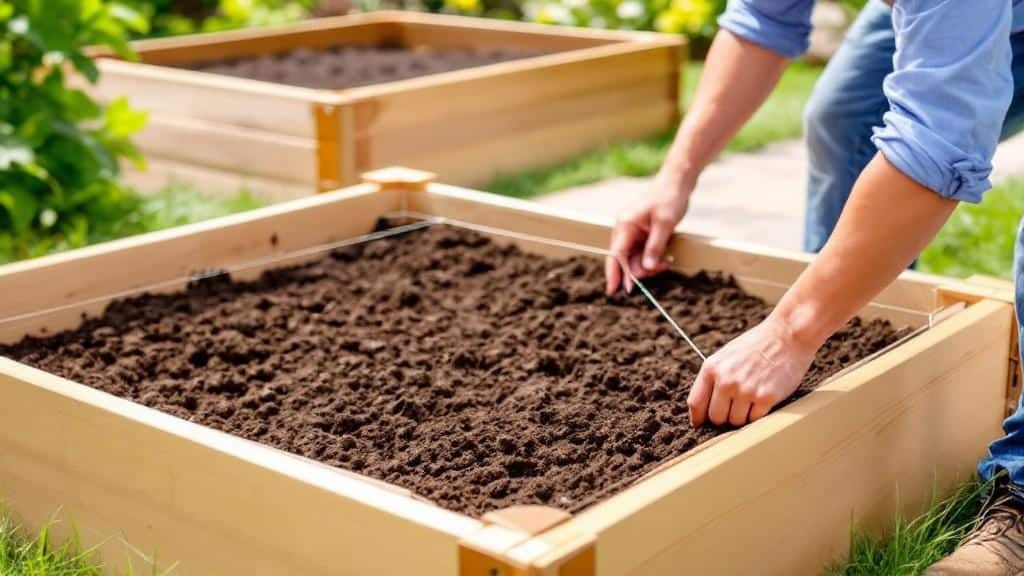
To build garden beds that perform all year long, start by selecting a location with ample sunlight and good drainage. Outline the shape of your bed using a hose or string. Remove grass or weeds, then loosen the soil using a fork or tiller. Mix in compost and organic matter for rich, fertile ground. For raised beds, install a wooden or stone frame to contain the soil. Ensure the soil depth matches your plant needs—typically 6 to 12 inches. Mulch the top layer to retain moisture and suppress weeds. Follow these steps to maintain healthy, vibrant beds season after season.
Beginner’s Guide: How to Make Garden Beds from Scratch
If you’re new to gardening, learning how to make garden beds from scratch can feel overwhelming, but it doesn’t have to be. Start with a manageable space, ideally 4 feet wide for easy access from both sides. Use untreated wood, bricks, or recycled materials to create a simple border. Fill your bed with a mix of topsoil and compost. Add mulch to protect the soil and conserve water. Choose easy-to-grow plants like lettuce or marigolds to start. With minimal tools and materials, beginners can create successful garden beds that encourage learning and long-term gardening enjoyment.
No Tools? No Problem! How to Make Garden Beds Easily and Affordably
Don’t have tools? You can still learn how to make garden beds quickly and on a budget. Try a no-dig method by layering cardboard over grass or weeds to smother growth. Top it with compost, manure, and a thick layer of mulch. This low-effort technique builds fertile soil while minimizing work. Use logs, stones, or reclaimed materials to define your garden bed borders. This method not only saves money but also improves soil structure over time. Whether you’re short on time, tools, or funds, you can still build productive and cost-effective garden beds with little effort.
Raised or In-Ground? How to Make Garden Beds That Suit Your Space
Choosing between raised or in-ground beds depends on your garden space and goals. To decide how to make garden beds that work for you, consider drainage, soil quality, and accessibility. Raised beds are ideal for poor or compacted soil and are easier on your back. In-ground beds require less construction and blend naturally with the landscape. Both types should be placed in full sun and filled with nutrient-rich soil. Whichever style you choose, your garden beds can be customized in size and shape to maximize yield and visual appeal in your specific outdoor space.
How to Make Garden Beds for Vegetables, Flowers, or Pollinators
When deciding how to make garden beds for specific plant types, it’s important to tailor your setup accordingly. Vegetable beds require deep, nutrient-rich soil and full sun. Flower beds benefit from colorful arrangements and varying plant heights for visual appeal. For pollinators like bees and butterflies, choose native wildflowers and avoid pesticide use.
Regardless of the purpose, all garden beds should have good drainage, weed control, and healthy soil. Consider companion planting strategies for added growth benefits. By designing beds with your plant goals in mind, you’ll boost beauty, yield, and biodiversity in your garden. Once your beds are ready, check out our guide on what to grow in raised beds for 15 easy crops that thrive even in small spaces.

Smart Gardening Starts Here: How to Make Garden Beds the Right Way
Want to garden smarter, not harder? Learn how to make garden beds that align with your soil type, light exposure, and climate. Begin by testing your soil and improving it with compost and organic matter. Choose durable materials like cedar or stone for raised beds to reduce maintenance. Install drip irrigation for efficient watering and use mulch to lock in moisture. Plan plant placement by height, spacing, and growth cycle. Smart garden beds reduce labor, prevent overcrowding, and maximize productivity. Thoughtful design and preparation now mean less work and more results throughout the growing season.
DIY Tips and Tricks: How to Make Garden Beds Like a Pro
Making garden beds yourself can be a fun and rewarding weekend project. Use these DIY tips to build beds like a seasoned gardener: Repurpose materials like pallets, cinder blocks, and eco-friendly borders. Level the ground before building to prevent uneven soil. Use landscape fabric underneath raised beds to block weeds. Combine topsoil, compost, and perlite for a balanced growing medium. Consider adding trellises or arches for climbing plants. Knowing how to make garden beds efficiently ensures you get the most out of your space, with style and structure that rivals professional installations.
How to Make Garden Beds Without Digging or Breaking the Bank
If digging isn’t an option or you’re on a tight budget, learn how to make garden beds using no-dig techniques and affordable materials. Start by laying down cardboard or newspaper to block weeds. Add layers of compost, straw, and mulch directly on top. Use low-cost edging materials like logs or old bricks to contain the bed. These lasagna-style garden beds require minimal effort and gradually enrich the soil. Not only do you save money, but you also preserve soil structure and microbial life. It’s a sustainable way to garden with great results and low investment.
From Planning to Planting: How to Make Garden Beds That Last
Durable, long-lasting garden beds begin with solid planning. Map out your garden space to optimize sun exposure and water access. Choose weather-resistant materials like galvanized metal or rot-resistant wood, such as cedar. Ensure beds are level and well-drained to avoid root rot. Consider irrigation and access points when designing the layout. Rotate crops annually to maintain soil health. By learning how to make garden beds that are built to last, you create a foundation for years of successful gardening, saving both time and money in future seasons while enjoying consistent, healthy plant growth.
How to Make Garden Beds That Look Good and Grow Better
A well-designed garden bed doesn’t just grow plants; it elevates your entire outdoor space. Learn how to make garden beds that are both beautiful and functional. Use symmetry, color contrast, and curved edges to enhance visual interest. Combine ornamental and edible plants for style and sustainability. Choose border materials that match your landscape design. Add mulch and decorative stones for a polished finish. Good-looking garden beds can increase property value and create a serene environment. With careful planning and creative design, your beds will become a stunning and productive focal point in your garden.