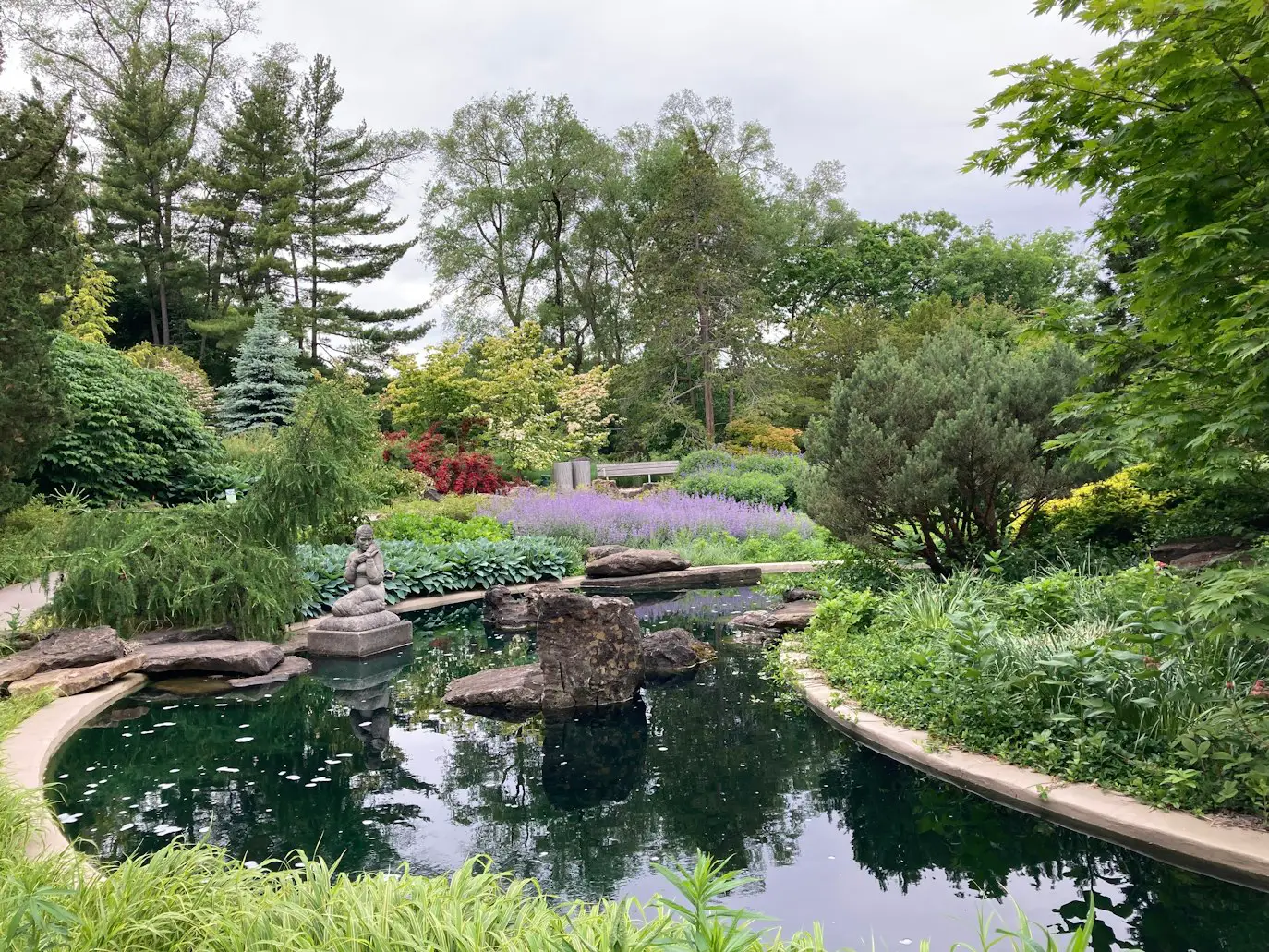

A rockery garden — also known as a rock garden or alpine garden — is one of the most visually striking and low-maintenance styles of gardening you can create. Combining stones, pebbles, and resilient plants, a rockery mimics the natural beauty of a mountain slope or hillside, adding texture and character to any outdoor space. Whether you have a large backyard or a small corner by the patio, a well-designed rockery can transform it into a peaceful, nature-inspired retreat.
In this article, you’ll learn how to plan, design, and build a rockery garden step-by-step, along with the best plants to use and essential maintenance tips.
🌸 1. Understanding What a Rockery Garden Is
A rockery garden is a landscape design that incorporates rocks, stones, gravel, and alpine plants to create a miniature natural scene. It’s ideal for sloped areas or uneven ground, as rocks help prevent soil erosion while creating visual interest. Unlike traditional gardens that depend on lush lawns or flowerbeds, rockeries emphasize texture, contrast, and natural arrangement.
The charm of a rock garden lies in its simplicity — it celebrates ruggedness and beauty without demanding constant care. This makes it perfect for gardeners who prefer a low-maintenance yet artistic outdoor space.
🪨 2. Planning Your Rockery Garden
Before you start moving stones or planting, careful planning is key. Good design makes your rockery look natural rather than artificial.
a) Choose the Right Location
The best spot for a rockery is:
- A sunny, well-drained area.
- Slightly sloping ground, which gives a natural elevation.
- A place that’s visible but not cluttered with other plants.
Avoid flat, shaded, or waterlogged areas — rock plants usually dislike excessive moisture.
b) Decide the Size and Shape
Sketch your garden layout on paper first. You can create:
- A small corner rockery near your patio or pond.
- A border rockery lining the edge of a pathway.
- Or even a large central feature on a hillside.
Keep the design asymmetrical; nature rarely looks perfectly balanced. Aim for a blend of large and small rocks.
c) Pick a Style
There are several rockery styles you can consider:
- Japanese Zen Rockery: minimal, calm, with sand or gravel.
- Alpine Rockery: features hardy mountain plants and stones.
- Cottage Rockery: blends colorful perennials with rustic rocks.
Choose one that complements your home and surroundings.
🧱 3. Choosing the Right Rocks
Rocks are the backbone of your rockery garden, so choose wisely. The goal is to make the arrangement appear as if it has always been there.
Tips for Selecting Rocks:
- Use one type of stone (limestone, granite, or sandstone) for a cohesive look.
- Choose rocks of varied sizes — some large “anchor stones” and smaller ones to fill gaps.
- Avoid overly smooth stones; rough-textured rocks hold soil and water better for plants.
- Plan for at least 30–40% of the rock’s mass to be buried below the surface for stability.
If possible, visit a local quarry or garden center to source stones that suit your region’s natural landscape.
🌱 4. Preparing the Ground
Now it’s time to prepare your garden bed — this step determines how well your rockery will drain and how long it lasts.
a) Clear the Area
Remove all weeds, grass, and roots. Dig down around 20–25 cm (8–10 inches) to make a base. This prevents future weed growth and allows you to layer materials properly.
b) Create a Drainage Layer
A good rockery needs proper drainage. Lay a base of coarse rubble, gravel, or broken bricks (about 10 cm deep). This stops waterlogging — a common cause of plant failure in rock gardens.
c) Add Soil Mixture
On top of the drainage layer, add a well-draining soil mix:
- 1 part garden soil
- 1 part compost or organic matter
- 1 part coarse sand or grit
Mix it well and firm it down gently. This soil mix allows alpine and drought-tolerant plants to thrive.
🪴 5. Arranging the Rocks
This is the creative part! Take your time arranging the stones — the goal is to make them look natural, not placed.
Steps to Follow:
- Start with the largest rocks as your base layer. Partially bury them to give the illusion they’re emerging from the ground.
- Position them at slightly different angles, mimicking how rocks would lie on a hillside.
- Fill gaps with smaller stones and gravel.
- Create small crevices or pockets where plants can grow.
Keep stepping back and viewing your arrangement from different angles. It should look balanced and organic — not like a pile of stones.
🌼 6. Selecting the Right Plants
Rockery plants should be hardy, low-growing, and able to thrive in well-drained soil. The best choices include alpines, succulents, and dwarf shrubs.
Recommended Plant Types:
Alpines:
- Saxifraga
- Phlox subulata
- Campanula (Bellflower)
- Aubrieta (Rock Cress)
Succulents:
- Sedum (Stonecrop)
- Sempervivum (Hens and Chicks)
- Echeveria
Grasses and Ferns:
- Festuca glauca (Blue Fescue)
- Small ferns for shaded corners
Flowering Perennials:
- Lavender
- Thyme
- Dianthus
Arrange your plants in clusters, mixing colors and textures. Keep taller plants toward the back or higher areas, and ground-hugging varieties near the edges.
🌦 7. Planting in the Rockery
When planting:
- Dig small holes between rocks.
- Add a little grit at the base for drainage.
- Place the plant carefully, filling around it with the soil mix.
- Firm it gently and water lightly.
Avoid overwatering — rockery plants prefer slightly dry conditions.
After planting, spread a thin layer of gravel mulch around plants. It helps retain moisture, suppress weeds, and enhances the overall look.
🌻 8. Rockery Garden Maintenance
Rock gardens are wonderfully low-maintenance, but they still need basic care to stay beautiful.
Regular Tasks:
- Weeding: Hand-pull weeds regularly, especially in the first few months.
- Watering: Light watering during dry spells — never soak.
- Trimming: Cut back dead foliage and faded flowers to encourage new growth.
- Fertilizing: Use a mild, slow-release fertilizer once a year in spring.
- Replacing Soil: Every 2–3 years, top up with fresh gritty soil if erosion occurs.
During winter, protect delicate plants from heavy frost using fleece or mulch.
🌺 9. Extra Design Ideas
To make your rockery truly unique, add decorative touches:
- Mini pond or water feature – for sound and serenity.
- Pathways of stepping stones – to access and admire plants up close.
- Solar lights – highlight rocks and plants at night.
- Sculptures or driftwood – for a rustic, natural charm.
Even small details like colored gravel or moss between stones can make a huge difference in aesthetics.
🌳 10. Common Mistakes to Avoid
- Using too many rock types – it looks messy; stick to one kind.
- Poor drainage – never skip the gravel base layer.
- Overcrowding plants – they need space to spread naturally.
- Ignoring scale – oversized rocks in a tiny garden look unnatural.
- Flat placement – always angle stones to look like part of the landscape.
Avoiding these mistakes ensures your rockery garden stays elegant and long-lasting.
🌞 Final
Creating a rockery garden is as much about art as it is about gardening. It combines creativity, balance, and patience to turn ordinary ground into something extraordinary. Once established, it becomes a low-maintenance haven full of character — where every rock and plant tells a story.
Whether you want to add a rustic touch to your backyard or create a peaceful Zen-like corner, a rockery garden offers endless design possibilities. With the right planning, materials, and care, you can enjoy this beautiful, sustainable landscape for years to come.


