


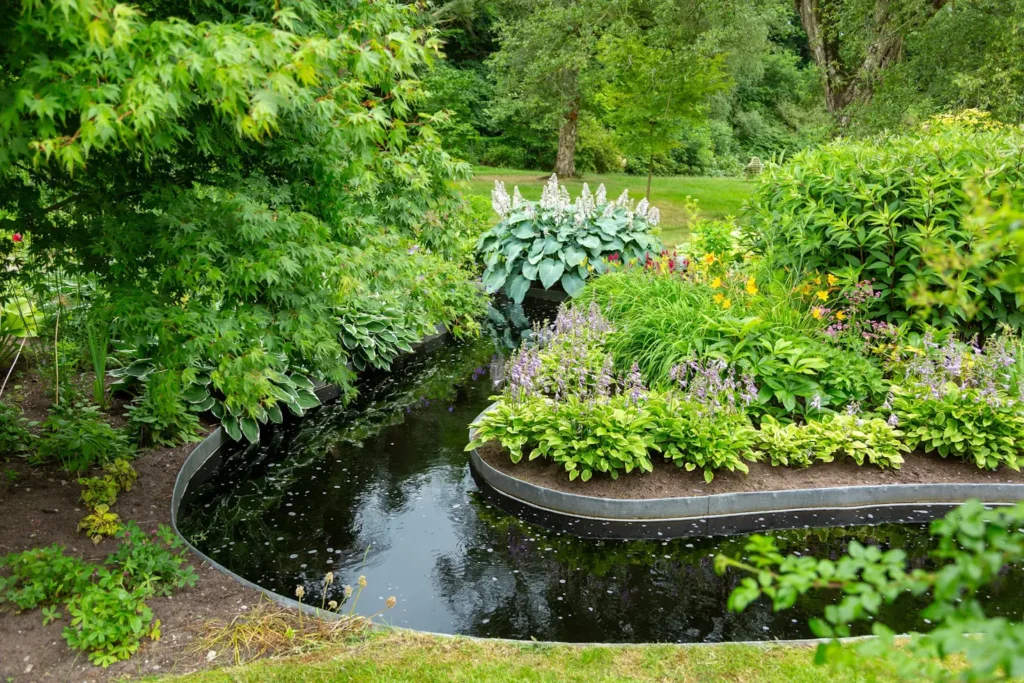
If you’ve ever admired the lush, mysterious beauty of marshlands with their irises, pitcher plants, and dragonflies hovering over mossy ground, you might be surprised to learn that you can recreate that magic in your own garden. A bog garden is a unique habitat designed to mimic natural wetlands, where the soil stays constantly moist and rich in organic matter. It’s a haven for specialized plants and a wildlife sanctuary.
Whether you have a naturally damp area in your yard or want to construct one from scratch, creating a bog garden is both environmentally rewarding and surprisingly simple. Here’s a complete guide to designing, building, and maintaining your very own backyard bog.
What Is a Bog Garden?
A bog garden is a wet, low-lying area designed to retain water and provide the constantly moist, acidic conditions that many specialized plants thrive in. Unlike a pond, which holds standing water, a bog garden has saturated soil that is wet but not flooded. The water level typically sits just below the surface, keeping the ground spongy and oxygen-poor.
In nature, bogs form in areas with poor drainage and high rainfall, where plant matter decomposes slowly, creating peat. While recreating a true peat bog isn’t practical or sustainable, gardeners can build artificial bog gardens using liners, compost, and clever water management.
Why Make a Bog Garden?
Aside from their striking beauty, bog gardens offer a host of benefits:
- Biodiversity: Bog gardens attract frogs, toads, dragonflies, and pollinators.
- Water management: They can help absorb excess rainwater in poorly drained spots.
- Unique planting opportunities: You can grow exotic and native moisture-loving species rarely found in regular beds.
- Sustainability: Bog gardens reduce lawn space and support wetland conservation awareness.
If you have a naturally soggy patch that never seems to dry out, transforming it into a bog garden is a perfect way to turn a problem area into an ecological treasure.
Creating this habitat significantly boosts your garden’s ecosystem; you can learn more about the specific wildlife benefits of bog gardens from conservation experts.
Step 1: Choosing the Right Location
The best location for a bog garden is a low-lying, poorly drained area that already holds moisture. If your garden has a spot where water tends to collect after rain, that’s ideal. Otherwise, choose a location near a water source (like a pond, rain barrel, or downspout) for easy irrigation.
A bog garden thrives in partial sunlight, around 4–6 hours of sunlight a day. Too much shade can make it too damp and encourage moss or algae, while full sun may dry it out faster.
Avoid placing it under large trees, since roots will compete for moisture and could puncture your liner later on.
Step 2: Designing the Bog
A well-designed bog garden should look natural and blend into its surroundings. If you are looking for creative bog garden ideas, consider incorporating curved edges, stepping stones, or even a small bridge to make the space more interactive. Before you dig, sketch out the shape. Irregular, curving edges look more organic than straight lines.
Consider:
- Depth: Bogs should be around 45–60 cm (18–24 inches) deep.
- Size: Even a small bog (1–2 square meters) can support a range of plants.
- Water source: If you have a pond, place your bog on one edge to create a seamless transition between aquatic and terrestrial habitats.
For smaller yards, you can also make a container bog using a half-barrel or large trough.
Step 3: Building the Bog Garden
Here’s how to create your bog step by step.
Materials You’ll Need:
- Spade or shovel
- Pond liner or heavy-duty plastic sheeting
- Sand
- Peat-free compost or coir
- Gravel (optional)
- A hose or rainwater source
Step 3.1: Dig the Hole
Dig your chosen area to about 45–60 cm deep, keeping the sides fairly even. Pile the excavated soil nearby—you may reuse some later for landscaping.
Step 3.2: Lay the Liner
Place a pond liner inside the hole to retain moisture. You don’t want it completely watertight, so pierce small holes in the bottom every 30–40 cm. This allows a slow release of water, preventing stagnation while keeping the soil damp.
Trim any excess liner, leaving a small overlap around the edges that can be hidden with rocks or plants.
Step 3.3: Add the Base Layers
Add a thin layer of sand (around 5 cm) to the base for drainage and to prevent sharp stones from puncturing the liner.
Next, fill the hole with a mixture of peat-free compost, topsoil, and sand in equal parts. This creates the spongy, acidic, low-nutrient conditions that bog plants love. Avoid manure or rich composts; they’re too fertile.
Step 3.4: Water Thoroughly
Once filled, soak the soil with rainwater until it’s saturated. Tap water can contain lime, which raises pH levels, so rainwater is best. Allow the bog to settle for a few days before planting.

Step 4: Choosing the Right Plants
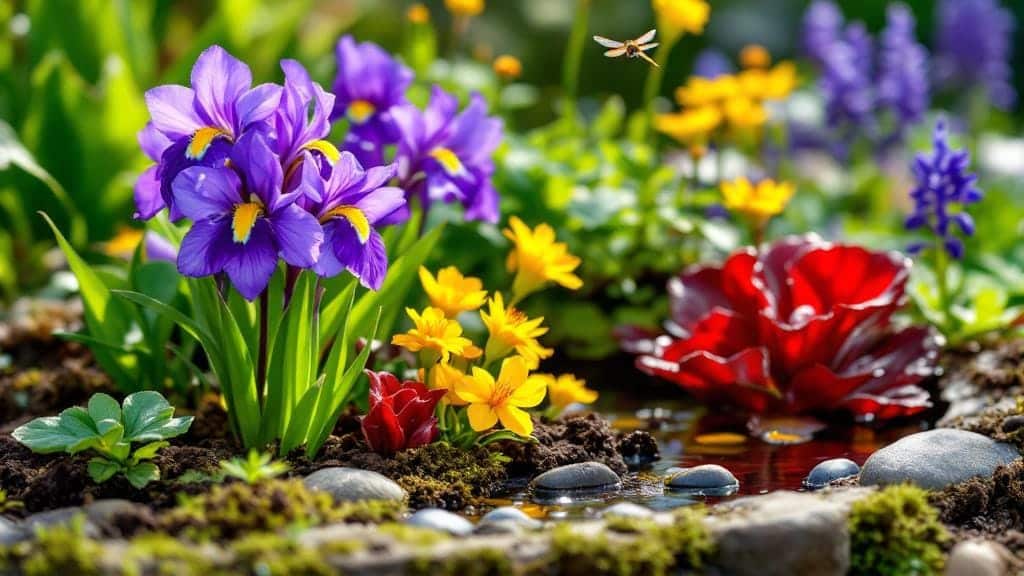
Bog plants are adapted to constant moisture and low oxygen levels. Some prefer the drier edges, while others thrive in wetter central zones. Mixing native and ornamental species adds both beauty and biodiversity.
Edge Plants (Moist but Not Waterlogged)
- Primula vialii (orchid primrose) has striking purple-red flower spikes.
- Astilbe – feathery plumes in pink, white, or red.
- Hosta – lush foliage that enjoys moist shade.
- Iris sibirica (Siberian iris) has elegant blue-purple blooms.
Mid-Zone Plants (Constantly Damp Soil)
- Ligularia – large-leaved, bold plants with yellow flowers.
- Marsh marigold (Caltha palustris) – cheerful golden blooms in spring.
- Ragged robin (Lychnis flos-cuculi) – delicate pink flowers.
- Lobelia cardinalis – brilliant red spikes that attract hummingbirds and bees.
Central Wet Zone (Near Standing Water)
- Pitcher plants (Sarracenia spp.) – carnivorous and dramatic.
- Bogbean (Menyanthes trifoliata) – floating leaves and starry white flowers.
- Cotton grass (Eriophorum angustifolium) – fluffy white tufts that sway in the breeze.
Group plants with similar moisture needs together and arrange taller species toward the back for depth.
For a more dramatic look, you can also incorporate tall grass that grows in wet areas, which provides excellent structure and shelter for backyard wildlife.
Step 5: Maintenance and Care
A bog garden is relatively low-maintenance once established, but it does need some care to stay healthy.
Watering
The key to success is consistent moisture. Check the soil regularly if it begins to dry out; top it up with rainwater. During hot summers, adding a layer of mulch (such as leaf litter or coir) can help retain moisture.
Weeding
Remove weeds promptly, as they compete for space and nutrients. Avoid using chemical weedkillers, which can harm delicate bog plants and wildlife.
Feeding
Bog plants are adapted to nutrient-poor conditions, so avoid fertilizers. Excess nutrients can lead to algae and unwanted growth.
Dividing and Pruning
Every few years, divide crowded plants in spring or early autumn. This keeps them vigorous and prevents overcrowding. Trim dead foliage in late winter to make room for new growth.
Step 6: Encouraging Wildlife
One of the most rewarding parts of a bog garden is the wildlife it attracts.
- Frogs and toads use damp soil for breeding and shelter.
- Dragonflies and damselflies hover over wet areas to lay eggs.
- Bees and butterflies flock to flowering plants.
- Birds visit to drink and forage for insects.
Avoid pesticides and provide small logs or stones for shelter. If you have a pond nearby, your bog will naturally extend the habitat, creating a thriving mini-ecosystem.
Step 7: Seasonal Care
Bog gardens change beautifully through the seasons:
- Spring: Marsh marigolds and primulas burst into bloom.
- Summer: Lush greens and vibrant irises dominate.
- Autumn: Seed heads add texture; foliage turns bronze and gold.
- Winter: While dormant, the bog remains a refuge for insects and amphibians.
To protect sensitive plants in harsh winters, add a light mulch of leaves or straw.
Sustainable Tips
When building your bog garden, keep it eco-friendly:
- Use peat-free compost to protect natural peatlands.
- Collect rainwater rather than using tap water.
- Choose native species to support local biodiversity.
- Reuse recycled materials for edging or decoration.
These practices ensure your garden remains a model of sustainability and environmental care.
A bog garden is more than a decorative feature; it’s a living ecosystem that celebrates the beauty of wetlands and supports the creatures that depend on them. Whether you have a large yard or just a corner to spare, this project connects you to nature in a deep and meaningful way.
By following these steps, choosing the right spot, building a water-retentive base, planting moisture-loving species, and caring for your mini-wetland, you’ll create a thriving, tranquil space that hums with life and color throughout the year.
So roll up your sleeves, grab your shovel, and let the magic of the bog transform your garden into a lush, living landscape.