


If you’re struggling with raccoons digging up plants, knocking over pots, or stealing your vegetables, you’re not alone. Learning how to keep raccoons out of garden spaces is essential for protecting your hard work. Raccoons are clever and persistent, especially if they find easy access to food or shelter. But the good news is that there are effective ways to deter them without causing harm. From securing your compost to installing smart deterrents, the right techniques can help keep raccoons out of garden beds and ensure your crops survive the season. Here’s how to get started.
Your garden isn’t a raccoon buffet. Here’s how to keep it that way
Raccoons love easy meals, and a thriving garden is like a buffet to them. To stop them, start by removing anything that attracts them, such as open trash, pet food, and fallen fruit, which are major culprits. Consider installing a raccoon-proof fence at least four feet tall with a floppy top they can’t climb. Add motion-activated lights or sprinklers to catch them off guard. These simple steps can make your garden less appealing. Taking proactive measures early helps you avoid bigger problems later. Ultimately, a clean, well-secured yard is the first defense to keep raccoons out of garden spaces.
Cute, clever, and totally destructive, stop raccoons before they ruin your crops
Raccoons are undeniably smart and curious, but that makes them dangerous for your crops. They’re known to open latches, climb fences, and dig with precision. To prevent them from causing damage, use physical barriers, such as netting or hardware cloth, around vulnerable plants. Avoid planting high-sugar crops like corn near the edge of your garden, as these attract raccoons the most. Use strong-smelling natural repellents such as garlic or peppermint oil around garden borders. These methods are humane and effective, helping you keep raccoons out of garden beds without harming wildlife.
Woke up to trampled plants and missing veggies? You’ve got a raccoon problem
If you find broken stems, overturned soil, or missing produce in the morning, chances are a raccoon visited during the night. These nocturnal creatures are expert scavengers, and gardens offer easy pickings. Start by inspecting your yard for raccoon tracks or droppings. Then, secure compost bins, chicken coops, and garden gates tightly. A motion-sensor camera can help confirm if raccoons are the culprits. Once identified, it’s time to set up deterrents and remove all attractants. Acting quickly is essential to get raccoons out of garden areas before they become regular visitors.
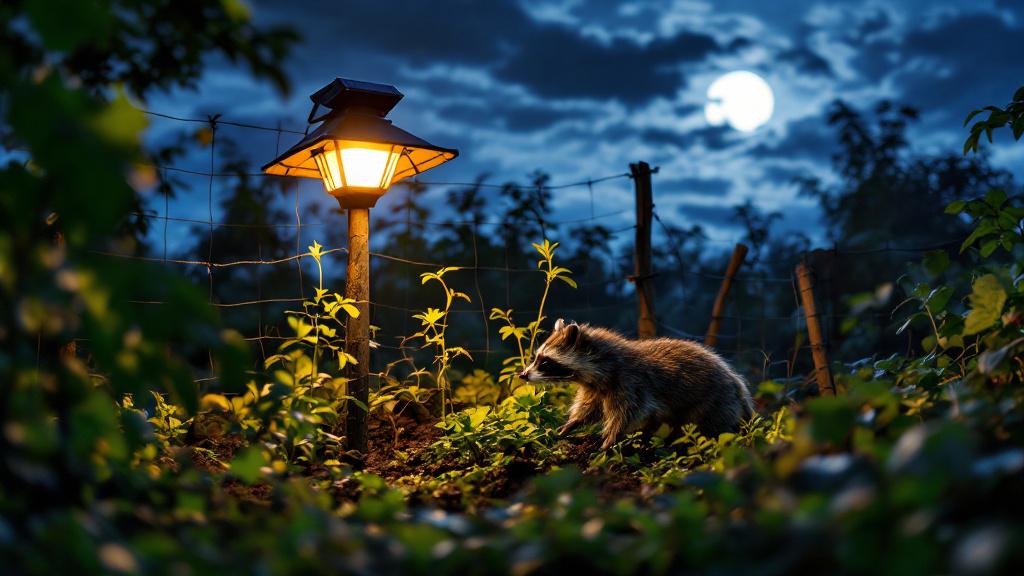

They raid at night, but you can fight back and keep raccoons out with these proven methods
Since raccoons are active at night, nighttime defenses are key. Motion-activated lights or sprinklers work well to startle and scare them off. You can also lay down reflective tape or aluminum pans to create noise and confusion. Some gardeners use ultrasonic animal repellents, though results may vary. Using a combination of these proven tactics will strengthen your defense.
For more humane and safe ways to manage local wildlife, you can refer to the Humane Society’s guide on raccoon deterrents to ensure you’re protecting your crops effectively. Make sure your fence is buried at least 6 inches deep to prevent digging. Using a combination of these proven tactics will strengthen your defense and help keep raccoons out of garden areas, even while you sleep peacefully inside.
Raccoons are smart, but your garden defenses can be smarter
Raccoons can figure out simple barriers, so you’ll need to be a step ahead. Use locking lids on compost bins and bungee cords on gate latches. Cover your plants with wire mesh cloches or floating row covers at night. Natural scent deterrents like predator urine (from garden stores), vinegar, or citrus peels can confuse their senses. Rotate deterrents every few weeks so they don’t adapt. When you combine strategy with consistency, it becomes much easier to keep raccoons out. With some planning, you can outsmart them and get raccoons out of garden beds for good.
If raccoons are treating your garden like their playground, it’s time to shut it down
Don’t wait for raccoons to strike; protect your garden now before it’s too late
Raccoons often return to places they’ve successfully raided. If your garden is a regular stop, it’s time to shut it down not the garden, but their access. Start with a full cleanup of the yard: remove debris, pet food, and low-hanging fruit. Install a tall, floppy-top fence and use strong-smelling deterrents near entry points. Reinforce trash can lids and secure all food sources. Don’t delay action; raccoons quickly teach their young where to find food. Acting now ensures you get raccoons out of garden areas before they take over.
One raccoon can undo a month’s worth of planting. Learn how to stop them today
All it takes is one determined raccoon to destroy weeks of hard gardening. These animals aren’t just foraging; they dig, topple, and trample in the process. To prevent this, reinforce your garden with barriers and check it every few days for signs of digging or chewing. Use repellents and reflective objects to keep them uneasy. Keep your watering schedule in the morning so there’s no moisture attracting them at night. Every effort counts, and stopping just one raccoon early can save your entire harvest. Keeping raccoons out of garden beds starts with daily vigilance.
Tired of sharing your harvest with raccoons? Take control with these simple steps
You worked hard to grow those tomatoes; don’t let raccoons enjoy them first. Begin by identifying how they’re getting in, then seal off those entry points. Trim tree branches that give them easy access and store garden tools securely. Sprinkle cayenne pepper or use garlic spray around your plants to make the space less inviting. Also, consider companion planting with herbs like mint or lavender, which raccoons dislike. Consistency is key to keeping raccoons out of your space. With a little effort, you can finally get raccoons out of garden rows for good.
Gardening should be peaceful, not a nightly battle with masked bandits
Gardening is meant to be relaxing, not a nightly game of defense against sneaky raccoons. But with the right tactics, you can win. Combine fencing, repellents, motion devices, and smart planting strategies to build a garden that’s raccoon-resistant. Remember, raccoons are creatures of habit. Once you disrupt their pattern and make your garden an unwelcoming zone, they’ll move on. Stay alert and adapt your approach as needed.
A well-protected garden means less stress, more food, and the peace of knowing the raccoons’ out-of-garden problem is finally under control. A well-protected garden means less stress, more food, and peace of mind. If you want to see the latest smart deterrents, motion-sensor gadgets, or professional fencing in person, attending a local event like the Bozeman Spring Show, which is the same as Home and Garden Show can provide you with great ideas and expert advice for your backyard security.