
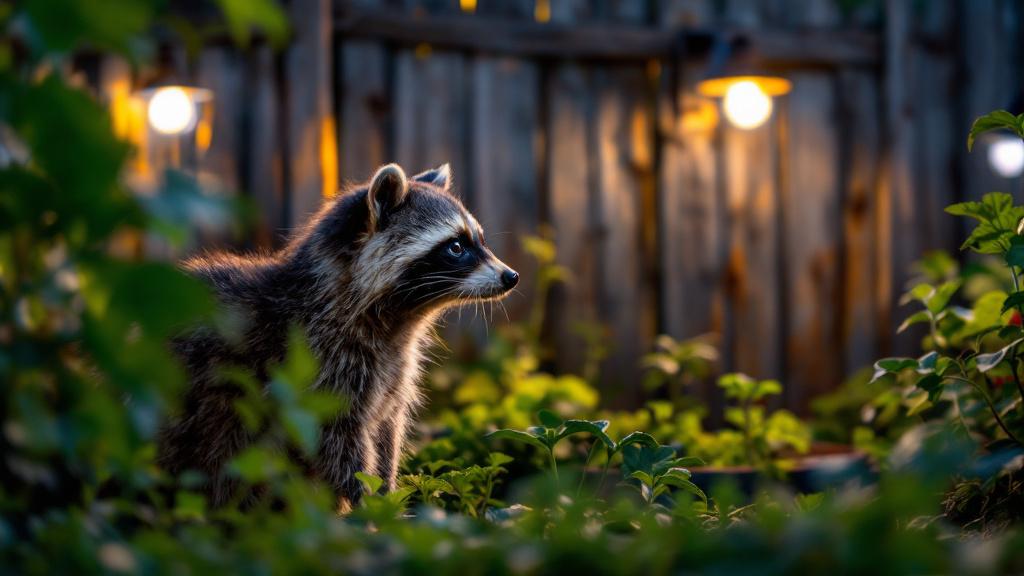
There’s something almost impressive about the sheer cleverness of a raccoon until you wake up to find your carefully tended sweet corn shredded and your compost bin turned upside down. If you’ve been losing sleep over these masked ‘trash pandas’ treating your backyard like a midnight buffet, you’re definitely not alone. Learning how to keep raccoons out of garden beds is a top priority for any gardener who wants to protect their hard-earned harvest from these persistent nighttime raiders.
The challenge is that raccoons aren’t just hungry; they are incredibly adaptable and possess nimble paws that can work through almost any basic latch or fence. To truly succeed, you need a strategy that targets their senses and removes the invitation entirely. In this guide, we’ll show you exactly how to keep raccoons out of garden spaces using a mix of natural repellents, physical barriers, and simple maintenance hacks. From motion-activated surprises to the right kind of fencing, here is how you can reclaim your outdoor sanctuary and keep your plants safe once and for all.
Understanding Raccoon Behavior: Why They Target Your Garden
Raccoons are opportunistic feeders attracted to gardens because of abundant food sources like fruits, vegetables, and pet food. They are mostly active at night, using their sensitive paws to dig and explore. Gardens with compost bins, open trash cans, or bird feeders provide easy meals, encouraging raccoons to return regularly. Additionally, dense shrubs and garden structures offer shelter and safe hiding spots. Understanding this behavior helps in designing effective methods to keep raccoons out of garden areas by eliminating food temptations and limiting access to shelter. Raccoons are large pests that cause obvious mess, but small insects can be just as destructive; it is equally important to learn how to get rid of pill bugs in garden areas to protect your seedlings from the bottom up.
How to Identify Raccoon Damage Quickly and Accurately
Recognizing signs of raccoon activity early is crucial to preventing extensive damage. Common indicators include overturned soil, dug-up plants or bulbs, damaged fruits and vegetables, and scattered trash. Raccoon footprints, which resemble small human handprints, are often visible in soft soil or mud. You may also notice shredded leaves or claw marks on fences and structures. Timely identification enables swift action to keep raccoons out of garden spaces before they cause significant harm or multiply their visits.
Using Natural Scents to Make Your Garden Unwelcome to Raccoons
Certain natural scents are highly effective at deterring raccoons without harming them or the environment. Strong-smelling substances like ammonia, vinegar, or garlic spray can be applied around vulnerable plants or entry points to discourage raccoon visits. Additionally, commercial predator urine (such as coyote or fox) mimics natural threats and often keeps raccoons at bay. Regularly refreshing these scent barriers helps maintain their effectiveness. Incorporating these natural repellents is a safe, eco-friendly way to keep raccoons out of garden areas.
Homemade Raccoon Repellents That Really Work
DIY repellents offer cost-effective solutions to keep raccoons out of garden spaces. A simple mix of water, hot sauce, and dish soap sprayed around plants creates an unpleasant taste and smell for raccoons. Another popular repellent is a blend of crushed garlic and cayenne pepper in water. Spraying these mixtures weekly, especially after rain, discourages raccoons from returning. Using bright lights or hanging reflective objects can also startle and deter nocturnal visitors. Homemade repellents work best when combined with other preventive measures.
Installing Barriers: Creative Fencing Solutions for Raccoon Proofing
Physical barriers are one of the most reliable ways to keep raccoons out of garden areas. Installing sturdy fences at least four feet high with an added outward-facing overhang or electric wire prevents climbing. Using hardware cloth with small mesh sizes to protect raised beds or compost bins is also effective. Ensure gates close securely without gaps. Additionally, bury fencing at least 6–12 inches underground to deter digging. Creative fencing solutions tailored to your garden’s layout form a critical part of a raccoon-proof defense system.
Do Ultrasonic Devices Actually Deter Raccoons?
Ultrasonic devices emit high-frequency sounds intended to repel pests, but their effectiveness against raccoons is debated. Some gardeners report success using motion-activated ultrasonic repellents combined with lights and sprinklers, while others see little impact, as raccoons may habituate to the noise. These devices are best used as part of a multi-layered approach, including physical barriers and scent repellents. When used properly and repositioned regularly, ultrasonic devices can contribute to efforts to keep raccoons out of garden spaces.
Plant Choices That Discourage Raccoons from Visiting Your Garden
Certain plants naturally discourage raccoons due to their strong scents or textures. Thorny plants like roses or holly, aromatic herbs such as rosemary, lavender, and mint, and prickly ground covers create barriers raccoons prefer to avoid. Incorporating these into garden borders or near vulnerable areas reduces appeal. Choosing less palatable fruits and vegetables can also minimize attraction. Thoughtful plant selection complements other deterrent methods to maintain a raccoon-free garden environment.
Effective Timing: When Raccoons Are Most Active and How to Protect Your Garden
Raccoons are primarily nocturnal, with peak activity occurring from dusk to dawn. Knowing this helps you schedule garden maintenance and deterrent applications for maximum effect. For example, setting up motion-activated lights or sprinklers in the early evening can startle raccoons before they enter. Avoid leaving pet food or trash accessible overnight. Timing watering and feeding schedules to daytime hours reduces nighttime attractants, helping you keep raccoons out of garden areas more efficiently. The common raccoon, scientifically known as Procyon lotor, is native to North America and highly recognized for its masked face.
How to Secure Compost Bins and Trash to Avoid Attracting Raccoons
Compost bins and trash cans are prime food sources for raccoons. Secure these containers with tight-fitting lids and heavy-duty locks to prevent raccoon access. Use metal bins or reinforced plastic containers rather than flimsy options. Placing bins on raised platforms or inside fenced areas adds an extra layer of security. Regularly turning compost and avoiding food scraps like meat or dairy helps minimize odors that attract raccoons. Proper waste management is essential to keeping raccoons out of garden spaces.
Tips for Maintaining a Raccoon-Free Garden Year-Round
Long-term success in keeping raccoons out of garden areas requires consistent maintenance. Regularly inspect fences, gates, and potential entry points for damage or gaps. Keep the garden clean by removing fallen fruit, trimming dense shrubs, and storing pet food indoors. Rotate repellents and deterrents to prevent raccoons from adapting. Stay vigilant during breeding and denning seasons when raccoon activity increases. Combining natural, physical, and behavioral strategies ensures a healthy, raccoon-free garden throughout the year.


