


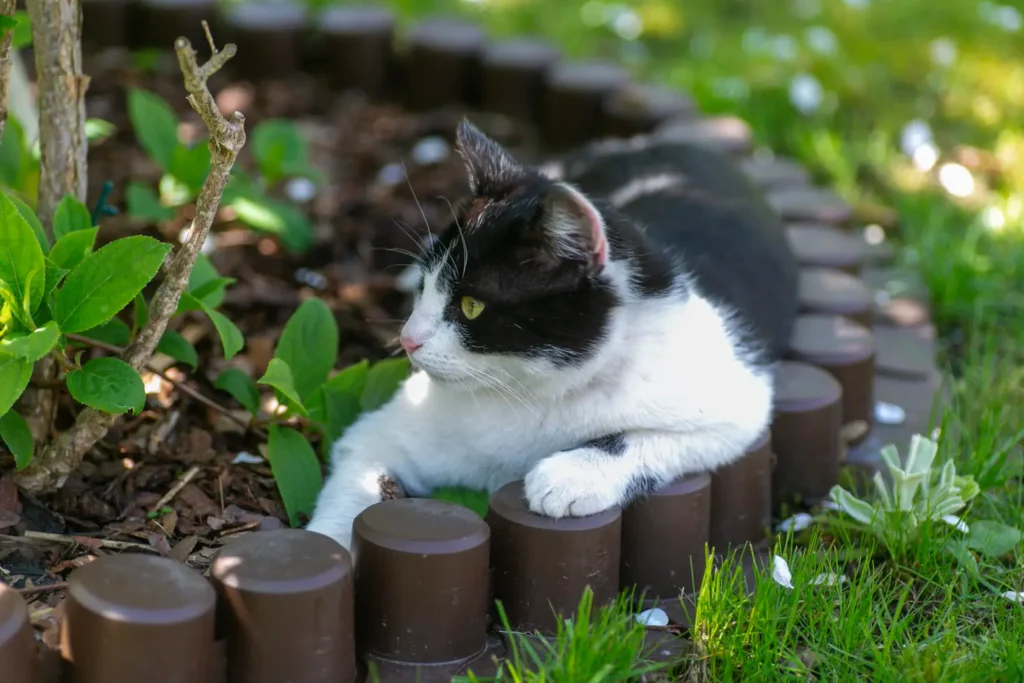
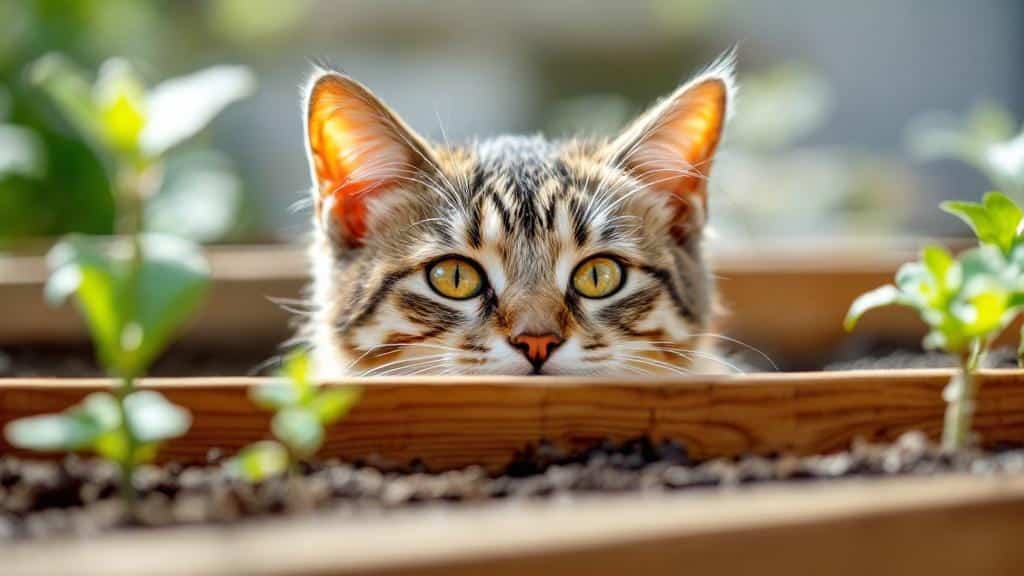
Raised garden beds are a gardener’s dream; they improve soil drainage, reduce weeds, and make planting and harvesting more accessible. However, they can also attract unwanted visitors, especially neighborhood cats. While many cats are beloved pets, their digging and use of garden beds as litter boxes can wreak havoc on plants. Fortunately, there are numerous humane and effective ways to discourage cats from entering raised beds. Understanding cat behavior and using strategic measures can help you protect your garden while keeping furry neighbors safe.
Why Cats Are Attracted to Raised Garden Beds
Cats are naturally drawn to raised garden beds for several reasons:
- Soft soil for digging: The loose, tilled soil in raised beds is perfect for cats to dig, knead, or bury waste.
- Sun exposure: Raised beds are often in sunny spots, which cats love for lounging and napping.
- Scent marking: Outdoor cats may use your raised bed as a territory marker.
- Hunting opportunities: Gardens attract birds, rodents, and insects that appeal to a cat’s hunting instincts.
Understanding why cats are drawn to your raised beds is the first step in developing a strategy to keep them out.
Physical Barriers
One of the most effective ways to prevent cats from entering the garden bed is to use physical barriers. These methods prevent access while keeping cats unharmed.
- Netting and Fencing
Installing a fine mesh or chicken wire fence around the raised bed creates a physical barrier that cats cannot penetrate. The mesh should be buried a few inches below the soil to prevent cats from digging underneath. For a less permanent option, place garden netting over the top of the bed. Not only does this protect plants from cats, but it also keeps birds away. - Plant Covers
Floating row covers or garden fabric can protect seedlings and soft soil areas. Cats dislike walking on these materials, especially if they are taut over the soil. This method is particularly useful for beds with delicate plants that are frequently targeted. - Decorative Mulch with Texture
Cats dislike walking on certain textures. Adding coarse mulch such as pine cones, gravel, or small stones can make the bed uninviting. While plants still have access to soil moisture, the rough texture discourages digging. Avoid sharp materials that could harm the cat or yourself.
Repellents
Cats have highly sensitive noses and are deterred by certain scents. Using natural or commercial repellents can discourage them from visiting your raised beds.
- Citrus Peels
Cats generally dislike the smell of citrus. Placing orange, lemon, or lime peels around your plants can deter them from entering the area. Refresh the peels regularly to maintain their effectiveness. - Coffee Grounds
Used coffee grounds are slightly abrasive and have a strong scent that cats find unpleasant. Sprinkle them lightly over your soil to create a natural deterrent while also enriching the soil with nutrients. - Commercial Cat Repellents
There are safe sprays available that use scents cats avoid, such as eucalyptus or certain herbal blends. These products are designed for outdoor use and are safe for plants when applied according to instructions. - Plant Deterrents
Certain plants are known to repel cats. Consider planting Coleus canina, also called “Scaredy Cat Plant,” or rue along the edges of your raised bed. Their scent keeps cats away while still adding greenery to your garden.
Using natural or commercial repellents can discourage them from visiting your raised beds. You can research more on the science behind humane cat deterrent methods to ensure your garden remains a safe space for everyone.

Motion and Noise Deterrents
Cats are cautious animals and can be startled by sudden movements or sounds. Strategically placed devices can create a safe, cat-free zone.
- Motion-Activated Sprinklers
These sprinklers detect movement and spray a short burst of water, which cats dislike. Motion-activated sprinklers are highly effective, especially for outdoor cats that visit regularly. The sudden spray is safe and harmless but memorable enough to discourage repeated visits. - Ultrasonic Repellents
These devices emit a high-frequency sound that is unpleasant to cats but generally inaudible to humans. Place them near the raised bed for continuous protection. Keep in mind that effectiveness can vary depending on the outdoor environment and range of the device. - Wind Chimes and Reflective Surfaces
Cats are startled by unexpected sounds and reflections. Hanging lightweight chimes, reflective tape, or old CDs near your raised bed may deter them from entering. While not foolproof, these simple tools can complement other strategies.
Habitat Modification
Changing your garden environment can reduce the appeal of your raised beds to cats.
- Remove Hiding Spots
Cats like to hide in shrubs, under furniture, or in piles of debris near gardens. Clearing these areas can make your yard less attractive to them. - Avoid Loose Soil or Sand Piles
Cats are drawn to sandy, loose soil for digging. Cover exposed soil with mulch, decorative stones, or ground cover plants to reduce temptation. - Create a Cat-Friendly Area Elsewhere
Providing a designated area with soft sand or soil far from your raised bed can encourage cats to use that space instead. This redirection method keeps cats happy while protecting your vegetables and flowers.
Behavioral and Community Considerations
If the cats visiting your garden are neighborhood pets, it’s important to address the situation humanely and collaboratively.
- Talk to Neighbors
If the cats belong to neighbors, discuss the problem politely. Many cat owners will take steps to keep their pets away from your garden if asked. - Avoid Punishment or Harm
Never trap, poison, or harm cats. Not only is this illegal in many areas, but it is also unsafe and unethical. Humane solutions are effective and keep your garden and neighborhood cats safe. - Regular Monitoring
Observe when and how cats visit your raised beds. Early morning or evening may be their preferred times. Adjust deterrents and barriers accordingly to maximize effectiveness.
Combining Methods for Maximum Effect
The most successful strategies typically combine several approaches:
- Physical barriers like netting or mulch make your raised bed inaccessible.
- Repellents discourage cats from lingering nearby.
- Motion detectors or sprinklers reinforce avoidance behavior.
- Habitat modifications reduce the overall attractiveness of the area.
By layering these strategies, you create a consistently unappealing environment for cats without harming them. Over time, most cats learn to avoid the raised bed altogether.
Additional Tips for Raised Bed Protection
- Keep raised beds clean: Remove fallen fruit, vegetables, or debris that might attract cats or rodents.
- Plant densely: Thickly planted beds leave less exposed soil for digging.
- Harvest regularly: Ripened fruit or vegetables can draw cats, so keep produce picked.
- Use row covers temporarily: Covering newly planted seedlings with floating row covers protects them until they are established.
Thickly planted beds leave less exposed soil for digging, making them less attractive to cats. To find the best high-density crops, check out our guide to what to plant in a raised garden bed for a productive and cat-resistant garden.
Cats in raised garden beds can be frustrating, but they don’t have to be a permanent problem. By understanding why cats are attracted to your garden and using a combination of humane deterrents, you can protect your plants effectively. Physical barriers, natural repellents, motion-activated devices, and environmental modifications all work together to make raised beds unappealing to cats. Communicating with neighbors and avoiding harmful methods ensures that both your garden and the feline visitors remain safe. With consistent effort and a thoughtful approach, your raised garden beds can flourish without the disruption of digging cats, allowing you to enjoy healthy plants, bountiful harvests, and beautiful flowers.