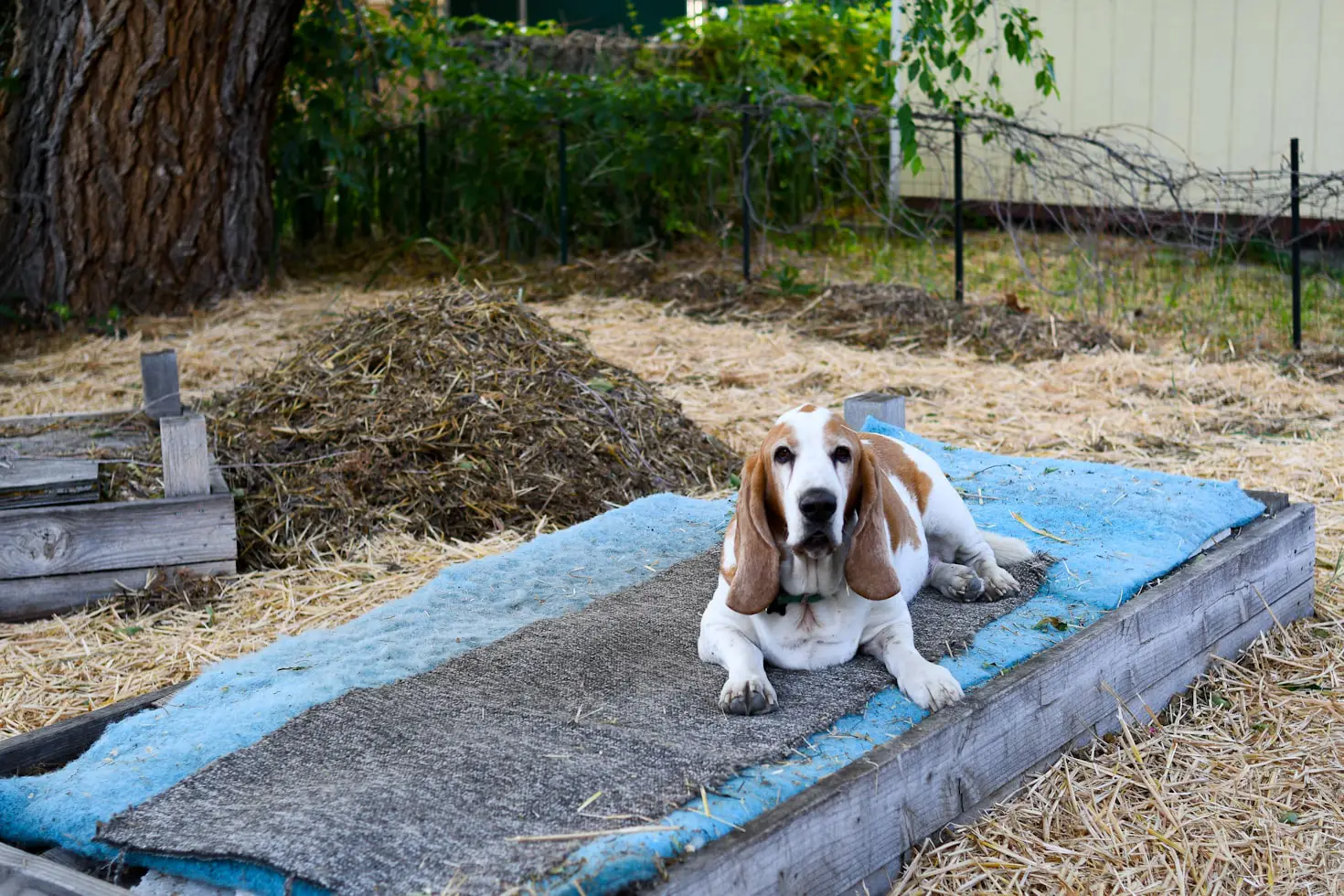

Raised garden beds offer incredible benefits from superior soil control to better drainage, but they also come with a catch: they’re an open invitation for uninvited guests. Whether it’s rabbits, squirrels, or the neighbor’s curious cat, wildlife often sees your raised bed as a five-star buffet. If you’ve ever walked out to find your prize-winning lettuce nibbled to the ground, you know how frustrating it can be.
The good news is that you don’t have to share your harvest. Learning how to effectively keep animals out of your raised garden beds is the final step in protecting your hard work and ensuring a thriving garden.
In this guide, we’ll explore the most reliable, humane methods to defend your beds from physical barriers and clever design to natural scents and deterrent plants. Let’s turn your garden from a wildlife snack bar back into your private sanctuary.
1. Know Your Visitors
Before you decide how to keep animals out, it helps to identify which garden pests are causing trouble. Different pests require different defenses.
Common culprits include the following:
- Rabbits: Eat tender greens and seedlings; chew stems cleanly.
- Deer: Munch on almost anything, especially at night.
- Squirrels and chipmunks: Dig up seeds or bury nuts.
- Raccoons: Pull up plants and raid fruiting crops.
- Groundhogs tunnel under beds to reach roots and greens.
- Cats and dogs: Dig, roll, or use the bed as a litter box.
- Birds: Peck at fruit and seedlings.
Look for clues, footprints, droppings, bite marks, or tunnels to determine the likely culprit. Once you know who’s invading, you can target your defenses.

2. Physical Barriers: The Most Reliable Solution
The most effective way to keep animals out of raised beds is to physically block access. While scents or sprays may help, barriers provide lasting, weather-resistant protection.
a. Fencing
Fencing works for almost all animals if designed correctly.
- Rabbits: A 2–3 ft fence made of ½-inch hardware cloth works best. Bury the bottom 6–8 inches underground and bend it outward to prevent digging.
- Deer: Need tall fences—at least 6–8 ft high. You can use sturdy plastic mesh or metal wire.
- Groundhogs: Require buried barriers at least 12 inches deep.
- Squirrels: Often climb over; for them, combine fencing with a mesh or cover system.
Tip: Slanting the fence outward at a 45-degree angle deters climbers like raccoons or cats.
b. Hardware Cloth Liners
For burrowing pests such as voles or moles, line the bottom of the raised bed with hardware cloth (¼–½ inch mesh) before filling it with soil. This keeps animals from tunneling up into the garden.
c. Garden Covers or Cages
Build removable cages using PVC, wood, or metal frames covered with chicken wire, hardware cloth, or plastic mesh.
- These protect from birds, squirrels, rabbits, and even deer.
- Hinged tops make it easy to access plants for weeding or harvest.
You can create simple hoop tunnels covered with bird netting or floating row covers, useful for smaller beds and low-growing crops.
d. Raised Bed Height
Simply raising your bed higher can discourage smaller animals. Beds 24–30 inches tall deter rabbits and make it harder for pests to jump in.
3. Odor and Taste Deterrents
Some gardeners prefer natural repellents instead of barriers, especially for small gardens or aesthetic reasons. These can be effective, though they often need reapplication after rain.
a. Homemade Sprays
Try these natural repellents:
- Garlic-pepper spray: Blend garlic cloves, chili peppers, and water. Let it steep and then spray it on leaves.
- Vinegar or ammonia spray: The strong odor discourages raccoons and cats.
- Egg spray: Mix eggs with water and a little dish soap; the sulfur smell repels deer and rabbits.
b. Commercial Repellents
Store-bought products like Liquid Fence, Critter Ridder, or Deer-Off contain safe, odor-based deterrents (garlic, putrescent egg solids, or capsaicin). Always reapply after rainfall.
c. Scent Tricks
Animals rely on scent for safety. Introducing predator smells can make them think danger is nearby.
- Sprinkle used cat litter (from indoor cats) or hair clippings around the perimeter.
- Use blood meal or bone meal nutrient sources that also smell like predators.
- Hang bars of Irish Spring soap or dryer sheets near beds to repel deer and rabbits.
4. Motion-Activated Devices
Modern technology can outsmart wildlife. Motion-activated deterrents scare animals without harming them.
a. Motion-Activated Sprinklers
When movement is detected, they emit a short burst of water, startling but harmless. Effective for deer, cats, raccoons, and even birds.
b. Ultrasonic Devices
These emit high-frequency sounds that humans can’t hear, but that bother many animals. Effectiveness varies, so test placement and adjust angle/distance.
c. Lights and Alarms
Motion lights or noise emitters discourage nocturnal visitors like raccoons or deer. Flashing LED “predator eyes” can also deter animals that avoid open light.
5. Companion Planting and Scented Borders
Nature itself can help keep pests away. Some plants release odors that animals dislike or mask the scent of edible crops.
Good border choices include:
- Marigolds: Repel rabbits and some insects.
- Lavender, rosemary, and sage: Strong aromas deter deer and rabbits.
- Garlic and onions: Their smell repels many animals.
- Mint: Effective against rodents—though best grown in pots to prevent spreading.
By surrounding your raised bed with these herbs and flowers, you create a scent barrier that complements physical fencing.
6. Keep Things Clean and Uninviting
Many animals visit gardens not only for plants but also for shelter, water, or leftover food. Make your raised bed less appealing:
- Remove fallen fruit, vegetables, or birdseed nearby.
- Eliminate hiding spots—keep weeds, brush, and woodpiles trimmed away.
- Avoid leaving pet food outside.
- Install tight-fitting compost lids—compost piles attract raccoons and rats.
- Use mulch wisely: Too thick a layer can shelter insects or rodents; keep it moderate.
7. Managing Specific Animal Threats
a. Rabbits
- Use fencing with ½-inch hardware cloth 2–3 ft high.
- Sprinkle cayenne or black pepper powder around the edges.
- Surround crops with aromatic herbs like thyme or oregano.
b. Deer
- Install 6–8 ft of fencing or double fences spaced 3 ft apart.
- Motion sprinklers and soap bars hung on stakes work well.
- Plant deer-resistant species (lavender, yarrow, and echinacea) near edges.
c. Squirrels and Chipmunks
- Cover beds with mesh during the seedling stage.
- Offer alternative feeding stations (corn cobs, squirrel feeders) away from the garden.
- Sprinkle cayenne pepper on the soil surface.
d. Raccoons
Raccoons require special tactics due to their intelligence; see our specific guide on how to deter raccoons for good
- Secure compost and garbage bins.
- Motion sprinklers or ultrasonic devices are effective.
- Use locking lids on raised bed cages if raccoons persist.
e. Birds
- Netting is the most reliable defense.
- Reflective tape, pinwheels, or old CDs deter birds visually.
- Install fake owls or snakes—but move them occasionally to keep birds fooled.
f. Cats and Dogs
- Lay lattice or chicken wire across the soil surface until plants grow.
- Use citrus peels or coffee grounds; most cats dislike the smell.
- Provide a sandbox or alternate area for cats to dig.
8. Raised Bed Design for Defense
When designing new raised beds, build protection into the structure from the start.
- Add a bottom wire mesh before filling with soil to block burrowers.
- Make tall sides (2–3 ft high) to deter rabbits.
- Plan for removable covers—simple hinged or framed lids let you open for maintenance.
- Use solid sides (wood or metal) instead of open lattice; fewer climbing holds.
- Group beds together inside a fenced perimeter for easier protection.
Integrated design saves time and avoids later retrofits.
9. Humane Deterrence Principles
While protecting your garden, it’s important to stay humane. The goal is to discourage, not harm, wildlife.
- Avoid poisons, sticky traps, or lethal measures.
- Use repellents and deterrents that are non-toxic.
- Maintain some habitat nearby—wildlife corridors, birdbaths, or native plantings—to give animals alternatives.
Gardens coexist best with nature when you redirect, not destroy, animal activity.
10. Seasonal Adjustments
Different times of year bring new challenges:
- Spring: Protect seedlings from rabbits and birds by using mesh or covers.
- Summer: Deer and raccoons are most active; reinforce fences and motion sprinklers.
- Fall: Groundhogs and squirrels store food and keep beds cleared and covered.
- Winter: Rodents may tunnel into soil for warmth; bottom mesh and traps help.
Routine checks each season prevent small problems from escalating.
11. Layered Defense: The Most Effective Approach
No single method is perfect. The strongest protection combines multiple strategies:
- Hardware cloth barrier below and around the bed.
- Tall fence or cage for large animals.
- Scent deterrents and companion planting.
- Motion devices for night patrols.
- Good hygiene and clean surroundings.
This multi-layered approach ensures that if one method fails, another backs it up, creating a nearly impenetrable system.
At the end of the day, keeping animals out of your raised garden beds is all about patience, observation, and a little bit of creativity. By identifying which pests are eyeing your veggies and combining physical barriers with natural deterrents, you can finally stop worrying about overnight raids.
Remember: consistency matters more than intensity. A well-maintained fence or a simple wire cage can be the difference between a ruined crop and a bountiful harvest. Don’t wait for the first nibble to take action, secure your beds today and enjoy the peace of mind that comes with a protected, thriving garden. After all, you’ve done the hard work of growing it; you deserve to be the one who eats it! And regular reapplication of repellents will protect your garden for years.
With these strategies in place, your raised beds will finally belong to you, not to the neighborhood wildlife.


