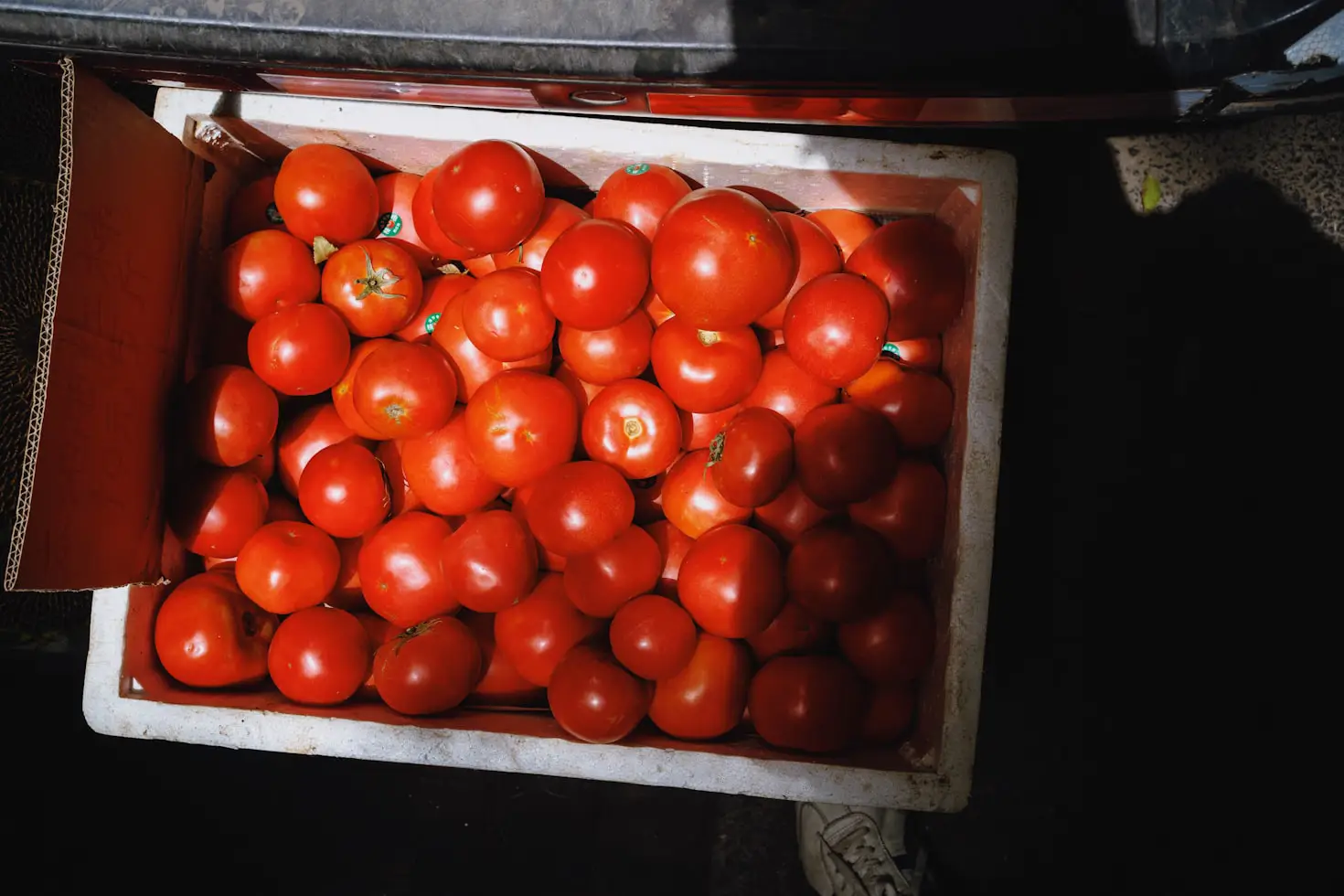

Learning how to grow tomatoes in a raised bed ensures a productive and healthy garden. Raised beds provide improved soil drainage, better aeration, and warmer soil temperatures, all of which encourage strong tomato growth. With proper planning, you can grow healthy plants that produce abundant, flavorful fruit throughout the season. Understanding soil preparation, plant spacing, watering, fertilization, and pest management is key. By following these guidelines, gardeners can grow tomatoes in a raised bed efficiently, maximize yields, and enjoy a consistent harvest while maintaining vibrant, disease-free plants.
Choosing the Right Tomato Varieties for Raised Beds
Selecting the right tomato varieties is crucial when you grow tomatoes in a raised bed. Determinate varieties, which grow to a compact size, are ideal for smaller beds, while indeterminate varieties can thrive if space and supports are available. Consider disease-resistant cultivars to reduce pest problems and ensure consistent fruit production. Cherry, beefsteak, and heirloom tomatoes are popular options depending on your taste and space. Choosing the appropriate variety helps maximize yields and makes maintenance easier. Knowing which types thrive in your region and raised bed conditions is an essential step to successfully grow tomatoes.
Preparing Raised Bed Soil for Healthy Tomato Growth
Healthy soil is the foundation to grow tomatoes in a raised bed successfully. Use a mix of nutrient-rich compost, garden soil, and organic matter to create a loose, well-draining bed. Tomatoes require slightly acidic soil with a pH between 6.0 and 6.8. Adding aged manure or balanced organic fertilizers improves nutrient content, promoting strong root development. Proper soil preparation prevents waterlogging and compaction, both of which hinder tomato growth. Understanding how to prepare raised bed soil ensures your tomato plants receive essential nutrients and moisture, creating an environment that encourages robust growth and abundant fruit production.
How to Plant Tomatoes in a Raised Bed
Planting is a critical step to grow tomatoes in a raised bed. Start by digging a hole slightly deeper than the root ball. Remove lower leaves and bury part of the stem to encourage stronger root development. Space plants according to variety to ensure proper airflow. Water thoroughly after planting to settle the soil around roots. Mulching helps retain moisture and suppress weeds. Proper planting ensures the tomato plants establish quickly and reduces transplant shock. Knowing the correct technique allows gardeners to grow tomatoes with minimal stress and strong initial growth in their raised beds.
Proper Spacing and Layout for Tomato Plants
Correct spacing and layout are essential when you grow tomatoes in a raised bed. Overcrowding can lead to poor airflow, increasing the risk of disease. Space determinate varieties about 18–24 inches apart and indeterminate varieties at least 24–36 inches. Arrange plants in rows or staggered patterns to maximize sunlight exposure. Leave room for companion plants like basil or marigolds to deter pests naturally. Planning the layout properly allows gardeners to grow tomatoes efficiently, ensures optimal sunlight, reduces disease risk, and creates an organized raised bed that supports healthy plant growth throughout the season.
Watering Tips for Tomatoes in Raised Beds
Consistent watering is key to grow tomatoes in a raised bed successfully. Tomatoes require deep, infrequent watering to encourage strong root systems. Water at the base of the plant to prevent wetting leaves, which can lead to fungal diseases. Mulching helps retain moisture and maintain even soil temperature. Monitor soil regularly, especially during hot, dry periods, to prevent stress. Using drip irrigation or soaker hoses is ideal for maintaining consistent moisture. Proper watering techniques allow gardeners to grow tomatoes with fewer diseases, better fruit set, and healthier plants in raised beds.
Fertilizing Tomatoes: Nutrient Requirements for Maximum Yield
Tomatoes are heavy feeders, so fertilization is essential when you grow tomatoes in a raised bed. Use balanced fertilizers or compost rich in nitrogen, phosphorus, and potassium. Side-dress plants every 3–4 weeks during the growing season to support flowering and fruiting. Avoid over-fertilizing nitrogen, which encourages leafy growth over fruit production. Organic options such as fish emulsion or well-aged compost provide slow-release nutrients. Proper fertilization ensures you can grow tomatoes with larger, flavorful fruits and sustained plant health throughout the season, maximizing your raised bed’s productivity.
Supporting Tomato Plants: Stakes, Cages, and Trellises
Supporting plants is crucial when you grow tomatoes in a raised bed. Use stakes, cages, or trellises to prevent sprawling, which reduces disease risk and improves air circulation. Indeterminate varieties benefit most from vertical support, while determinate types may need smaller cages. Tie stems gently with soft ties to prevent damage. Proper support allows for easier harvesting and reduces fruit contact with soil, preventing rot. Choosing the right structure helps gardeners grow tomatoes efficiently, ensures healthier plants, and keeps the raised bed organized and productive throughout the growing season.
Common Pests and Diseases in Raised Bed Tomatoes
Tomatoes in raised beds can face pests and diseases such as aphids, whiteflies, blight, and blossom end rot. Regular inspection helps detect problems early. Remove affected leaves and practice crop rotation to minimize disease spread. Using companion plants like basil or marigolds can deter pests naturally. Avoid overhead watering to reduce fungal infections. Knowing common threats and how to prevent them ensures you can grow tomatoes in a raised bed successfully, producing healthy fruit while maintaining strong, disease-resistant plants throughout the growing season.
Harvesting Tomatoes at the Perfect Time
Harvesting at the right time is key to enjoying flavorful tomatoes. Pick tomatoes when they reach full color and feel slightly firm but not hard. Frequent harvesting encourages continued fruit production. Handle fruit gently to avoid bruising. Determinate varieties may ripen all at once, while indeterminate types produce continuously. Proper harvesting techniques ensure you can grow tomatoes with maximum yield and optimal flavor in your raised bed. Timely harvesting also reduces pest problems and prevents overripe fruit from attracting disease or insects.
Seasonal Tips and Maintenance for Thriving Tomato Plants
Maintaining raised bed tomatoes throughout the season improves productivity and plant health. Prune suckers for better airflow and sunlight exposure. Mulch to retain moisture and reduce weeds. Rotate crops annually to prevent soil-borne diseases. Protect plants from extreme temperatures using shade cloths or row covers. Regular monitoring of water, nutrients, and pests ensures plants remain vigorous. Following these seasonal tips allows gardeners to grow tomatoes in a raised bed successfully, resulting in healthy plants, abundant fruit, and a thriving container-friendly garden environment.


