


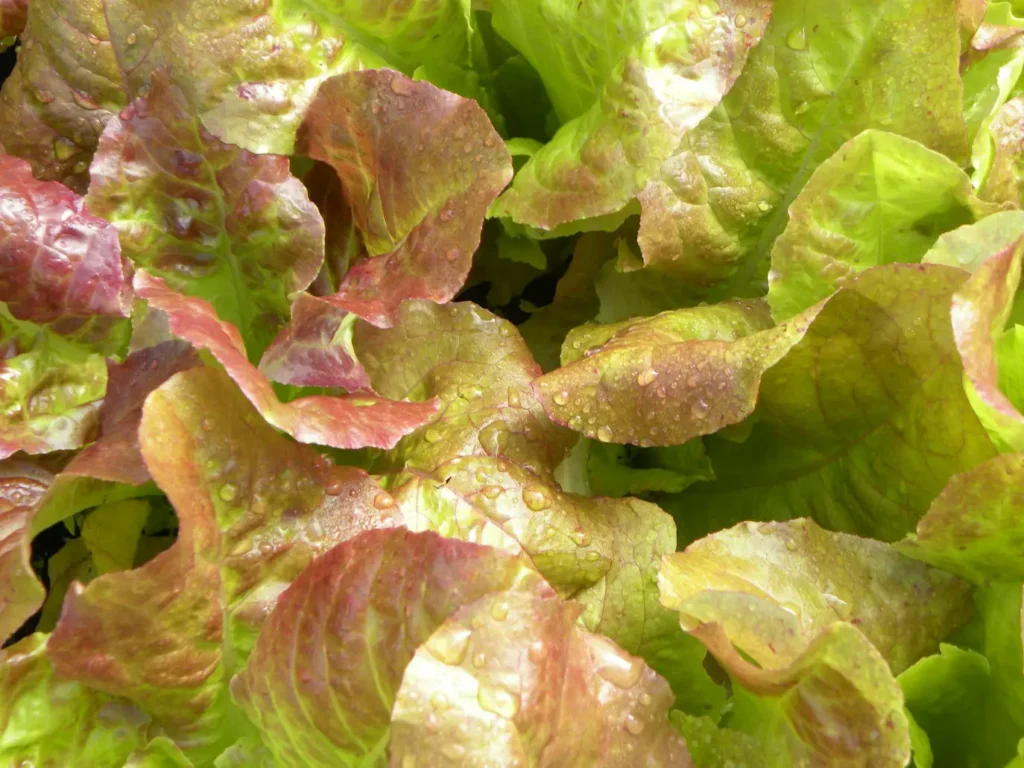
Growing hydroponic lettuce has become one of the most efficient and rewarding ways for gardeners, hobbyists, and commercial growers to produce fresh, crisp greens year-round. Lettuce is naturally fast-growing, requires minimal space, and thrives exceptionally well in hydroponic systems. Whether you want to set up a small kitchen counter garden or build a large-scale operation, understanding the fundamentals will help you get healthy, high-yield crops with consistent quality. In this comprehensive guide, you’ll learn how to grow hydroponic lettuce from start to finish, including equipment, nutrient requirements, lighting, water care, and troubleshooting.
Why Grow Lettuce Hydroponically?
Lettuce is one of the most popular crops for hydroponics because it grows quickly and adapts well to soilless environments. In a hydroponic system, nutrient-rich water feeds the plant roots directly, allowing lettuce to mature faster than traditional soil-grown varieties. Many growers harvest baby lettuce in just 30 days and full heads in 45–55 days.
Hydroponic lettuce also uses significantly less water than soil gardening, reduces pest exposure, and isn’t limited by seasons. Among the various plants you can grow hydroponically, lettuce is often considered the perfect entry-level crop because it is forgiving and doesn’t require complicated maintenance.
Choosing the Best Hydroponic System for Lettuce
Lettuce can grow in almost any hydroponic setup, but certain systems work better for leafy greens because they keep roots moist and oxygenated without stressing the plant.
1. Deep Water Culture (DWC)
DWC is one of the simplest and most beginner-friendly systems. Plants sit in net pots suspended over a reservoir filled with oxygenated nutrient water. An air pump keeps the water oxygen-rich, preventing root rot and encouraging rapid growth.
Pros:
- Easy to build and maintain
- Ideal for small home setups
- Very stable environment
Cons:
- Large volumes of water can become unstable if not monitored carefully.
2. Nutrient Film Technique (NFT)
NFT systems circulate a thin film of nutrient solution along channels where plant roots hang. Lettuce loves this method because roots receive both water and airflow.
Pros:
- Highly efficient for large-scale lettuce production
- Roots get plenty of oxygen.
- Lower water usage
Cons:
- Pump failures can stress plants more quickly than DWC.
3. Kratky Method (Passive Hydroponics)
The Kratky method is a passive, pump-free technique ideal for beginners. Plants are placed in a container filled with a nutrient solution. As the plant consumes water, roots grow downward and naturally absorb oxygen.
Pros:
- No electricity needed
- Great for small-scale growing
- Extremely simple
Cons:
- Not ideal for large operations
- Requires precise initial water levels
Each system has benefits, but beginners often start with DWC or Kratky because they’re inexpensive and simple to manage.

Selecting the Right Lettuce Varieties
While most lettuce varieties grow well hydroponically, some types are particularly suited for indoor systems.
Best Hydroponic Lettuce Varieties
- Butterhead (Bibb, Boston): Soft leaves, compact heads, excellent flavor
- Romaine (Cos): Tall heads, crisp texture, high yields
- Loose Leaf (Oakleaf, Lollo Rosso): Fast-growing, cut-and-come-again harvests
- Iceberg: Possible but requires more care and time
For beginners, butterhead and loose-leaf varieties are the easiest and most reliable.
How to Start Lettuce Seeds for Hydroponics
Successful hydroponic lettuce starts with proper seed germination.
Step-by-step germination:
- Use a soilless medium.
Rockwool, coco coir plugs, and peat pellets are the most popular. - Moisten the medium.
Keep it damp, not soaking, to prevent seed rot. - Plant seeds shallowly.
Lettuce seeds are tiny, so place 1–2 seeds per plug and lightly press them in. - Provide warmth.
Lettuce germinates best at 65–72°F (18–22°C). - Maintain moisture.
Keep humidity high by covering trays with a humidity dome. - Add gentle light after sprouting.
Once seedlings emerge, provide 12–14 hours of low-intensity light daily.
Seedlings are ready for transplanting when they develop their first true leaves, usually within 10–14 days.
Transplanting Seedlings into Your Hydroponic System
To transplant successfully:
- Ensure your hydroponic reservoir is filled with properly mixed nutrient solution.
- Adjust the pH to 5.5–6.0, the ideal range for lettuce.
- Place each seedling into a net pot with a growing medium like clay pebbles.
- In DWC systems, water should touch the bottom of the net pots until roots grow longer.
- Provide gentle airflow to strengthen stems and prevent fungal growth.
After transplanting, seedlings often experience slight shock, but within a few days, they begin vigorous growth.
Nutrient Requirements for Hydroponic Lettuce
Lettuce is not a heavy feeder, which makes nutrient management easier than with fruiting plants like tomatoes or peppers.
Ideal Nutrient Levels
- EC (Electrical Conductivity): 0.8–1.4 mS/cm
- pH: 5.5–6.0
- Water Temperature: 65–70°F (18–21°C)
Macro- and Micronutrients
Choose a hydroponic nutrient solution formulated for leafy greens or general vegetative growth. High nitrogen levels promote lush green leaves, while excess potassium or phosphorus can slow lettuce growth.
Changing the Nutrient Solution
Replace your nutrient solution every 10–14 days to prevent imbalances and bacterial growth. Top off with fresh water regularly to maintain proper EC levels.
Lighting Requirements for Hydroponic Lettuce
Light intensity and duration significantly influence plant shape, flavor, and growth rate.
Recommended Light Guidelines
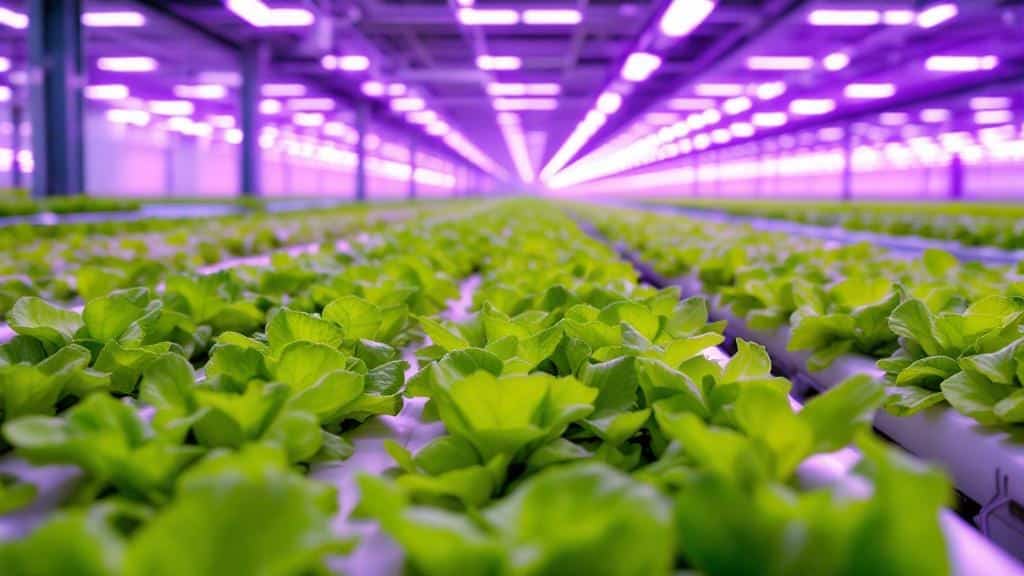
- Type of Light: LED grow lights (full spectrum)
- Intensity: 100–200 PPFD for seedlings, 200–300 PPFD for mature plants
- Photoperiod: 12–16 hours of light per day
- Distance from Plants: 12–18 inches, depending on light strength
Too much light can cause tip burn, while too little light creates leggy, weak plants. To ensure your greens get the perfect amount, check our guide on how long you should burn the hydroponic light each day for different growth stages.
Temperature, Humidity, and Airflow
Environmental control is one of the reasons hydroponic lettuce grows so well indoors.
Ideal Conditions
- Day Temperature: 65–72°F (18–22°C)
- Night Temperature: 60–68°F (15–20°C)
- Humidity: 40–60%
- Air Circulation: Gentle airflow to prevent mold and strengthen leaves
Lettuce prefers cool conditions and may bolt (flower) if temperatures exceed 75°F (24°C).
Common Problems and How to Fix Them
Even in hydroponics, lettuce can encounter issues. Here are the most common problems:
1. Tip Burn
Tip burn appears as brown, crispy edges on leaves.
Causes:
- Calcium deficiency
- Poor airflow
- Low humidity or rapid growth
Fixes:
- Increase airflow
- Maintain stable EC levels.
- Reduce light intensity slightly.
2. Root Rot
Roots turn brown and slimy due to oxygen deprivation.
Causes:
- Warm water
- Poor aeration
- Bacterial buildup
Fixes:
- Keep water below 70°F (21°C).
- Add more air stones.
- Clean reservoirs regularly.
3. Pest Problems
While hydroponics reduces pests, aphids, thrips, and fungus gnats can still appear.
Fixes:
- Use sticky traps.
- Improve cleanliness.
- Apply neem oil or insecticidal soap as needed.
Harvesting Hydroponic Lettuce
Harvesting time depends on the variety:
- Baby greens: 25–30 days
- Loose leaf: 30–45 days
- Butterhead/Romaine: 45–55 days
Use clean scissors to cut outer leaves for continuous harvest, or cut the full head at the base. Cool the lettuce quickly to preserve crispness.
Learning how to grow hydroponic lettuce is a rewarding and straightforward process that opens the door to fresh, pesticide-free greens year-round. With the right system, stable nutrient levels, proper lighting, and careful environmental control, you can enjoy consistent yields whether you’re a beginner or an experienced grower. Hydroponic lettuce is one of the most accessible and efficient crops for indoor gardening, making it an ideal starting point for anyone exploring sustainable food production.