


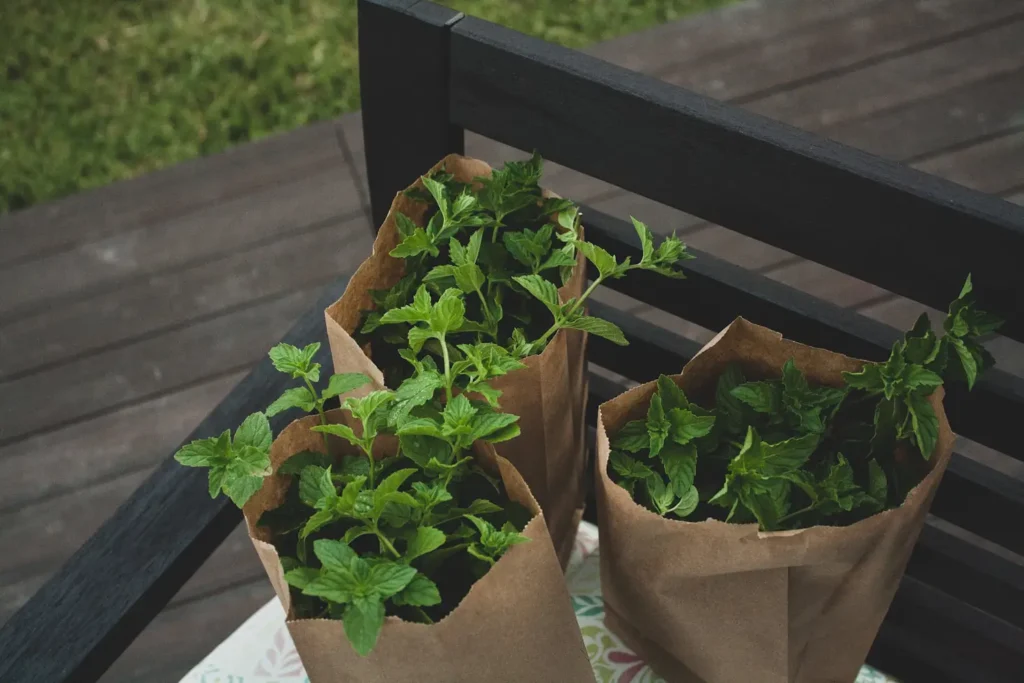
Growing herbs in containers is one of the easiest and most rewarding ways to enjoy fresh flavors in your cooking, whether you have a spacious backyard, a balcony, or just a sunny windowsill. Container gardening allows you to control soil quality, light exposure, and watering while keeping herbs organized and accessible. With proper care, you can enjoy aromatic basil, fragrant rosemary, and fresh parsley year-round. This guide explores everything you need to know about choosing the right herbs, containers, soil, care techniques, and harvesting methods to create a thriving container herb garden.
Why Grow Herbs in Containers
Container herb gardening offers numerous advantages. First, it provides mobility, allowing you to move plants to follow sunlight or protect them from extreme weather. Second, it prevents soil-borne diseases and pests that are common in garden beds. Third, container gardening allows precise control over soil type, drainage, and nutrients, which is especially important for herbs with specific needs. Finally, growing herbs in containers saves space, making it perfect for urban dwellers, apartment balconies, or small patios. Containers also make it easier to combine decorative elements with edible plants, adding beauty to your outdoor or indoor space.
Choosing the Right Herbs
Not all herbs thrive equally well in containers. Selecting herbs that adapt to confined root spaces and have compatible light and water requirements is key. Herbs can be grouped into three categories: soft-stemmed annuals, tender perennials, and woody perennials.
Soft-stemmed annuals such as basil, cilantro, dill, and chives grow quickly, produce abundant leaves, and typically complete their life cycle in one season. These herbs prefer fertile, well-draining soil and frequent harvesting to encourage growth.
Tender perennials like parsley, tarragon, and oregano can survive multiple seasons in a container, though they may need protection from frost in colder climates. They benefit from consistent watering and occasional fertilization to maintain vigor.
Woody perennials such as rosemary, thyme, sage, and lavender have tougher stems and slower growth. These herbs thrive in containers with good drainage and slightly drier conditions, as overwatering can cause root rot.
When planning a container herb garden, consider plant size and growth habit. Tall herbs like rosemary or basil may need deeper containers, while trailing herbs like oregano or thyme are perfect for hanging baskets. By organizing your gardens by herb type and grouping them by growth habit and water needs, you ensure that each plant has the specific environment it needs to thrive.
Selecting Containers
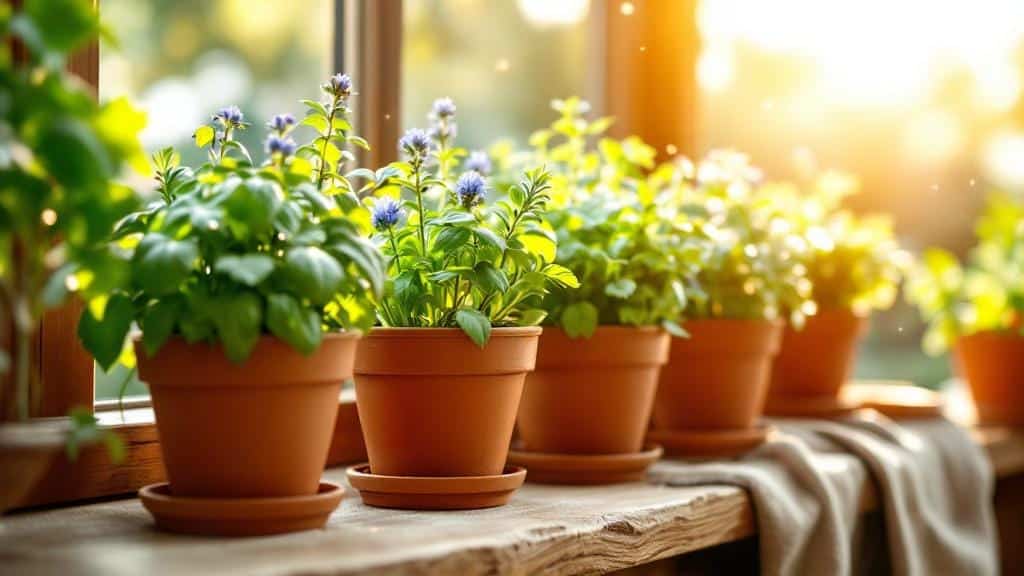
The choice of container greatly affects herb growth. Containers must provide adequate drainage to prevent waterlogging, which is a common cause of root rot. Clay, terracotta, ceramic, plastic, and metal containers all work, but each material has pros and cons. Terracotta pots are porous and allow soil to breathe, but dry out quickly, requiring more frequent watering. Plastic and glazed ceramic retain moisture longer and are lighter, making them easier to move. Metal containers heat up in direct sun and may need lining to prevent root damage.
Container size is critical. Most herbs need at least 6–12 inches of depth, while larger perennials like rosemary or sage require 12–18 inches or more. Wide containers allow for multiple herbs to be planted together, creating a mini herb garden with complementary flavors and aromas.

Choosing the Right Soil
Herbs thrive in well-draining, nutrient-rich soil. A high-quality potting mix is essential; garden soil alone is often too dense for containers and can lead to compaction and poor drainage. You can make your own mix by combining equal parts potting soil, compost, and coarse sand or perlite for aeration. For Mediterranean herbs like rosemary, thyme, and lavender, a slightly sandy mix that mimics their natural dry conditions works best. Avoid heavy or clay-based soils, as they can retain too much water and suffocate roots.
Planting Your Herbs
Start container herbs from seeds, seedlings, or small plants from a nursery. When sowing seeds, follow the instructions on the packet for depth and spacing. For seedlings, dig a hole slightly larger than the root ball, place the plant, and backfill with soil, gently pressing down to remove air pockets. Water thoroughly after planting to help roots establish.
If planting multiple herbs in one container, choose species with similar water, light, and nutrient requirements. For example, Mediterranean herbs like rosemary, thyme, and oregano thrive together in drier soil, while basil, parsley, and cilantro prefer slightly more moisture. Grouping compatible herbs ensures healthy growth and reduces maintenance challenges.
Light Requirements
Light is one of the most critical factors for container-grown herbs. Most herbs require 6–8 hours of direct sunlight daily. Place your containers on a sunny windowsill, balcony, patio, or greenhouse where they can receive full sun. If sunlight is limited indoors, consider using grow lights to supplement natural light. Rotate containers periodically to ensure even growth and prevent plants from leaning toward the light source.
Watering and Fertilization
Container herbs require consistent watering, but overwatering is a common mistake. Most herbs prefer soil that is evenly moist but never soggy. Soft-stemmed herbs like basil and cilantro may need watering more frequently, while woody herbs like rosemary, thyme, and sage tolerate slight dryness between waterings. Water at the base of the plant to prevent wetting the leaves, which can lead to fungal diseases.
Fertilization is essential for maintaining vigorous growth. Use a balanced, water-soluble fertilizer every 4–6 weeks during the growing season. Organic options like fish emulsion or compost tea are excellent for container herbs. Avoid over-fertilizing, as this can reduce flavor intensity in some herbs, particularly rosemary and thyme.
Many gardeners wonder if feeding plants changes their thirst. To learn more, check out our guide: Can I Water Herbs Less if They Get Fertilizer?
Pruning and Harvesting
Regular pruning encourages bushy growth and prevents herbs from becoming leggy. Pinch back new growth on basil, oregano, and thyme to stimulate branching. Harvest leaves frequently, ideally in the morning when essential oils are most concentrated, to maximize flavor. Avoid removing more than one-third of the plant at a time to prevent stress.
Soft-stemmed herbs can be harvested continuously through the season, while woody herbs may need periodic heavy pruning to maintain shape and productivity. Be sure to remove any flowering stems from annual herbs like basil, as flowers can reduce leaf production and alter flavor.
Overwintering Herbs
Many container herbs can survive year-round if given proper care. Indoor overwintering is often necessary for tender perennials like basil, cilantro, and parsley in colder climates. Move containers indoors before the first frost, placing them in a bright, sunny location. Reduce watering during the dormant season, and avoid fertilizing until growth resumes in spring.
Woody perennials such as rosemary, thyme, and sage can tolerate mild frost but may benefit from insulation, such as bubble wrap or straw, around the container to protect roots during winter. Container herbs generally need more attention in winter, but with proper care, they can provide fresh leaves all year.
Pest and Disease Management
Container herbs are generally less prone to pests than garden-grown herbs, but issues can still occur. Common pests include aphids, spider mites, and whiteflies. Inspect plants regularly and remove pests by hand or use insecticidal soap as needed. Proper spacing, airflow, and watering techniques help prevent fungal diseases like powdery mildew or root rot. Avoid overwatering and provide adequate light to maintain plant health.
Creative Container Ideas
Herb container gardening allows for creative arrangements that enhance both function and aesthetics. Vertical herb gardens using tiered planters or hanging pockets save space while keeping plants accessible. Windowsill herb boxes bring fresh flavors indoors and brighten the kitchen. Combine herbs with flowering plants for a mixed ornamental-edible container, such as basil with marigolds or thyme with petunias, attracting pollinators while adding visual interest.
Growing herbs in containers is a rewarding and versatile gardening method suitable for small spaces, urban environments, or gardeners seeking convenience and control. By choosing the right herbs, containers, and soil, providing sufficient light and water, and practicing proper pruning and harvesting, you can enjoy fresh, flavorful herbs year-round. Container gardening also allows experimentation with different varieties, companion planting, and creative designs, making it both practical and aesthetically pleasing.
With attention to detail, patience, and consistent care, container-grown herbs can transform your cooking, enhance your outdoor or indoor spaces, and provide a continuous supply of fresh ingredients. From fragrant basil and robust rosemary to delicate parsley and lemon balm, your container herb garden can offer endless culinary possibilities while enriching your gardening experience.