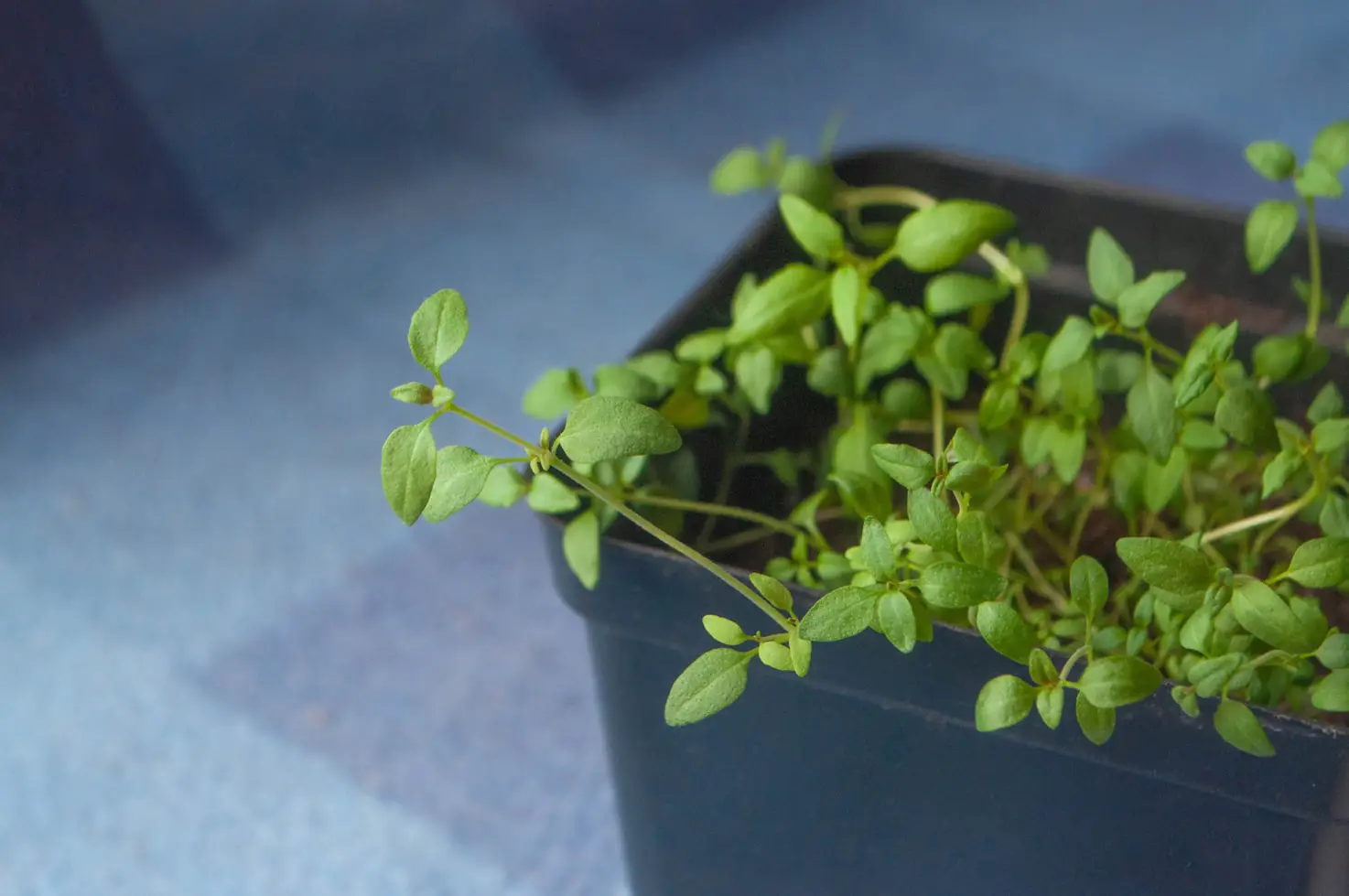

Growing herbs from seeds in pots is a rewarding and cost-effective way to cultivate a fresh supply of flavorful plants for your kitchen, patio, or windowsill. Starting from seeds allows you to experiment with a wide variety of herbs, from common favorites like basil and parsley to less common varieties like lemon balm or marjoram. While it requires patience and attention to detail, the process is straightforward when you understand the key steps: selecting seeds, preparing containers, sowing, caring for seedlings, and eventually transplanting them into larger pots. This comprehensive guide provides everything you need to successfully grow herbs from seeds in containers.
Why Grow Herbs from Seeds
Starting herbs from seeds has several advantages. First, it gives you access to a wider range of varieties than you can usually find as seedlings in nurseries. Second, it is cost-effective, as a packet of seeds can produce dozens of plants. Third, growing from seed allows you to have control over the growing conditions, ensuring organic or pesticide-free herbs. Lastly, the experience of nurturing a plant from seed to harvest is highly satisfying, offering a deeper understanding of your garden’s growth cycles.
Choosing the Right Herb Seeds
The first step is selecting herb seeds suited for container growth. Herbs vary in germination time, growth rate, and care requirements, so choose varieties compatible with your environment. Common herbs that grow well from seed in pots include:
-
Basil: Fast-growing, thrives in warm conditions.
-
Parsley: Germinates slowly, prefers moist soil and partial sun.
-
Cilantro/Coriander: Prefers cooler temperatures; can bolt quickly in heat.
-
Chives: Hardy perennial, easy to grow in containers.
-
Dill: Grows tall, ideal for larger pots.
-
Thyme, Oregano, and Sage: Woody perennials that germinate more slowly but thrive in containers.
Check the seed packet for germination times, spacing recommendations, and light requirements. Choosing herbs that match your available light and container conditions increases the likelihood of success.
Selecting Containers
When growing herbs from seeds, container choice is critical. Start with shallow seed trays, small pots, or biodegradable peat pots. These containers allow you to control soil moisture and drainage, which is essential for delicate seedlings. Ensure each container has drainage holes to prevent waterlogging, which can cause seed rot or fungal problems.
As seedlings grow, they will need to be transplanted into larger pots or grouped containers to accommodate their roots. Ideally, final containers should be 6–12 inches deep for most herbs, though shallow pots work for smaller or slow-growing varieties like thyme.
Choosing the Right Soil
Herbs germinate best in light, well-draining seed-starting mix. Avoid using garden soil, as it is often too dense and can compact in containers, preventing root development. Seed-starting mixes typically contain peat moss, vermiculite, or perlite, which provide aeration and retain enough moisture for germination.
Once seedlings are ready to be transplanted, a richer, well-draining potting mix with added organic compost or worm castings ensures healthy growth. For Mediterranean herbs such as rosemary, thyme, and oregano, slightly sandy soil that mimics their natural environment works best.
Preparing Seeds and Sowing
Some herbs benefit from pre-soaking or scarification to improve germination. For example, larger seeds like parsley or dill can be soaked in water for a few hours before planting. Tiny seeds like basil or thyme can be sprinkled directly onto the soil surface without soaking.
Follow these steps for sowing:
-
Fill containers with seed-starting mix, leaving about ¼ inch at the top.
-
Moisten the soil lightly using a spray bottle or fine mist.
-
Plant seeds according to packet instructions—most are sown 1–4 mm deep, depending on seed size. Tiny seeds may only need to be pressed lightly onto the soil surface.
-
Cover containers with a clear lid or plastic wrap to create a mini-greenhouse effect, which maintains humidity and warmth for germination.
Label your containers with the herb name and sowing date to keep track of growth.
Light and Temperature Requirements
Light is critical for seedlings. Most herbs require 12–16 hours of light per day to grow strong and avoid leggy stems. Place containers on a sunny windowsill with south- or west-facing light, or use grow lights if natural sunlight is insufficient. Position lights about 2–4 inches above seedlings, adjusting as they grow.
Temperature affects germination and growth: most herbs germinate best between 65–75°F (18–24°C). Basil and cilantro prefer warmer conditions, while parsley and chives tolerate slightly cooler temperatures. Maintain consistent warmth using a heated seed mat if necessary.
Watering Seedlings
Seedlings need even moisture, but overwatering can quickly lead to damping-off disease, a fungal problem that kills young plants. Use a spray bottle or fine mist to keep the soil surface consistently damp. Avoid pouring water directly from a watering can, which can dislodge seeds or compact the soil. Once seedlings develop true leaves, water at the base to encourage strong root growth.
Thinning and Transplanting
When seedlings have grown 2–3 sets of true leaves, they may need thinning to avoid overcrowding. Use small scissors or gently snip weaker seedlings at the soil line to give the strongest plants space to thrive.
Once seedlings are robust enough, transplant them into larger pots:
-
Fill a larger container with potting mix.
-
Dig a small hole for each seedling.
-
Gently remove seedlings from the tray, handling roots carefully to avoid damage.
-
Place seedlings in holes and backfill with soil, firming lightly around the base.
-
Water immediately to help seedlings settle.
Fertilization
Seedlings generally do not require fertilizer until they develop their first true leaves. At this stage, use a diluted, balanced liquid fertilizer every 2–3 weeks to encourage healthy growth. Avoid over-fertilizing, as this can cause weak stems and overly lush growth with reduced flavor. Once seedlings are transplanted into final containers, supplement with slow-release fertilizer or organic amendments such as compost tea.
Pruning and Encouraging Growth
Regular pruning promotes bushy, productive herbs. Pinch back tips of basil, oregano, and thyme to encourage branching and prevent legginess. Remove flowers from herbs like basil to focus energy on leaf growth. For taller herbs like dill, support stems with stakes or small trellises to prevent bending or breaking.
Pest and Disease Management
Herbs grown in pots are less prone to pests than garden-grown plants, but issues may arise. Common pests include aphids, spider mites, and whiteflies. Inspect seedlings regularly and remove pests manually or with mild insecticidal soap. Good air circulation, proper watering, and avoiding overcrowding reduce the risk of fungal diseases such as damping-off or powdery mildew.
Harvesting Herbs
Most herbs can be harvested once plants are 6–8 inches tall. For leafy herbs like basil and parsley, snip leaves as needed, harvesting from the top to encourage branching. Woody herbs like rosemary and thyme can be harvested carefully without cutting too close to the base. Regular harvesting not only provides fresh flavors for cooking but also encourages continuous growth.
Overwintering Herbs
Container-grown herbs can thrive year-round indoors. Tender annuals may need to be moved inside during colder months. Place them near a sunny window or under grow lights. Reduce watering in winter when growth slows, and continue occasional feeding to maintain plant health. Woody perennials can survive in pots outdoors with frost protection or indoors in bright, cool conditions.
Creative Container Ideas
Growing herbs from seeds allows for creative container arrangements. Combine compatible herbs in multi-herb pots for a visually appealing and functional garden. Use tiered planters, window boxes, or hanging pots to maximize space. Group herbs by watering needs—Mediterranean herbs together and moisture-loving herbs together—for simpler care.
Growing herbs from seeds in pots is a fulfilling and practical way to cultivate fresh, flavorful plants for cooking, teas, and decoration. By carefully selecting seeds, providing proper soil, light, and water, and tending to seedlings with patience, you can enjoy a thriving container herb garden year-round. From sowing tiny seeds to harvesting fragrant leaves, each step offers the satisfaction of nurturing life from the very beginning. With attention to detail and consistent care, even beginner gardeners can enjoy the vibrant flavors and fragrances of homegrown herbs in pots, creating a sustainable and aromatic addition to any indoor or outdoor space.


