


Rolly pollies, also known as pill bugs or woodlice, are common in many gardens. While they play a role in breaking down organic material, they can become a nuisance when their population grows out of control. If you’re looking for ways to get rid of rolly pollies in garden beds or around plants, there are effective methods to manage them without harming your plants. This guide offers practical solutions to deal with rolly pollies in garden spaces using natural, DIY, and chemical-free approaches.
Learn how to control and prevent infestations while keeping your garden healthy and balanced. From managing moisture to simple organic traps, here is how you can keep your garden in perfect harmony while keeping these crunchy visitors at bay. And if all this garden work makes you hungry, check out if does Olive Garden have happy hours for a budget-friendly meal after your hard work.
What Are Rolly Pollies and Why Are They in Your Garden?
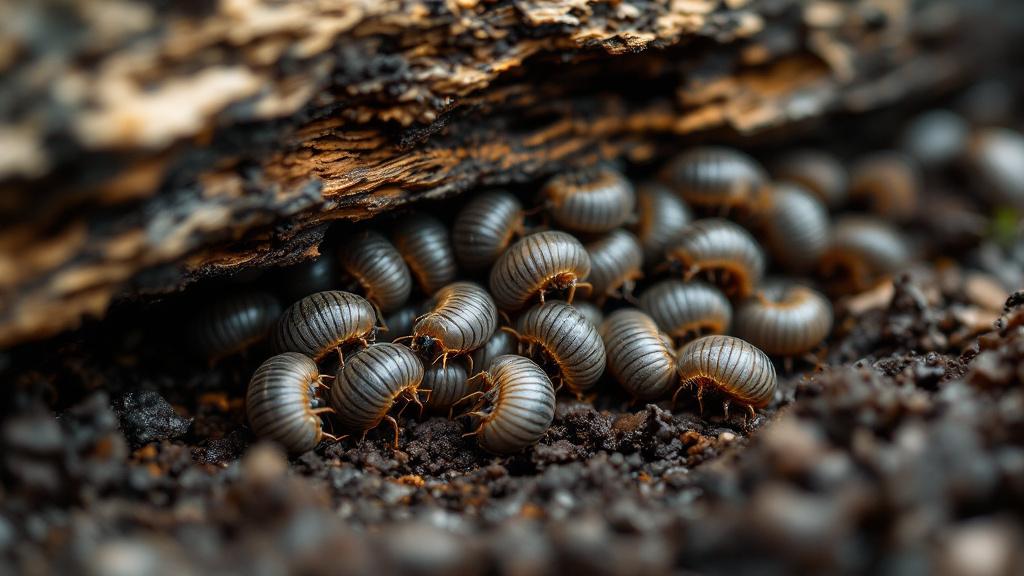
Rolly pollies, scientifically part of the Armadillidiidae family, are small, gray, segmented crustaceans that curl into a ball when disturbed. Rolly pollies are small, gray, segmented crustaceans that curl into a ball when disturbed. They are often found in damp, dark areas like under mulch, stones, or logs. Rolly pollies in garden environments feed primarily on decaying organic matter, which helps decompose plant debris. However, when their numbers are high, they may start feeding on young plant roots and seedlings. Their presence indicates moist, nutrient-rich soil, a sign of good composting, but also a potential pest issue. Understanding why they thrive in your garden is the first step to effectively managing their population without damaging your plants.
Are Rolly Pollies Really Harmful to Plants? Here’s the truth.
Generally, rolly pollies in garden beds are not considered primary plant pests. They typically feed on decaying leaves and organic material, aiding soil health. However, in high numbers, they may turn to live plants, especially seedlings, fruits, or soft stems. This becomes a concern in vegetable gardens and flower beds. Damage often appears as chewed leaves or fruit with small bite marks. While they’re not as destructive as slugs or caterpillars, ignoring them can lead to plant stress. The key is maintaining balance: keeping their numbers in check ensures they help your soil without harming your crops.

Top Signs of a Rolly Polly Infestation You Shouldn’t Ignore
Knowing the signs of a rolly polly infestation can help you take action before serious damage occurs. A clear indicator is finding multiple pill bugs under mulch, pots, or stones. You may also notice small chew marks on leaves or fruit near the soil. Rolly pollies are active at night, so spotting them during the day often means overpopulation. If seedlings begin to wilt or disappear, it’s time to investigate. Consistently damp soil and decomposing mulch also support their growth. Monitoring these signs helps you take timely steps to get rid of rolly pollies in garden spaces effectively.
Natural Ways to Get Rid of Rolly Pollies Without Harming Your Plants
To naturally reduce rolly pollies in garden beds, start by drying out overly damp areas. Remove debris, trim excess mulch, and increase sunlight exposure. You can create barriers using diatomaceous earth, a natural, non-toxic powder that damages their exoskeletons. Citrus rinds placed near infested spots attract and trap them for removal. Additionally, consider planting strong-scented herbs like rosemary or sage, which may repel pill bugs. Avoid overwatering, especially around plant bases. These methods help you get rid of rolly pollies in garden areas gently and safely, without harming your soil or beneficial insects.
The Best Homemade Traps to Catch Rolly Pollies Fast
Homemade traps are a simple, effective way to reduce rolly pollies in garden areas. One of the most effective methods is using a shallow dish filled with beer or fruit juice; the scent attracts them, and they drown inside. Another trap involves placing sliced potatoes or orange peels upside-down overnight. In the morning, you’ll often find pill bugs hiding underneath. You can also use damp cardboard as a trap, checking it daily and discarding any captured bugs. These easy DIY methods are a great way to get rid of rolly pollies in garden spaces without chemicals.
How to Modify Soil Conditions to Make It Unfriendly for Rolly Pollies
Rolly pollies love moist, decaying environments, so altering soil conditions can naturally discourage them. Start by improving drainage with compost or sand to reduce moisture buildup. Avoid using heavy mulches near plant stems, and turn the soil frequently to disrupt hiding spots. Raised beds also help control excess dampness and limit bug access. Reducing watering frequency, especially in shaded areas, is another way to dry out the topsoil where pill bugs live. By creating a less hospitable environment, you can limit their presence and keep rolly pollies in garden soil under control without the need for pesticides.
What to Avoid: Mistakes That Attract Rolly Pollies to Your Garden
Unintentionally attracting rolly pollies in garden spaces is easy if you’re not careful. Overwatering is a major issue; it creates damp, ideal conditions for them to thrive. Thick mulch layers or unturned compost piles provide perfect hiding spots. Leaving fruits, vegetables, or decaying plant matter on the ground can also invite them. Avoid using organic mulches that break down too quickly unless you monitor moisture levels closely. Using these materials without balance leads to infestations. Understanding these mistakes helps you create a cleaner, drier garden environment and get rid of rolly pollies in garden beds more effectively.
Using Mulch the Right Way to Control Roly-Poly Populations
Mulch helps retain moisture and reduce weeds, but it can also harbor pests if misused. To control rolly pollies in garden spaces, use mulch sparingly and avoid piling it too close to plant bases. Choose coarse materials like bark chips instead of fine compost or straw, which break down quickly and attract pill bugs. Applying mulch in thinner layers and allowing soil to breathe discourages damp conditions that they prefer. Lift and aerate mulch occasionally to dry out the lower layers. By managing your mulch use wisely, you can keep the soil healthy while discouraging overpopulation of rolly pollies.
Safe Insecticides for Rolly Pollies: What Works Without Risking Your Garden
If natural methods don’t fully solve the issue, you may consider safe insecticides to get rid of rolly pollies in garden beds. Look for products labeled safe for edible plants and pets, such as those containing spinosad or iron phosphate. These ingredients target pests without harming beneficial insects or soil health. Always follow label instructions and apply during dry weather for maximum effectiveness. Avoid broad-spectrum pesticides that may kill helpful organisms like earthworms. Insecticidal soaps can also be sprayed near infestation zones. With the right products and cautious use, you can reduce pest populations without harming your garden ecosystem.
How to Keep Rolly Pollies Out of Your Garden for Good
Long-term control requires consistent maintenance. To get garden spaces that are both productive and pest-free, you must stay proactive by removing fallen leaves, fruit, and unused pots where rolly pollies in garden beds might hide. Maintain proper soil drainage and avoid overwatering. Use raised beds, weed regularly, and keep mulch under control. Combine natural deterrents, DIY traps, and safe insecticides when necessary. Monitor your garden weekly for early signs of reinfestation. By staying proactive and balanced in your care routine, you’ll not only get rid of rolly pollies in garden spaces but also prevent them from returning, all while keeping your plants thriving and healthy.