


Wondering how to get rid of gnats in your garden without harming your plants? Gnats may be tiny, but they can cause big headaches for gardeners. These pests thrive in damp soil, organic debris, and overwatered containers. To get rid of gnats in garden spaces, focus on fixing moisture issues, improving drainage, and using natural deterrents like neem oil or sticky traps. Avoid overwatering, and let your soil dry slightly between watering sessions. With consistent maintenance and a few smart tricks, you can reduce or even eliminate gnats in your garden, keeping your plants healthy and thriving.
Tired of swarms of gnats ruining your garden time? Here’s how to take control.
If you’re constantly swatting away gnats while tending your plants, you’re not alone. These pests love moist environments and decaying organic matter. To get rid of gnats in garden beds or pots, start by reducing excess moisture. Water only when necessary, and avoid letting the topsoil stay soggy. You can also use yellow sticky traps to catch adults or spray diluted neem oil to disrupt their life cycle. By adjusting your watering habits and eliminating breeding zones, you’ll be well on your way to a gnat-free garden where you can finally enjoy your time outdoors again.
By adjusting your watering habits and eliminating breeding zones, you’ll be well on your way to a gnat-free garden where you can finally enjoy your time outdoors again. To make your outdoor seating even more inviting, don’t forget to check how to clean teak garden furniture so your patio looks as fresh as your plants.
Tiny pests, big problem: Learn how to get rid of gnats in the garden for good.
Gnats in the garden may seem harmless, but they can quickly multiply and stress your plants. Their larvae often feed on organic material and plant roots, stunting growth. The first step in getting rid of gnats is controlling soil moisture. Avoid overwatering, improve drainage, and remove compost or mulch buildup that stays too wet. For added protection, introduce beneficial nematodes to your soil. They feed on gnat larvae. When you take a proactive approach, using both prevention and treatment, you’ll have a better chance of keeping these persistent pests out of your garden for good.
Gnats buzzing around your plants? Fight back with these proven methods.
Seeing gnats in the garden hovering around your plants usually means there’s too much moisture somewhere. First, inspect your soil. If it’s consistently damp, reduce watering. Next, set yellow sticky traps near affected plants to catch adult gnats. You can also use a homemade spray of dish soap and water to kill them on contact. Adding a layer of sand or fine gravel to the top of the soil can also deter gnats from laying eggs. These small adjustments will help you get rid of gnats in the garden quickly and naturally without harming your plants.
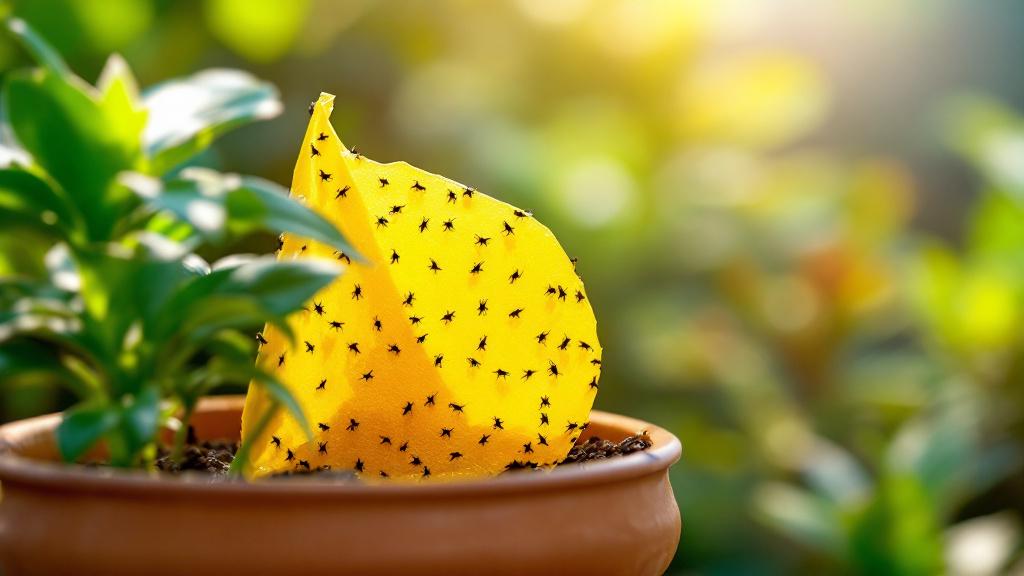

Can’t enjoy your garden because of gnats? Here’s what actually works.
Gnats are more than just annoying; they’re a sign that your garden’s ecosystem may be out of balance. Fortunately, there are simple and effective ways to take back control. The best method to get rid of gnats in garden areas is to address the root cause: moisture. Let the soil dry between watering, especially in containers or raised beds. Add good airflow around your plants to reduce humidity, and use cinnamon or hydrogen peroxide solutions to target larvae. These techniques, when used consistently, can significantly reduce the number of gnats in your garden.
Stop gnats before they take over. Smart solutions for every gardener.
Preventing a full-blown gnat infestation starts with good gardening habits. Overwatering is the top reason gnats in garden beds appear. Try watering early in the day so the soil dries before nightfall. Remove decaying plant matter regularly, as it can attract gnats. Use well-draining soil and clean your tools to avoid transferring pests. If needed, neem oil or Bt (Bacillus thuringiensis) treatments are effective against larvae. These smart, eco-friendly solutions will help you get rid of gnats in the garden without relying on toxic sprays, giving your plants and pollinators a better environment to thrive in.
Sick of gnats in the garden? You may be making these common mistakes.
It’s easy to make simple mistakes that unintentionally invite gnats. Overwatering, leaving mulch too thick, or using overly rich compost can create ideal conditions for these pests. One of the quickest ways to get rid of gnats in garden areas is by correcting these issues. Check soil moisture before watering. Your finger is your best moisture meter. Avoid composting in open garden areas where gnats can breed. Also, don’t forget to clean containers and pots between seasons. By eliminating these common attractants, you’ll drastically reduce the number of gnats in your garden.
Don’t let gnats win. Natural and chemical-free ways to clear them out.
If you want to get rid of gnats in the garden without harsh chemicals, you’re in luck. Natural methods work well and are safe for beneficial insects. Start by applying a cinnamon dusting to your topsoil; it’s a natural antifungal that disrupts gnat larvae. Vinegar traps can catch flying adults, and beneficial nematodes can help destroy larvae in the soil. Add a layer of perlite or sand to the container soil to stop egg-laying. With these simple techniques, you’ll not only control the gnats but also maintain a safer, more balanced garden ecosystem.
From compost to overwatering, find out what’s really attracting gnats to your garden.
Understanding what’s attracting gnats is key to getting rid of them. Moist compost, overwatered beds, and decaying roots all serve as perfect breeding grounds. To effectively get rid of gnats in garden areas, address these problem zones. Turn your compost regularly and keep it covered. Thin out overgrown beds to allow airflow and improve drainage in heavy soils. If water sits on top of your soil for more than an hour after watering, it’s time to amend your soil. Recognizing and removing what gnats love most is your first defense in winning the battle.
Want your garden back? Here’s how to eliminate gnats without harming your plants.
Many gardeners hesitate to treat pests for fear of damaging their plants. Fortunately, there are gentle yet powerful ways to get rid of gnats in garden plots. Use diluted hydrogen peroxide (1 part peroxide to 4 parts water) to water the soil and kill larvae without harming roots. You can also top your soil with coarse sand, which gnats avoid for egg-laying. Sticky traps and neem oil can target adults and eggs while being safe for most plants. These low-impact solutions let you reclaim your garden while keeping your greenery safe and stress-free.
Think gnats are harmless? They could be damaging your garden more than you think.
Many gardeners underestimate gnats in the garden, assuming they’re just a nuisance. In reality, their larvae feed on plant roots, especially in seedlings or potted plants, weakening growth and leading to disease. Over time, a small infestation can severely impact plant health and reduce your harvest. That’s why it’s important to get rid of gnats in garden spaces as soon as you spot them. Take quick action with sticky traps, dry soil practices, and targeted natural treatments. Don’t ignore the warning signs. Protecting your plants starts with controlling these overlooked pests.