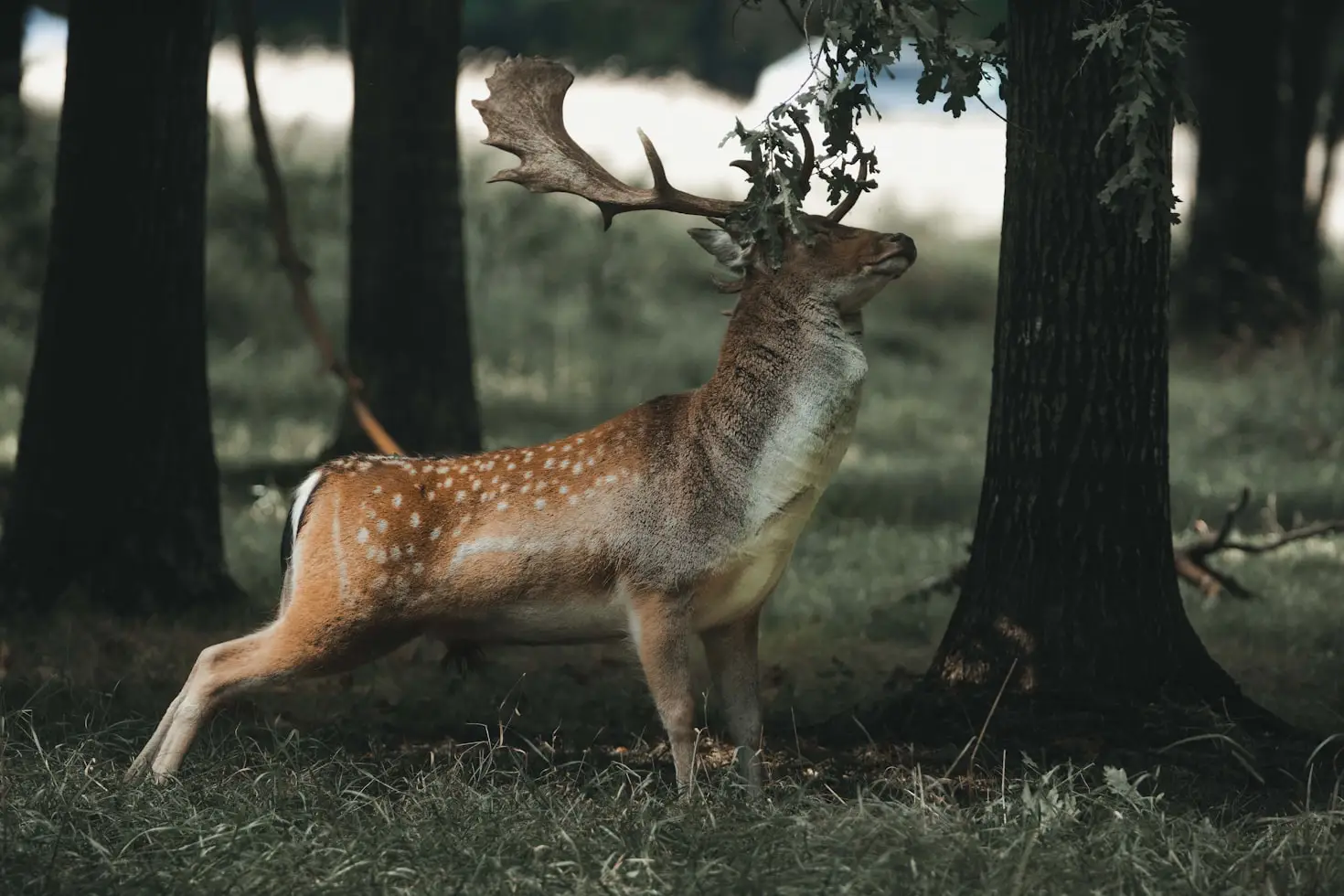

Deer can be beautiful creatures, but they’re notorious for causing damage to home gardens. If you’ve noticed chewed plants or missing flowers, you’re not alone. Many homeowners struggle to find effective ways to deter deer from garden spaces. The key to success lies in understanding deer behavior and using layered strategies to keep them away. In this article, you’ll learn how to deter deer from garden areas using natural methods, DIY solutions, smart design choices, and proven tools. Whether you’re a new gardener or experienced, these tips will help you protect your landscape without harming wildlife.
Why Deer Are Attracted to Your Garden in the First Place
Deer are primarily attracted to gardens due to the abundance of tender plants, flowers, and fruits. Gardens offer an easy source of nutrition, especially during spring and summer when deer populations are most active. They have a keen sense of smell and can detect sweet or fragrant plants from a distance. In addition, gardens often provide a quiet, safe space for feeding. If you want to deter deer, it’s essential to understand why your space is appealing to them. Recognizing these instincts can help you create an environment that is far less inviting to them. Deer, belonging to the biological family Cervidae, are primarily attracted to gardens due to the abundance of tender plants, flowers, and fruits

Common Mistakes That Invite Deer Without You Realizing It
Many gardeners unintentionally attract deer by planting their favorite foods or failing to use any form of deterrence. Common errors include leaving out fruits and vegetables in the open, using heavily scented flowers, and neglecting to install barriers. Another frequent mistake is not rotating repellents, which can cause deer to become accustomed to them. Ignoring seasonal patterns also reduces your chance to deter deer from garden areas effectively. By identifying these mistakes early, you can make small adjustments that have a big impact in discouraging deer from making your garden their regular feeding ground.
Natural Scents and Plants That Keep Deer Away
Certain scents and plant types naturally repel deer. Herbs like lavender, rosemary, and sage are known for their strong aroma, which deer dislike. Ornamental grasses and plants with fuzzy or spiky textures also help deter them. Garlic and onion plants are great additions that double as food for you and repellents for wildlife. Using these plants strategically around the perimeter of your garden can help you deter deer without chemicals. Additionally, consider using essential oil sprays made from peppermint or eucalyptus to create an uninviting scent barrier around your most vulnerable plants.
DIY Deer Repellents You Can Make at Home
Creating homemade deer repellents is a cost-effective and eco-friendly way to deter deer from garden areas. A popular recipe includes mixing eggs, water, garlic, and cayenne pepper into a spray. This mixture has a strong odor and taste that discourages deer from feeding. Another method involves hanging bars of soap or mesh bags filled with human hair near your plants. These scents signal human presence and create discomfort for deer. Be sure to reapply sprays regularly, especially after rain. These DIY solutions are simple to make and can be very effective when used consistently and correctly.
Smart Layout Tricks to Make Your Garden Deer-Unfriendly
Your garden layout plays a crucial role in either attracting or deterring deer. One effective trick is layering your garden with deer-resistant plants on the outer edges, creating a natural barrier. Keep vulnerable plants closer to the house, where deer are less likely to venture. Use raised beds and narrow pathways that make it harder for deer to navigate. Adding gravel or thorny plants can also discourage their approach. Strategic placement of plants and pathways can deter deer by making your garden less accessible and less appealing to wander into for an easy meal.
Are Motion Devices and Sprinklers Worth It?
Yes, motion-activated devices like sprinklers and lights are highly effective tools to deter deer from garden areas. These devices startle deer with sudden movement, noise, or water, making them feel unsafe. Motion sprinklers are especially popular because they’re humane and operate only when movement is detected. To ensure your defense system is leak-free, make sure you know what size thread garden hose your sprinkler requires for a secure connection. The element of surprise causes deer to avoid your garden. However, these devices should be repositioned occasionally to maintain effectiveness. While they require some investment, the long-term benefits of reduced garden damage often outweigh the costs. When used alongside other methods, they form a solid deterrent system.
When Are Deer Most Active? Timing Your Defenses Matters
Deer are most active during dawn and dusk, especially in spring and fall. Knowing when they’re likely to visit can help you time your deterrent efforts more effectively. Install motion lights or turn on sprinklers during these peak hours. Apply repellents in the early evening to reinforce scent barriers overnight. In colder months, food becomes scarce, making your garden even more attractive. Staying alert to seasonal and daily activity patterns allows you to plan defense strategies that work when they’re most needed. Timed efforts are more efficient in helping you consistently deter deer.
Building a Multi-Layered Deer Defense System That Works Long-Term
To truly deter deer from garden areas long-term, you need to combine multiple deterrent methods. Start with plant selection—use deer-resistant varieties throughout. Add natural and DIY scent-based repellents for active protection. Install motion-based tools for extra security during peak hours. Adjust your layout to limit access and sightlines. Rotate deterrents every few weeks to prevent deer from adapting. This layered strategy keeps deer guessing and uncomfortable, reducing the chances they’ll return. A diversified approach not only increases success but also minimizes damage without harming wildlife. Consistency and variety are the keys to long-term results.
Real-Life Success Stories: What Actually Worked for Other Gardeners
Many gardeners have found success using combinations of the strategies mentioned above. For instance, one homeowner in Oregon used raised beds, garlic plants, and motion sprinklers to eliminate deer visits. Another gardener in Virginia created a barrier using rosemary and sage, combined with egg-based sprays, and reported zero plant damage through the growing season. These real-world examples show that it’s possible to deter deer effectively with persistence and creativity. Sharing your experiences or learning from others’ trials can inspire new solutions that might work even better in your own garden environment.
Final Tips to Keep Deer Out Consistently and Humanely
The best way to deter deer from garden spaces is through a consistent, humane approach that doesn’t harm the animals or the environment. Refresh repellents regularly, switch up deterrent types, and monitor for new signs of deer activity. Avoid leaving pet food or compost in open areas, and maintain your barriers. Use a mix of plant choices, scent strategies, and motion devices to create an environment deer prefer to avoid. By staying proactive and respectful of local wildlife, you can enjoy a thriving garden that remains safe, productive, and beautifully undisturbed.


