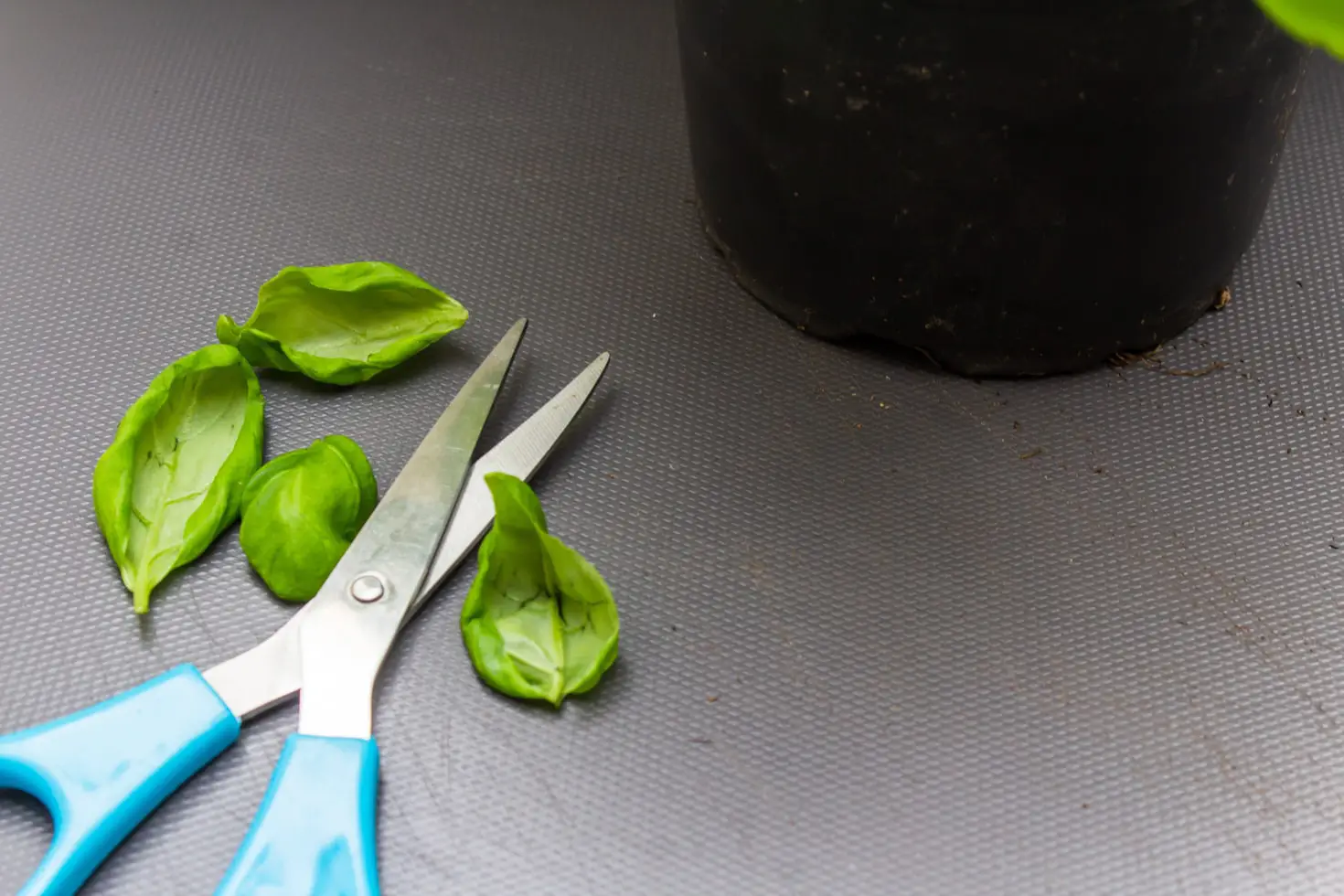

There’s nothing quite like stepping into your garden and snapping off a few crisp, fresh lettuce leaves for your lunch. It’s one of those simple gardening joys that never gets old! But if you’re growing varieties like butterhead, romaine, or loose-leaf, there’s a bit of a secret to keeping the harvest going. The goal isn’t just to pick it once; it’s to harvest in a way that encourages the plant to grow back, giving you fresh salads for weeks on end.
However, timing is everything. Harvest too early, and the leaves lack flavor; wait too long, and they turn bitter or ‘bolt’ (go to seed). Plus, if your cutting technique is off, the plant might not recover at all.
In this guide, I’m going to show you exactly how to master the ‘cut-and-come-again’ method. You’ll learn how to identify when your lettuce is at its peak and the best techniques to ensure a continuous, flavorful harvest all season long. Let’s turn your garden into a never-ending salad bowl!
If you’re growing in a limited space, check out these small garden bed ideas to help you design the perfect spot for your greens.
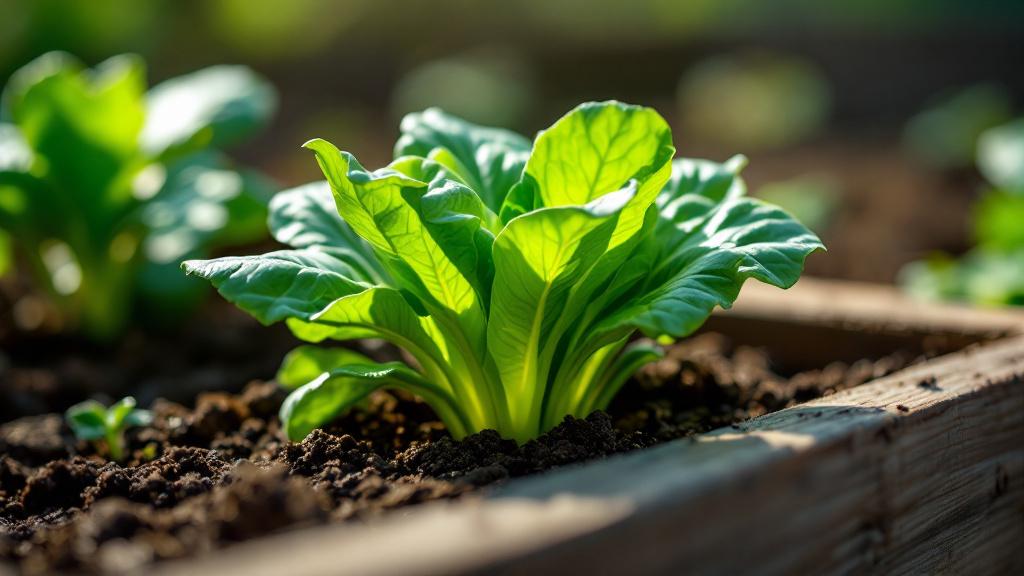
Understanding Lettuce Growth
Before you start cutting, it helps to understand how lettuce grows. Lettuce (Lactuca sativa) is a cool-season crop, thriving in temperatures between 45°F and 75°F. It grows best in spring and fall when the weather is mild. In most garden beds, lettuce matures 30–70 days after planting, depending on the variety.
Lettuce grows from the center of the plant, producing new leaves upward and outward. This means that as long as the growing crown (the central point from which leaves emerge) remains intact, the plant can keep producing new leaves, allowing multiple harvests from one plant.
There are four main lettuce types, and each responds slightly differently to cutting:
- Loose-leaf (leaf lettuce): Individual leaves grow loosely from a central stem. Ideal for “cut-and-come-again” harvesting.
- Romaine (Cos): Forms upright heads; can be cut whole or harvested leaf by leaf.
- Butterhead (Boston/Bibb): Forms soft, round heads that can be picked whole or gently trimmed for partial harvests.
- Crisphead (Iceberg): Forms tight, dense heads. Usually harvested whole, since it doesn’t regrow well.
Step 1: Know When Lettuce Is Ready to Harvest
Timing is key to flavor and texture. Lettuce is sweetest and most tender when harvested before it bolts (sends up a flower stalk). Bolting happens as temperatures rise and days lengthen, causing leaves to become bitter.
Here’s how to tell when your lettuce is ready:
- Loose-leaf varieties: Harvest when leaves are 4–6 inches long.
- Romaine and butterhead: Pick when heads feel firm but not hard.
- Iceberg: Wait until the head is tight and full, typically around 70–80 days after sowing.
A good gardener’s trick: taste a leaf every few days as your lettuce matures. When it tastes perfect to you, tender and mildly sweet, it’s time to cut.
Step 2: Choose the Right Time of Day
The time of day you harvest affects flavor and crispness. The best time to cut lettuce is early in the morning, right after the dew has dried but before the sun gets too strong. At this time, the leaves are full of moisture and at their crispest.
Avoid cutting lettuce during the hottest part of the day; midday sun can cause wilting and reduce shelf life. If you must harvest in the afternoon, cool the leaves immediately in cold water to restore crispness.
Step 3: Tools You’ll Need
You don’t need fancy equipment to cut lettuce, just a few clean, sharp tools and gentle hands. Here’s what you’ll need:
- A sharp knife or garden shears: To make clean cuts without crushing stems.
- A clean container or basket: For gathering leaves.
- Cool water and a clean towel or salad spinner: To rinse and dry your harvest.
Always wash your tools before harvesting to prevent disease spread. Dull or dirty blades can bruise the plant and invite rot or infection.
Step 4: Cutting Techniques: Whole Plant vs. “Cut and Come Again”
There are two main ways to cut lettuce: harvesting the whole plant or using the cut-and-come-again method. Which one you choose depends on your lettuce variety and your gardening goals.
1. Whole-Plant Harvest
This method is best for butterhead, romaine, or crisphead varieties that form distinct heads.
How to do it:
- Wait until the head is full-sized but still tender.
- Using a sharp knife, cut the stem about 1 inch above the soil line.
- Lift the head gently and shake off excess soil.
- If you leave the base intact, small side shoots may regrow for a second mini-harvest.
Pros: Easy, fast, and gives you a full, compact head.
Cons: Often a one-time harvest, especially for iceberg types.
2. Cut-and-Come-Again Harvest
This technique is ideal for loose-leaf lettuce or any variety you want to harvest multiple times from.
How to do it:
- Start when the leaves are about 4–6 inches long.
- Use scissors or a knife to cut outer leaves only, leaving the inner growth intact.
- Make cuts about 1 inch above the crown, avoiding the central growing point.
- Repeat every 1–2 weeks as new leaves mature.
Pros: Provides continuous harvests for 4–6 weeks or longer.
Cons: Requires gentle handling to avoid damaging the crown.
Gardeners who prefer a steady supply of lettuce love this method. You can pick what you need for a salad and let the rest keep growing.
Step 5: Caring for Lettuce After Cutting
Once you’ve harvested, it’s important to handle the lettuce carefully to maintain freshness and encourage regrowth.
For Cut-and-Come-Again Lettuce:
- Water immediately after cutting: Helps reduce stress and speeds up new leaf growth.
- Shade during hot weather: Lettuce can bolt quickly in heat. Use shade cloth or companion plants to keep temperatures down.
- Fertilize lightly: A diluted organic fertilizer (like fish emulsion or compost tea) after harvest helps replenish nutrients.
- Watch for pests: Aphids and slugs are common on new growth. Inspect the undersides of leaves regularly.
New leaves usually appear within 7–10 days, allowing you to harvest again in about two weeks.
For Whole-Head Lettuce:
- After cutting, you can leave the base of the plant in the soil. Sometimes it will produce small “baby” leaves that can be harvested in a few weeks. Otherwise, remove the stump, compost it, and replant a new seedling.
Step 6: Post-Harvest Handling for Freshness
Even the freshest garden lettuce can wilt quickly if not handled correctly. Follow these steps to keep it crisp and flavorful:
- Rinse gently in cool (not icy) water to remove dirt and insects.
- Soak for 5–10 minutes if leaves are limp; this rehydrates them.
- Dry thoroughly using a salad spinner or by blotting with a clean towel.
- Store in a breathable container (like a paper towel-lined bag or a produce box with holes) in the refrigerator.
Properly handled, garden lettuce can stay fresh for 7–10 days in the refrigerator.
Step 7: Extending the Harvest Season
If you love garden-fresh lettuce, there are ways to keep it coming longer — even through summer heat or into cooler months.
For Hot Weather:
- Plant heat-tolerant varieties like ‘Black Seeded Simpson’ or ‘Oak Leaf.’
- Use shade cloth or plant lettuce near taller crops like tomatoes to reduce direct sun.
- Water consistently to keep the soil cool and moist.
- Harvest more frequently to prevent bolting.
For Cool Weather:
- Use cold frames or row covers to protect against frost.
- Plant successive rows every 2–3 weeks from early spring to late fall for a steady supply.
- In milder regions, lettuce can even overwinter with protection and resume growth in early spring.
Common Mistakes to Avoid
Even experienced gardeners sometimes struggle with lettuce harvests. Here are a few pitfalls to watch for:
- Cutting too close to the crown: This prevents regrowth in cut-and-come-again harvesting.
- Waiting too long to harvest: Lettuce becomes bitter once it bolts.
- Harvesting during heat: Causes limp, less flavorful leaves.
- Skipping soil care: Repeated harvests can deplete nutrients, so refresh soil with compost or light feeding.
At the end of the day, cutting lettuce in your garden isn’t just another chore; it’s a skill that connects you to the natural rhythm of growth and harvest. Whether you prefer trimming a few leaves every week for a quick sandwich or harvesting whole heads for a big family dinner, the key is all in the timing.
By mastering these simple techniques, you ensure that your garden stays productive and your salads stay crisp and sweet. So, the next time you head out with your garden shears, remember that a little bit of knowledge goes a long way. Grab your basket, head to your lettuce patch, and enjoy the freshest harvest you’ve ever had!
In the right way, keep your garden productive and your salads bursting with flavor.
The key is simple: cut high, cut often, and cut gently. Treat your lettuce plants with care, and they’ll reward you with weeks, even months, of crisp, tender leaves straight from the garden to your table.


