


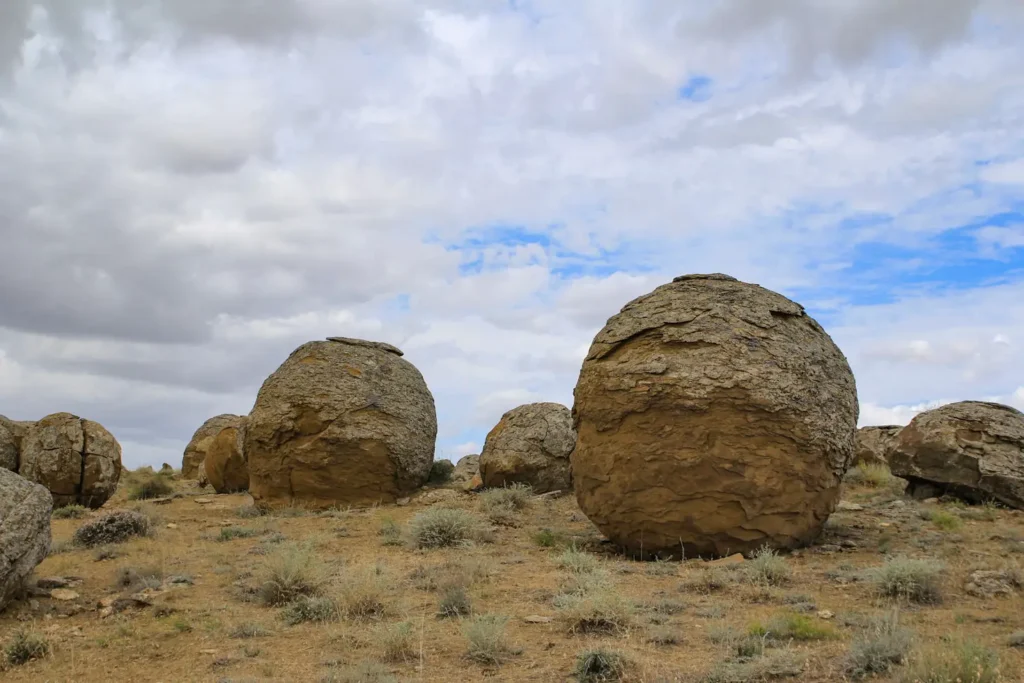
Landscape rock is one of the most attractive, low-maintenance ways to enhance outdoor spaces. Whether you’re designing a rock garden, a pathway, or a dry creek bed, rocks provide structure, texture, and natural beauty that lasts for decades. But before starting your project, it’s essential to understand what landscape rock costs, how prices vary, and what additional expenses you should expect.
This guide breaks down the average cost of landscape rock, factors that influence pricing, how to calculate how much you need, and tips for saving money while achieving a professional-looking result.
Understanding Landscape Rock
“Landscape rock” is a broad term that covers many types of stone used in outdoor design. It includes decorative pebbles, crushed stone, river rock, lava rock, gravel, and even large boulders. Because these materials come in various shapes, sizes, and colors, their prices differ significantly.
In general, basic crushed rock and gravel are the most affordable options, while decorative river rocks and colored pebbles cost more. Specialty stones like lava rock or quartz can be among the priciest. Additionally, large boulders or unique stones may have premium pricing due to their weight, rarity, or aesthetic appeal.
Average Cost of Landscape Rock
The price of landscape rock depends on the material, size, and location. On average, you can expect the following price ranges per cubic yard or ton:
- Crushed stone or gravel: $30–$65 per cubic yard, or about $10–$50 per ton
- Pea gravel: $45–$80 per cubic yard, or $20–$60 per ton
- River rock: $50–$160 per cubic yard, or $45–$130 per ton
- Lava rock or colored decorative stone: $75–$200+ per cubic yard, or $80–$240+ per ton
- Large boulders: $100–$600+ per ton, depending on size and type
These figures represent material-only costs. Delivery, labor, edging, and site preparation can easily double the final price.
Cubic Yards, Tons, and Bags — Understanding the Units
Landscape rock is sold by cubic yard, ton, or bag, and knowing how to convert between them helps you avoid overpaying.
- Cubic yard (yd³): Measures volume — about 3 ft × 3 ft × 3 ft of material.
- Ton: Measures weight. One cubic yard of rock typically weighs between 1.2 and 1.5 tons, depending on the material.
- Bags: Sold at hardware stores, usually in 0.5-cubic-foot bags. These are convenient for small projects but much more expensive per unit than buying in bulk.
If you only need to cover a few square feet, bags are fine. For large areas, ordering by the yard or ton is far more economical.
How to Calculate How Much Rock You Need
Estimating the correct amount of rock prevents unnecessary expense and waste. Here’s how to calculate it:
- Measure your area: Multiply length × width to get square feet.
- Decide on depth: Most landscape rock should be 2–3 inches deep for proper coverage.
- Convert to cubic yards:
Multiply area (in square feet) × depth (in feet) ÷ 27 = cubic yards.
For example, if your flower bed is 10 ft by 10 ft (100 sq ft) and you want 3 inches of rock:
Depth in feet = 3 ÷ 12 = 0.25 ft
Volume = 100 × 0.25 ÷ 27 = 0.93 cubic yards → round up to 1 cubic yard.
One cubic yard of rock covers roughly 100 square feet at 3 inches deep.
Delivery, Labor, and Other Costs
When planning your budget, remember that the price of rock is only part of the total cost.
- Delivery Fees
Most suppliers charge a flat delivery fee ranging from $50 to $150, depending on distance, weight, and load size. Rural or hard-to-reach areas may cost more. - Labor and Installation
If you’re hiring a landscaper, expect to pay between $5 and $20 per square foot for professional installation. This price includes site preparation, spreading the rock, edging, and cleanup. - Site Preparation
Before rock installation, the area must be cleared of weeds, leveled, and often lined with landscape fabric to prevent weed growth. Edging materials like metal strips, pavers, or plastic borders may also be needed to keep the rocks contained. - Tools and Equipment
Wheelbarrows, rakes, shovels, and gloves are necessary for DIY installation. For larger projects, you may need to rent equipment like compactors or mini-loaders, which can add $50–$150 per day. - Depth and Coverage
A deeper layer means more material. For example, doubling the depth from 2 inches to 4 inches roughly doubles the cost.
When all these elements are combined, a simple project can cost between $5 and $15 per square foot overall.
Example Cost Breakdown
Let’s calculate an example to see how the numbers add up.
Scenario: A 10 ft × 10 ft garden bed (100 sq ft) using decorative river rock, 3 inches deep.
- Rock needed: 1 cubic yard
- Rock price: $100 per cubic yard
- Delivery fee: $80
- Labor: $5 per square foot × 100 = $500
Total estimated cost: $680
A DIY approach could lower that cost by removing labor, bringing the total to around $180.
Regional Price Differences
The cost of landscape rock varies depending on where you live. Areas close to rock quarries or suppliers often have lower prices, while locations that require long-distance transport may see higher rates due to fuel and delivery costs. Coastal areas or regions with limited natural stone resources may also charge more for decorative options.
Seasonal demand plays a role, too. Prices can rise during spring and summer when landscaping projects peak, and drop slightly in fall or winter.
Factors That Influence Price
Several key factors affect how much you’ll pay for landscape rock:
- Rock Type: Rare or colorful stones cost more than common gravel.
- Size: Smaller pebbles are lighter and easier to spread, but large stones and boulders require special handling.
- Color Consistency: Uniform colors and polished textures often cost extra.
- Distance from Supplier: Transporting heavy rock adds substantial cost.
- Quantity Purchased: Bulk purchases are significantly cheaper per yard.
- Accessibility of the Site: Difficult terrain, narrow access points, or steep slopes increase labor costs.
Understanding these factors helps you plan and prioritize where to spend or save.
Tips to Save Money on Landscape Rock
If you’re on a budget, there are several ways to reduce costs without compromising quality:
- Buy in Bulk: Ordering by the cubic yard or ton is much cheaper than buying bagged rock.
- Use Local Stone: Locally sourced rock avoids high shipping costs and often blends naturally with the surrounding environment.
- Do It Yourself: Spreading rock is labor-intensive but manageable for most homeowners. A DIY approach can cut project costs by half or more.
- Shop Around: Prices vary between suppliers, so compare quotes from local landscape yards, quarries, and garden centers.
- Plan the Depth Carefully: Don’t use more rock than necessary—2 to 3 inches is ideal for most decorative applications.
- Mix Rock Types: Combining decorative and cheaper base rock can provide the same look for less.
- Use Landscape Fabric: It prevents weeds and keeps rock clean longer, saving on maintenance.
When It’s Worth Spending More
Sometimes paying more up front leads to better long-term value. Higher-quality decorative stones often last longer, resist fading, and require less maintenance. In areas with poor drainage, choosing specialty rock like lava rock or larger river stones can improve water flow and prevent erosion.
Premium rock also adds curb appeal. If you’re improving the front yard or creating a focal feature like a dry creek bed or Zen garden, the visual upgrade can justify the added cost.
Maintenance and Longevity
One of the greatest benefits of using landscape rock is its durability. Unlike mulch, rock doesn’t decompose, blow away, or attract pests. Once installed properly, it can last for decades with minimal upkeep. Occasional raking and weed removal are usually all that’s needed.
Over time, you may need to add a small amount of fresh rock to maintain coverage, especially in high-traffic areas. Periodic cleaning with a leaf blower or hose helps keep the stones looking vibrant.
The cost of landscape rock depends on the type of stone, project size, and whether you’re handling the installation yourself or hiring professionals. On average, expect to spend anywhere from $30 to $200 per cubic yard for materials, with total installed costs ranging from $5 to $20 per square foot.
While the initial expense can seem high, landscape rock is a long-lasting, low-maintenance solution that adds structure, texture, and color to outdoor spaces. Whether you opt for affordable gravel or premium decorative stone, planning your budget carefully ensures you get the best value for your investment.
With the right preparation and design choices, your landscape rock project can become a lasting, beautiful feature of your home’s exterior for many years to come.