


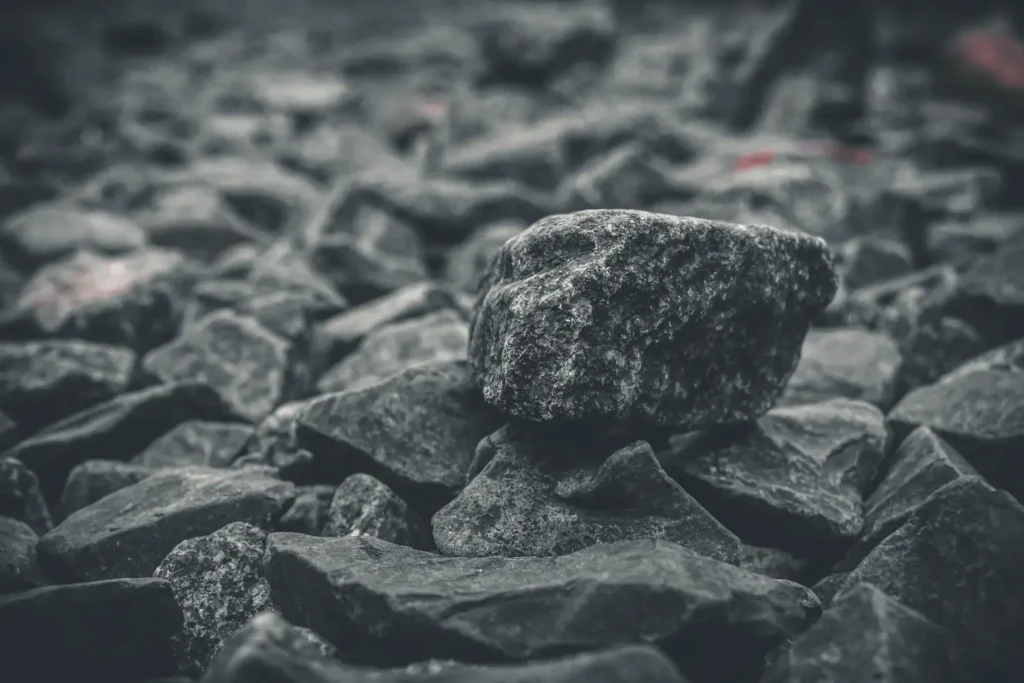
Rock is one of the most essential and versatile materials in construction and landscaping. Whether you’re building a driveway, creating a decorative garden feature, or constructing a retaining wall, understanding how much rock costs can help you budget efficiently and choose the right material for your project.
However, the cost of rock can vary dramatically depending on its type, size, quality, location, and intended use. From inexpensive crushed gravel to decorative marble chips and massive granite boulders, prices range from a few dollars per ton to hundreds. This guide explains the main price ranges, what influences rock costs, and how to make smart buying decisions.
Why Rock Prices Vary So Widely
The term “rock” covers a broad spectrum of materials used for different purposes, such as construction aggregates, landscaping stones, decorative gravel, or feature boulders. The key reason prices differ is that each type requires different levels of extraction, processing, and transport.
Here are the main factors that influence how much rock costs:
1. Type of Rock
Not all rocks are created equal.
- Common crushed stone (limestone, granite, basalt) is widely available and relatively inexpensive.
- Decorative rocks such as river rock, lava rock, marble chips, and polished pebbles are priced higher due to their aesthetic appeal.
- Boulders and feature rocks cost more because of their size, uniqueness, and the equipment needed to transport them.
2. Size and Form
Rock is sold in various forms: crushed, rounded, or as large blocks. Smaller aggregate or gravel is less expensive because it’s easier to handle and transport, while large rocks and boulders require cranes or special trucks.
3. Processing and Finishing
Unprocessed rock directly from a quarry is cheaper than cut, polished, or tumbled stones. For example, rough gravel may cost under $50 per ton, while polished decorative pebbles can exceed $300 per ton.
4. Color and Rarity
Common gray limestone or granite is affordable, but rare colors—like deep red lava rock or black polished river stones—command a premium. Color uniformity also raises value, especially for decorative or architectural use.
5. Location and Delivery Distance
Transporting rock is expensive because of its weight. A ton of rock may cost less than $50 at the quarry, but double once delivered. The closer you are to the source, the more you save.
6. Quantity Purchased
Bulk orders for construction often cost less per ton compared to small retail purchases for home landscaping.
7. Market Conditions
Seasonal demand, fuel prices, and local supply all impact rock prices. In growing urban areas or during peak construction seasons, prices can rise sharply.
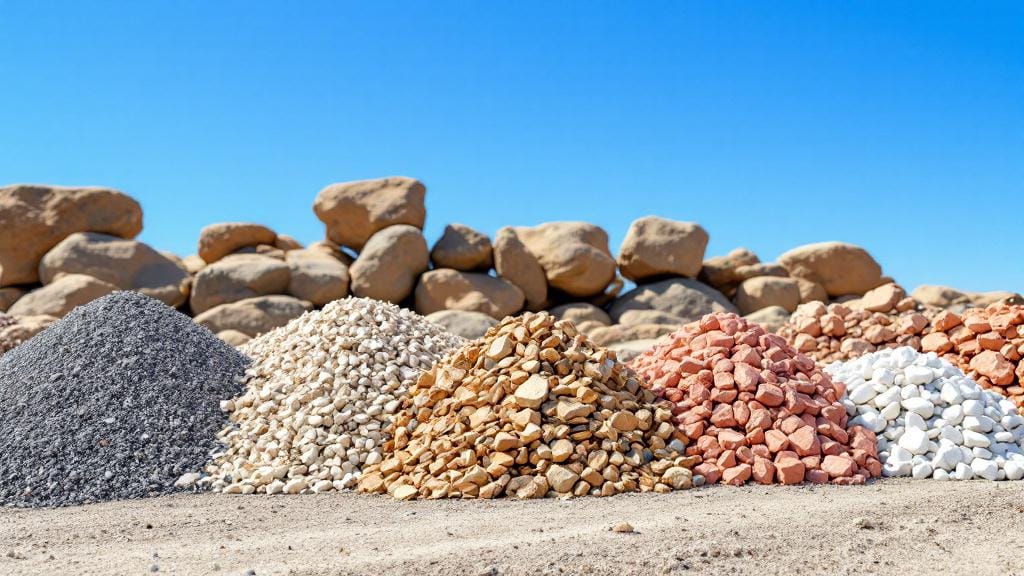

Typical Price Ranges by Rock Type
Below are general estimates for different types of rock, based on average market rates around the world. Prices vary by location, supplier, and delivery distance.
1. Crushed Stone and Gravel
Crushed stone is used for driveways, foundations, and pathways. It’s one of the most affordable materials for outdoor projects.
- Basic crushed stone or gravel: $25–$60 per ton
- Limestone or granite aggregate: $30–$70 per ton
- Special colors or decorative gravel: $50–$100 per ton
Common uses: Driveways, base material under pavers, drainage, and construction fill.
2. River Rock
River rock is smooth, rounded, and naturally shaped by water. It’s highly decorative and comes in a variety of sizes.
- Small river rock (1–2 inches): $60–$120 per ton
- Medium to large river rock (3–6 inches): $100–$200 per ton
- Polished or exotic river rock: $200–$400 per ton
Common uses: Garden beds, pathways, water features, and borders.
3. Lava Rock and Volcanic Stone
Lightweight and porous, lava rock adds unique texture and color to landscapes.
- Standard red lava rock: $70–$150 per ton
- Black or specialty lava rock: $120–$250 per ton
Common uses: Mulch replacement, decorative ground cover, and fire pits.
4. Marble Chips and Quartz Stones
These premium decorative stones offer bright colors and reflectivity that make landscapes stand out.
- Marble chips: $100–$250 per ton
- White quartz pebbles: $150–$300 per ton
- Polished or imported stones: $300–$500 per ton
Common uses: Ornamental gardens, pathways, and modern landscape designs.
5. Boulders and Feature Rocks
Large rocks used for focal points, retaining walls, or seating areas cost much more per ton because of their handling and transport needs.
- Common boulders: $100–$250 per ton
- Decorative or shaped boulders: $250–$400 per ton
- Unique or rare color boulders: $400–$600 per ton or higher
Common uses: Garden accents, water features, structural landscaping, and erosion control.
Boulders are a long-term investment that adds permanence to your garden. If you’re ready to start your project and are wondering where can I buy large stones, local quarries and specialized landscape centers are usually the best places to find high-quality options.
6. Sandstone, Flagstone, and Slate
These flat stones are used for patios, walkways, and walls. Prices vary based on thickness, finish, and color.
- Basic flagstone: $150–$300 per ton
- Premium or cut flagstone: $300–$600 per ton
Common uses: Paved patios, stepping stones, and decorative walls.
How Rock Prices Are Measured
Rocks are typically sold by the ton, though smaller quantities may be sold by the cubic yard or bag at retail garden centers. Understanding conversions helps you estimate costs accurately:
- 1 cubic yard of crushed rock = 1.4 to 1.6 tons
- 1 ton of rock = roughly 0.6 to 0.7 cubic yards
- One pickup truck load (½ ton to 1 ton) usually covers 40–80 square feet, depending on depth.
For most landscape or construction projects, suppliers will estimate the amount based on the area you need to cover and the desired depth (commonly 2–3 inches for gravel).
Example Cost Scenarios
Scenario 1: Driveway with Crushed Granite
A 12-by-50-foot driveway (600 square feet) requires about 4 tons of crushed granite. At $45 per ton, the total material cost is around $180, plus delivery and installation.
Scenario 2: Decorative Garden with River Rock
For a 200-square-foot garden area with 2 inches of river rock, you’ll need roughly 2.5 tons. At $120 per ton, the total cost is around $300, plus delivery.
Scenario 3: Stone Patio with Flagstone
A flagstone patio of 200 square feet might require 3 tons of stone. At $400 per ton for premium flagstone, expect around $1,200 in stone costs, not including base material or labor.
Scenario 4: Landscape Boulders
A single decorative granite boulder weighing 2 tons at $250 per ton would cost $500, with potential delivery and placement costs of $200–$500 more.
Not all rocks are created equal. Understanding the properties of construction aggregates like limestone and granite can help you choose the most durable material for your specific climate and project needs.
Hidden Costs to Consider
When budgeting for rock, remember that the price per ton is only part of the story. Additional expenses can significantly impact the total project cost.
- Delivery Fees: Can range from $50 to $200 depending on distance and load size.
- Installation or Labor: Professional installation may double or triple the total cost, especially for boulders or large-scale projects.
- Equipment Rentals: For big jobs, you may need wheelbarrows, compactors, or small loaders.
- Waste and Overages: Always order 5–10% extra to account for compaction or coverage gaps.
- Base Material and Edging: Gravel driveways or patios require base layers, edging stones, or borders for stability.
Tips for Buying Rock
- Buy in Bulk: Purchasing several tons at once can lower your per-ton cost significantly.
- Choose Local Suppliers: Reduces transport fees and ensures fresher, cleaner material.
- Visit the Yard: Seeing the rock in person helps you judge color and size better than photos.
- Check for Mixed Loads: Some suppliers blend rock types; make sure you’re getting pure material.
- Ask About Delivery Timing: Coordinate delivery close to your installation date to prevent mess or material loss.
Environmental and Practical Considerations
Using rock in landscaping offers several practical and environmental benefits:
- Low Maintenance: Unlike mulch, rock doesn’t decompose, making it long-lasting.
- Erosion Control: Heavier rocks help stabilize slopes and prevent soil erosion.
- Water Conservation: Rocks retain little water, ideal for xeriscaping and drought-prone areas.
- Durability: Rocks withstand heavy weather and foot traffic far better than organic materials.
However, keep in mind that darker rocks can retain heat and raise soil temperature, which might affect nearby plants.
The cost of rock depends heavily on its type, size, finish, and location. Here’s a quick summary:
| Type of Rock | Average Cost per Ton | Common Uses |
| Crushed Gravel / Limestone | $25–$70 | Driveways, base layers, construction |
| Decorative River Rock | $60–$200 | Gardens, borders, water features |
| Lava Rock | $70–$250 | Mulch replacement, fire pits |
| Marble Chips / Quartz | $100–$500 | High-end landscaping |
| Boulders | $100–$600 | Focal points, retaining walls |
| Flagstone / Slate | $150–$600 | Patios, walkways |
On average, most homeowners spend between $200 and $800 on rock materials for small landscaping projects, while larger installations or decorative features can cost several thousand dollars.
Ultimately, rock is a long-term investment. It adds structure, durability, and beauty to any space. Choosing the right type for your project—and sourcing it smartly—ensures you get the best value for your money while creating a lasting, low-maintenance outdoor environment.