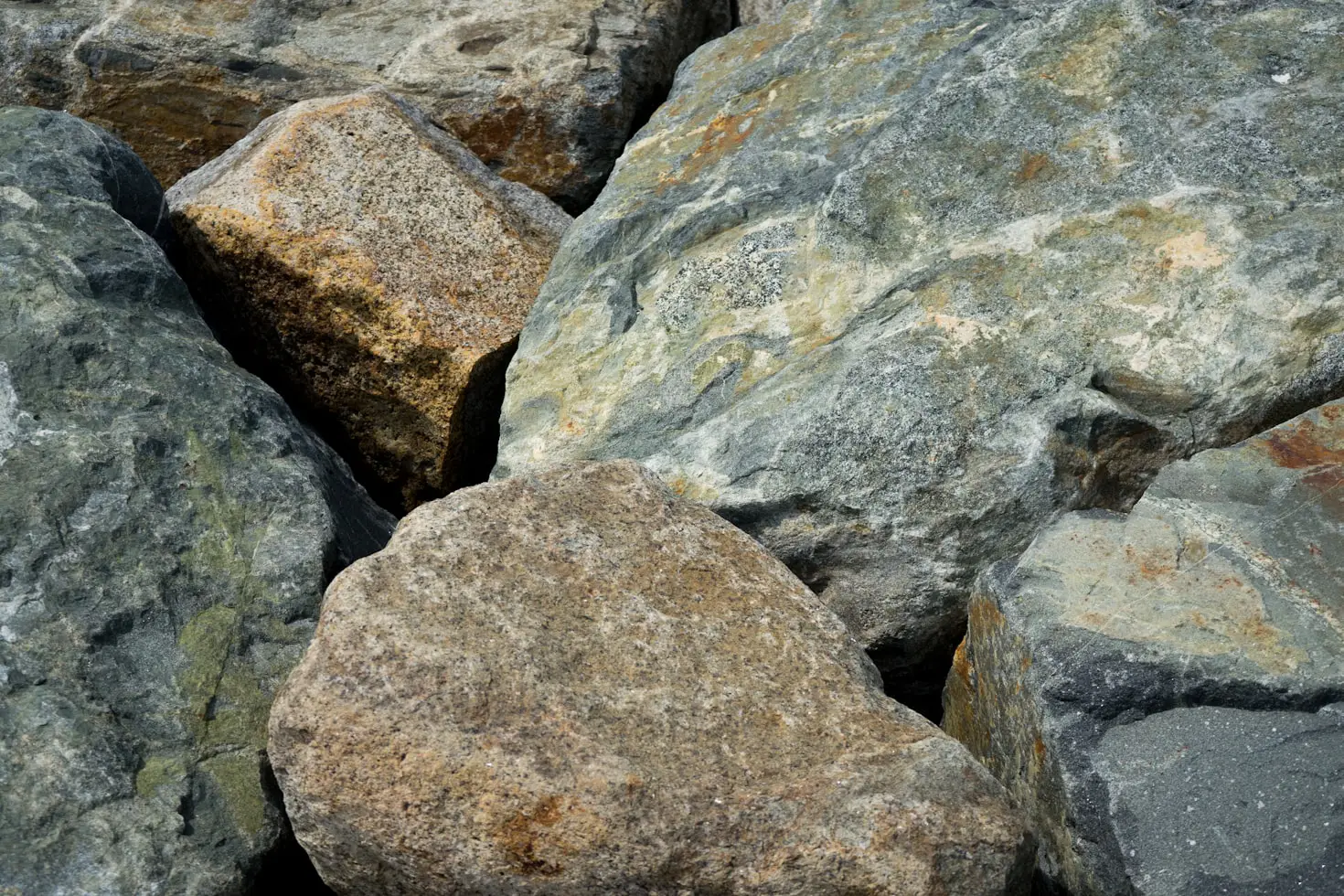

Whether you’re landscaping your yard, building a driveway, or managing a large construction project, one of the first questions that comes up is simple but important: how much does a ton of rock cost?
The answer depends on several factors, including the type of rock, where you’re buying it, how much you need, and how far it needs to travel. In 2025, material and transportation costs have fluctuated along with fuel and labor prices, so it’s more important than ever to understand what you’re paying for.
This guide breaks down average costs by rock type, explains why prices vary, and gives tips on how to save money when purchasing bulk rock or gravel.
1. Average Cost of a Ton of Rock in 2025
The term “rock” can mean many things — from decorative landscaping stones to crushed limestone for road base. Here’s a general overview of average retail prices per ton (USD) in the U.S. market as of late 2025:
| Type of Rock | Average Price per Ton | Typical Use |
| Crushed Limestone | $30 – $50 | Driveways, construction base |
| Crushed Granite | $40 – $70 | Driveways, pathways, decorative |
| Pea Gravel | $35 – $60 | Landscaping, drainage |
| River Rock | $60 – $170 | Decorative landscaping, erosion control |
| Lava Rock | $80 – $250 | Mulch replacement, xeriscaping |
| Marble Chips | $100 – $200 | Landscaping, decorative borders |
| Slate Chips | $80 – $150 | Walkways, gardens |
| Recycled Concrete (Crushed) | $20 – $40 | Base fill, eco-friendly projects |
| Sandstone | $50 – $100 | Construction, decorative use |
As you can see, prices can range widely — from $20 per ton for recycled materials up to $250 per ton for premium decorative rocks.
However, the rock itself isn’t the only cost. Delivery, labor, and regional pricing differences can double your total expense.
2. Factors That Affect Rock Prices
The cost of a ton of rock isn’t just about the stone itself — it’s a reflection of several interconnected factors.
a. Type and Quality of Rock
Different rocks have different densities, colors, and uses. For example:
- Crushed limestone is abundant in many regions and relatively inexpensive.
- Granite and marble chips, while visually appealing, require more energy to quarry and transport.
- River rock is naturally rounded and sorted by water over time, which makes it more expensive due to sorting and washing costs.
b. Size and Processing
Rock is sold in various sizes — from fine gravel (under ¼ inch) to large boulders (over 12 inches). Smaller, uniformly sized rocks often cost more because they require more crushing and screening.
c. Transportation and Distance
Rock is heavy — a ton of crushed stone typically covers 70 to 100 square feet at two inches deep. Because it’s dense and bulky, delivery costs often exceed the price of the rock itself when hauling over long distances.
- Local quarry deliveries: $0.10–$0.25 per ton-mile
- Long-distance transport: $0.25–$0.50 per ton-mile or more
This means a 20-mile delivery could easily add $50–$150 per truckload.
d. Regional Availability
Prices are lower in areas with abundant quarries (for example, limestone in the Midwest) and higher where rock must be imported (such as coastal or desert areas).
Urban demand also drives costs up due to competition and limited supply.
e. Quantity Ordered
Buying rock in bulk usually reduces the per-ton price. A single ton might cost $50 retail, while a 20-ton truckload might average closer to $35 per ton.
f. Season and Market Conditions
Construction and landscaping seasons (spring and summer) see spikes in demand, leading to temporary price increases. Fuel costs also play a big role: when diesel prices rise, so does delivery.
3. How Rock is Sold and Measured
Understanding how rock is measured and sold helps you budget more accurately.
- By ton: The most common measurement for bulk deliveries.
- By cubic yard: Roughly 1.4–1.6 tons per cubic yard depending on the rock’s density.
- By truckload: Standard dump trucks carry 10–20 tons.
To estimate how much rock you need:
- Measure your area (length × width × depth in feet).
- Convert cubic feet to cubic yards (divide by 27).
- Multiply cubic yards by the rock’s weight per yard (1.4–1.6 tons).
Example:
A 10’ × 20’ driveway at 2 inches deep = 200 sq ft × 0.17 ft = 34 cubic ft = 1.26 cubic yards ≈ 1.8 tons.
At $50/ton, expect to spend around $90–$100 before delivery.
4. Cost Breakdown by Project Type
Let’s look at how these costs translate into real-world projects.
a. Gravel Driveway
Crushed stone or gravel driveways typically require 10–20 tons for a small residential area.
- Material: $400–$800
- Delivery: $100–$200
- Installation (optional): $0.50–$1.50 per square foot
Total: $800–$2,000 for a standard 2-car driveway.
b. Landscaping and Garden Beds
Decorative river rock or lava rock adds visual appeal and weed control.
- 1 ton covers 70–100 sq ft at 2-inch depth.
- Material cost: $60–$250 per ton
- Labor (if hired): $40–$100 per hour
Total: $300–$1,000 depending on area and rock type.
c. Erosion Control or Drainage
For French drains or slope stabilization, crushed granite or river rock works best.
- Material: $35–$70 per ton
- You’ll need 2–5 tons for a small property project.
Total: $150–$500 average.
5. Hidden Costs and Delivery Fees
Don’t forget these additional expenses that can impact your total bill:
- Delivery Charges: $50–$200+ depending on distance and quantity.
- Fuel Surcharges: Common in 2025 due to fluctuating diesel prices.
- Minimum Order Fees: Some suppliers require a 2–5 ton minimum.
- Dumping or Spreading Fees: If the driver spreads the load, expect $30–$50 extra.
- Permit Fees: In rare cases (especially for public road projects), municipalities require haul or placement permits.
6. Tips to Save Money When Buying Rock
Buying rock doesn’t have to break the bank. Here are practical ways to cut costs:
✅ 1. Buy Local
The closer the quarry, the cheaper the delivery. Even saving 10 miles can reduce your bill by $30–$50.
✅ 2. Purchase in Bulk
Small retail bags at home improvement stores cost up to $250–$400 per ton when you break it down. Bulk orders from a quarry or landscape supplier cost 70–90% less.
✅ 3. Use Recycled Materials
Crushed concrete or reclaimed asphalt is an eco-friendly and cost-effective option for driveways or base layers, averaging $20–$40 per ton.
✅ 4. Compare Vendors
Get at least three quotes and ask about included delivery, fuel surcharges, and minimum order sizes.
✅ 5. Time Your Purchase
Buy during the off-season (late fall or winter) when suppliers are less busy and may offer discounts.
✅ 6. Mix Decorative and Base Rock
For landscaping, you can use cheaper crushed stone beneath a thin layer of decorative rock to save on high-end material.
7. Environmental and Sustainability Considerations
In recent years, sustainability has become a growing concern in construction and landscaping. The rock industry is adapting through:
- Recycling concrete and asphalt to reduce quarrying.
- Local sourcing to minimize carbon emissions from transport.
- Eco-friendly washing and sorting techniques that use less water.
While these green options sometimes cost a bit more upfront, they offer long-term savings and environmental benefits.
8. Example Price Scenarios
Here are a few sample estimates to give you a clearer picture:
| Project | Quantity | Rock Type | Material Cost | Delivery | Total |
| Small Garden Path | 2 tons | Pea Gravel | $100 | $75 | $175 |
| Two-Car Driveway | 15 tons | Crushed Limestone | $600 | $150 | $750 |
| Decorative Front Yard | 5 tons | River Rock | $600 | $100 | $700 |
| Retaining Wall Drainage | 8 tons | Crushed Granite | $400 | $120 | $520 |
So, how much does a ton of rock cost?
In 2025, you can expect to pay anywhere from $20 to $250 per ton, depending on type, quality, and location. For most common uses — driveways, pathways, or drainage — the average cost typically lands around $40 to $70 per ton delivered.
If you’re doing a small DIY project, local landscape suppliers or stone yards are your best bet. For large-scale construction, sourcing directly from a quarry or wholesaler will yield significant savings.
Ultimately, understanding the variables — from delivery fees to material type — empowers you to budget accurately, negotiate better deals, and choose the right stone for your project’s needs and aesthetic.


