


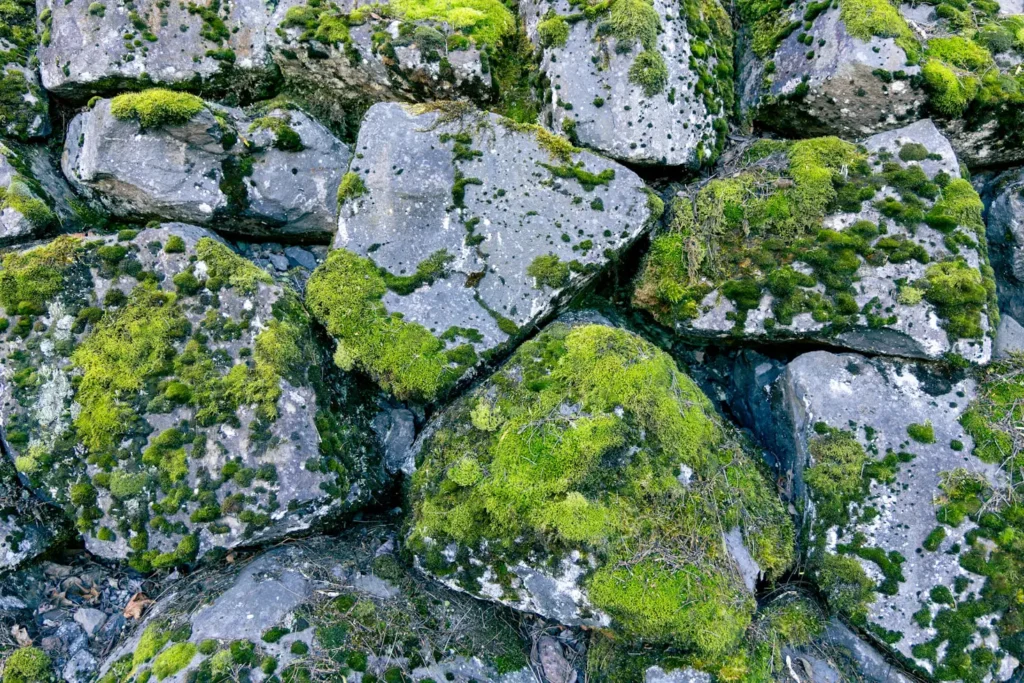
Landscaping rocks have become one of the most popular materials in outdoor design. From elegant river stones that edge a garden path to bold boulders that anchor a modern xeriscape, rocks add color, texture, and permanence that plants alone can’t provide. But before you start ordering truckloads of stone, it’s worth asking the key question: how much do landscaping rocks cost?
Prices in 2025 vary widely depending on the rock type, size, and location, but understanding these factors can help you build a realistic budget and avoid expensive surprises. This guide explains average rock prices, what influences costs, and how to get the most value for your landscaping dollar.
1. Average Cost of Landscaping Rocks in 2025
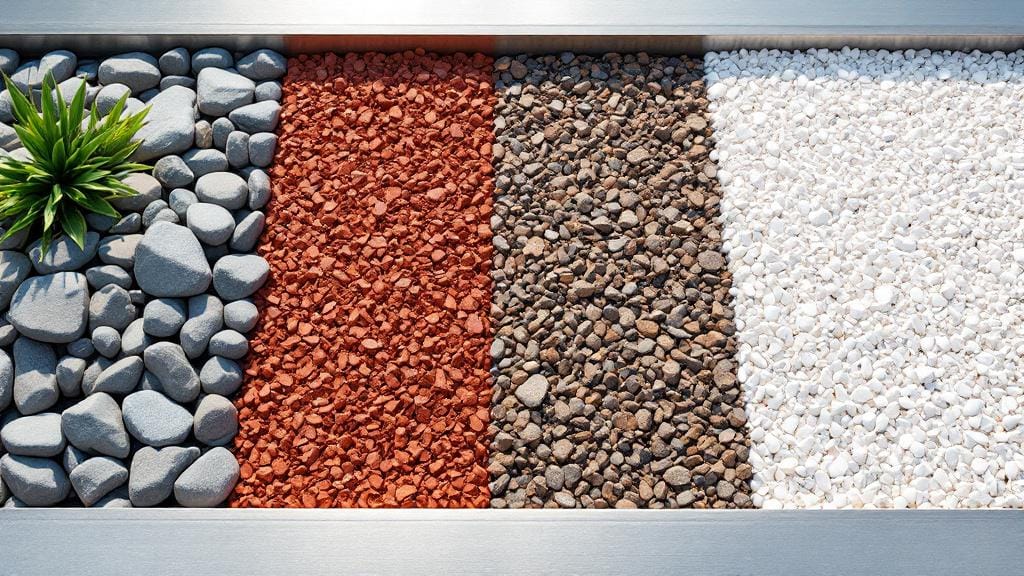
The cost of landscaping rock depends largely on the type and purpose. Decorative stones used for garden beds are typically more expensive than crushed gravel for paths or base layers. Below are average U.S. retail prices per ton in late 2025:
| Rock Type | Average Cost per Ton (USD) | Common Uses |
| Pea Gravel | $35 – $60 | Walkways, play areas, drainage |
| River Rock | $60 – $170 | Decorative borders, dry creek beds |
| Lava Rock | $80 – $250 | Mulch substitute for desert landscaping |
| Crushed Granite | $40 – $70 | Paths, driveways, base layers |
| Crushed Limestone | $30 – $50 | Driveways, garden foundations |
| Marble Chips | $100 – $200 | High-end decorative accents |
| Slate Chips | $80 – $150 | Modern landscape designs |
| Boulders (per ton) | $100 – $600 | Focal points, retaining walls |
| Recycled Concrete | $20 – $40 | Budget-friendly base fill |
In general, most homeowners spend between $400 and $1,500 on landscaping rock projects, depending on size and material. For reference, a ton of rock covers about 70–100 square feet at two inches deep.
As shown in the table, prices vary significantly between basic gravel and premium decorative stones. If you are looking for a more specific breakdown of these costs per project, you can explore our detailed analysis on how much is landscape rock to help finalize your budget.
2. Factors That Affect Landscaping Rock Prices
The wide range in price stems from a few key variables that every buyer should understand.
a. Type and Rarity of Rock
Common rocks like pea gravel or crushed limestone are abundant and easy to quarry, so they’re cheaper. Premium options like polished river rock, marble chips, or volcanic lava stone require more processing or come from limited sources, raising costs.
b. Rock Size and Finish
Smaller, uniform stones are usually screened and washed, adding to the price. Large boulders cost more per ton because of handling, transportation, and the need for special equipment to install them.
c. Geographic Location
Rock is heavy and costly to ship. Buying locally sourced material can save hundreds of dollars. Regions with nearby quarries (Midwest limestone, Southwest granite, Pacific Northwest basalt) typically offer lower prices than areas where rock must be imported.
d. Quantity Ordered
Bulk purchases significantly reduce the cost per ton. Buying small bags from a home-improvement store can cost up to $300–$400 per ton equivalent, while ordering directly from a quarry or landscape supplier can drop that to $40–$60 per ton.
e. Delivery and Labor
Delivery fees average $50–$200 per truckload, depending on distance, and professional installation can add $40–$100 per hour for labor. If heavy equipment is needed for boulders or slope work, costs increase further.
f. Seasonal Demand and Fuel Costs
Peak landscaping season (spring and summer) drives up both demand and transportation prices. Off-season purchasing, late fall or winter, can yield notable savings.
3. Cost by Project Type
To help visualize the numbers, here’s how rock costs play out across different landscape projects.
a. Garden Beds and Borders
- Material: River rock, lava rock, or pea gravel
- Cost per ton: $60–$200
- Coverage: 70–100 sq ft per ton (2-inch depth)
- Typical project cost: $300–$800 for a medium-sized bed
Decorative rocks replace mulch and last for decades, making them cost-effective long-term despite a higher upfront price.
b. Pathways and Walkways
- Material: Pea gravel, crushed granite, or decomposed granite
- Cost per ton: $35–$70
- Installation: $1–$3 per sq ft, including labor
- Total: $500–$1,500 for a 100-sq-ft walkway
Crushed granite or pea gravel paths offer good drainage and a natural look with minimal maintenance.
c. Driveways
- Material: Crushed limestone or granite
- Cost per ton: $30–$60
- Quantity: 10–20 tons for a two-car driveway
- Total: $700–$2,000, including delivery and compaction
While not strictly “landscaping rock,” driveways often form part of an overall outdoor design and benefit from similar material selection logic.
d. Dry Creek Beds and Drainage
- Material: River rock or mixed-size crushed stone
- Cost per ton: $60–$120
- Project size: 5–15 tons typical
- Total: $400–$1,500
A dry creek bed adds charm while managing runoff. Using a mix of small and medium river stones gives it a natural, flowing appearance.
e. Decorative Boulders and Accent Stones
- Cost per ton: $100–$600
- Installation: $50–$200 per boulder (depending on size/equipment)
- Total: $300–$1,500 for a small garden arrangement
Large stones often serve as focal points in minimalist or Japanese-style gardens.

4. Additional Costs to Consider
When budgeting for landscaping rocks, factor in more than just the rock price itself.
| Expense Type | Typical Range | Notes |
| Delivery | $50 – $200+ | Depends on distance and tonnage |
| Spreading/Labor | $40 – $100 per hour | Skilled workers ensure even depth and slope |
| Fabric or Weed Barrier | $0.20 – $0.50 per sq ft | Reduces weed growth under rocks |
| Edging Materials | $1 – $3 per linear ft | Keeps rocks contained |
| Equipment Rental | $50 – $200/day | Wheelbarrows, compactors, or mini-loaders |
| Cleanup/Disposal | $50 – $100 | For old mulch or debris removal |
These “hidden” items often add 15–30% to the total project cost but help ensure longevity and appearance.
5. How to Estimate the Amount of Rock You Need
Because rock is sold by weight, you’ll need to convert your project’s area into tons.
- Measure the area: length × width = square feet.
- Decide on depth: 2 inches is typical for ground cover; 3–4 inches for driveways or drainage.
- Convert to cubic yards: (sq ft × depth in feet) ÷ 27.
- Multiply by rock weight: most rocks weigh 1.4–1.6 tons per cubic yard.
Example:
A 10′ × 20′ garden bed at 2 inches deep:
200 sq ft × 0.17 ft = 34 cubic ft ÷ 27 = 1.26 cubic yards × 1.5 = about 1.9 tons of rock.
At $80/ton for river rock, expect roughly $150 in material plus delivery.
6. Tips to Save Money on Landscaping Rock
Landscaping with stone doesn’t have to be expensive if you plan carefully.
✅ Buy in Bulk
Avoid small bags at retail stores. Ordering by the ton from a quarry or local supplier can cut your cost per pound by up to 80%.
✅ Use Local Materials
Choose rock that’s naturally abundant in your region: limestone in the Midwest, basalt in the Northwest, and decomposed granite in the Southwest. Transporting exotic stones greatly inflates the cost.
✅ Mix Rock Sizes
Using a base layer of cheaper crushed stone beneath a thinner layer of decorative rock gives you the same visual effect for less money.
✅ Shop Off-Season
Landscaping companies and quarries often discount prices in winter when demand is low.
✅ DIY Installation
Spreading smaller rock or pea gravel yourself saves significant labor costs. Just use gloves, a wheelbarrow, and a sturdy rake.
✅ Consider Recycled Materials
Crushed concrete or reclaimed asphalt is inexpensive, durable, and environmentally friendly for base fill or driveways.
7. Environmental and Maintenance Considerations
Besides cost, it’s worth considering sustainability and upkeep.
- Longevity: Unlike organic mulch, rocks don’t decompose, so they rarely need replacing.
- Water Conservation: Rock landscaping suits drought-prone areas and xeriscaping designs.
- Heat Retention: Rocks can reflect heat, so they may not suit every plant type.
- Runoff Management: Use permeable landscape fabric and drainage layers to prevent pooling.
- Sustainability: Recycled or locally quarried stone reduces environmental impact compared with imported decorative rocks.
While rocks have a higher upfront cost than mulch, their low maintenance and decades-long lifespan make them cost-effective over time.
Rock landscaping is an ideal choice for drought-prone areas. You can learn more about the benefits of xeriscaping for water conservation to see how using stone can significantly reduce your monthly water bill.
8. Example Price Scenarios
| Project | Rock Type | Tons Needed | Material Cost | Delivery & Labor | Total |
| 200-sq-ft Garden Bed | River Rock | 2 | $140 | $75 | $215 |
| 100-sq-ft Walkway | Pea Gravel | 2 | $90 | $60 | $150 |
| Two-Car Driveway | Crushed Granite | 15 | $675 | $200 | $875 |
| Decorative Boulder Group | Mixed Boulders | 2 | $400 | $150 | $550 |
| Full-Yard Xeriscape | Lava Rock | 10 | $1,500 | $300 | $1,800 |
These are ballpark numbers, but they illustrate how size and rock type affect total project costs.
9. Long-Term Value: Are Landscaping Rocks Worth It?
Although the initial investment can seem steep, landscaping rocks often saves money over time. Organic mulch must be replaced every year or two, while rock lasts for decades with minimal maintenance. Rocks also deter weeds, prevent soil erosion, and add permanent visual structure to your landscape.
For homeowners in dry climates or those seeking low-maintenance yards, decorative rock offers both practicality and curb appeal. When combined with native plants, it can even increase property value through attractive, sustainable design.
So, how much do landscaping rocks cost in 2025?
On average, expect to pay between $35 and $250 per ton, depending on rock type and location. Most small residential projects fall in the $500–$1,500 range, including delivery.
By buying local, choosing materials wisely, and planning your layout efficiently, you can create a beautiful, lasting landscape without overspending. Whether you’re refreshing a small garden or transforming your entire yard, understanding rock pricing will help you make confident, cost-effective decisions.