


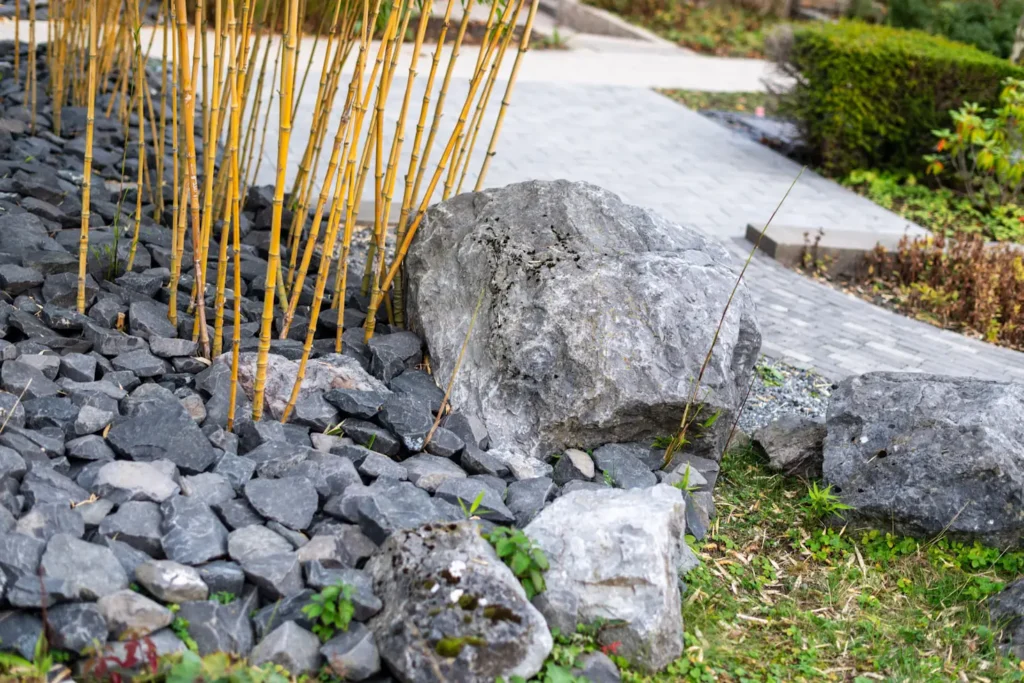
Landscaping rocks are one of the most versatile and long-lasting materials you can use in your garden or yard. Whether you’re designing a decorative rock garden, edging a pathway, building a dry riverbed, or filling flower beds, natural stone can transform any outdoor space.
But before you order a truckload of rocks, it’s smart to understand what you’re paying for. Landscaping rocks come in many types, sizes, and price ranges, from inexpensive gravel to high-end decorative stones. The cost depends on factors like rock type, size, color, delivery, and location.
In this guide, we’ll explore how much landscaping rocks cost, what affects their price, and how to get the best value for your money.
1. Average Cost of Landscaping Rocks
The price of landscaping rocks varies widely, depending on whether you buy by ton, cubic yard, or bag. On average, homeowners spend anywhere from $45 to $250 per ton or $50 to $160 per cubic yard for the most common rocks.
Here’s a quick breakdown of typical price ranges (U.S. averages for material only):
| Rock Type | Cost per Ton | Cost per Cubic Yard | Description |
| Crushed limestone/gravel | $30 – $65 | $40 – $90 | Affordable and great for paths or driveways |
| River rock (1–4 inches) | $45 – $130 | $50 – $160 | Smooth, rounded, attractive for borders and dry beds |
| Lava rock | $80 – $240 | $90 – $300 | Lightweight, porous, and striking in color |
| Pea gravel | $30 – $55 | $35 – $70 | Small, rounded stones for paths and ground cover |
| Decomposed granite | $40 – $100 | $50 – $120 | Compact material ideal for walkways |
| Mexican beach pebbles | $450 – $800 | $500 – $900 | Premium decorative stones, highly polished |
| Large boulders | $100 – $350 | — | Sold individually or by ton, depending on size |
These prices are for materials only. If you include delivery and labor, the total cost can range from $75 to $250 per ton, depending on the distance, access, and amount of rock ordered.
2. Buying by Ton vs. by Cubic Yard vs. by Bag
Landscaping rocks are typically sold in three ways, depending on the scale of your project. For big landscaping jobs, buying by the ton is the most cost-effective method for creating rock gardens, retaining walls, and expansive decorative borders.
- By the ton: Best for large projects such as rock gardens, retaining walls, and decorative borders. One ton usually covers about 70–100 square feet at a depth of 2 inches.
- By the cubic yard: A cubic yard equals about 1.3 tons, depending on the rock type. Many landscape suppliers sell by the yard for convenience.
- By the bag: For small projects, garden centers sell 0.5-cubic-foot bags of rocks for $5–$15 each. But buying this way is more expensive per ton, often $250 to $600+ if you calculate it out.
If you need more than a few bags, it’s almost always cheaper to buy in bulk by ton or cubic yard.
3. Factors That Affect Landscaping Rock Prices
The price of rock is largely determined by its availability and the effort required to extract it. Understanding the geological properties of landscaping aggregates can help you decide which material is best suited for your local climate and specific project needs.
Several key factors determine how much you’ll pay for landscaping rocks.
a) Type of Rock
This is the biggest factor. Common materials like crushed gravel or limestone are inexpensive because they’re widely available. Decorative or imported stones, such as lava rock or polished river pebbles, cost more due to sourcing and processing.
For example:
- Basic crushed rock might be $30 per ton.
- Smooth river rock could cost $100 per ton.
- Exotic black polished pebbles could be $700 per ton.
b) Size of the Rock
Smaller stones like pea gravel or crushed granite are cheaper to produce and transport. Large stones, boulders, or irregular decorative rocks cost more because they’re heavier, harder to handle, and often require specialized equipment for delivery.
c) Color and Finish
Uniformly colored or highly polished stones are often more expensive because of sorting and finishing. Natural mixed-color rocks usually cost less.
d) Quantity and Bulk Pricing
Buying more usually means paying less per ton. Many suppliers offer discounts for orders of 5 tons or more. If you only need a few bags, you’ll pay a premium per pound.
e) Delivery and Transportation
Rocks are heavy, and transportation is a big part of the cost. Delivery fees can range from $50 to $200 per truckload, depending on your distance from the supplier. Rural or hard-to-reach areas may cost even more.
f) Installation Costs
If you’re hiring landscapers, expect to add $25 to $100 per ton for labor, depending on the size and complexity of the project. Installing a rock garden, for instance, is more labor-intensive than spreading gravel on a driveway.
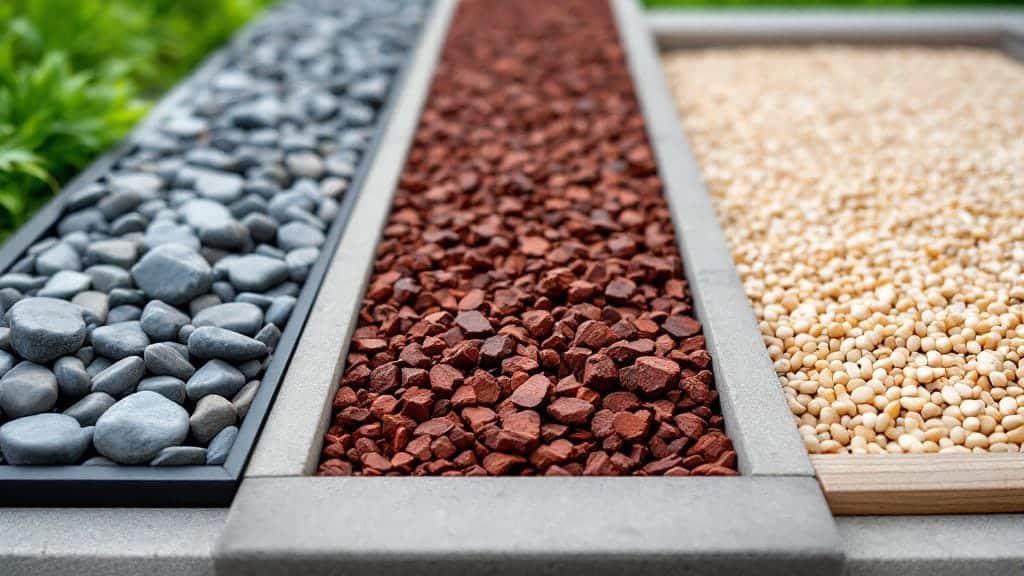

4. Cost Examples for Different Projects
Here’s what you can expect to spend on some common landscaping uses:
Rock Garden:
A small to medium rock garden using mixed river rocks and gravel may cost $300 to $1,000, depending on the area and type of stone.
Dry Creek Bed:
A 50-foot-long dry creek bed might require around 2–3 tons of mixed-size river rock, costing $250 to $700 for materials.
Pathway or Driveway:
For crushed gravel or decomposed granite, you’ll pay $1–$3 per square foot installed.
Decorative Borders:
Edging flower beds or walkways with larger stones can cost $50–$150 per ton.
Boulders:
Large boulders can range from $35 to $350 each, depending on size and type. Some suppliers sell them by weight, while others price them individually.
5. Comparing Different Types of Landscaping Rocks
Each type of rock has its own benefits and price range.
Crushed Stone and Gravel
Affordable, easy to spread, and ideal for driveways and drainage areas. Available in many colors and sizes.
Price: $30–$65 per ton
Pros: Cheap, functional, good for large areas
Cons: Dusty, not decorative
River Rock
Naturally smooth and rounded, perfect for decorative landscapes or water features.
Price: $45–$130 per ton
Pros: Attractive, low maintenance
Cons: Heavier, higher cost than gravel
Lava Rock
Porous, lightweight, and eye-catching with a red or black color. Great for mulching or tropical themes.
Price: $80–$240 per ton
Pros: Unique look, retains color
Cons: Expensive and fragile
Pea Gravel
Small, smooth stones ideal for paths, play areas, and patios.
Price: $30–$55 per ton
Pros: Soft underfoot, easy to install
Cons: Moves around easily, needs edging
Decomposed Granite
A mix between soil and rock, forming a compactable surface.
Price: $40–$100 per ton
Pros: Perfect for paths and patios
Cons: Can erode in heavy rain
Mexican Beach Pebbles
Smooth, dark stones with a luxurious finish are great for modern designs.
Price: $450–$800 per ton
Pros: Premium look, low maintenance
Cons: Expensive and sometimes imported
6. Hidden Costs to Watch Out For
When budgeting for landscaping rocks, consider these additional costs:
- Delivery fees: Often $50–$200 depending on distance.
- Handling and placement: Extra charges if rocks need to be craned or hand-placed.
- Ground preparation: Removing old mulch or leveling surfaces can add $0.50–$1 per sq. ft.
- Weed barriers: Landscape fabric under rocks typically costs $20–$40 per roll.
- Borders and edging: Metal or plastic edging adds structure but increases total expense.
Always request an itemized estimate from your supplier or landscaper so there are no surprises.
7. Tips for Saving Money
You don’t always have to spend hundreds to get a beautiful rock landscape. Along with our best landscaping tips for budget management, here are a few smart ways to cut costs: Buy locally to save on transport, mix expensive stones with cheaper filler, and always measure your space accurately before ordering.
- Buy locally: Rocks sourced nearby cost less to transport.
- Mix materials: Combine expensive stones with cheaper filler like gravel.
- Use smaller stones: They’re easier to spread and often cheaper.
- Check free listings: Many people give away leftover rocks on Craigslist, Facebook Marketplace, or Freecycle.
- Do it yourself: Skip labor costs by installing the rocks yourself.
- Buy off-season: Landscaping materials often cost less in late fall or winter.
- Ask for seconds: Some quarries sell chipped or irregular stones at discounts.
While buying in bulk is efficient, you can also significantly lower your costs by finding zero-cost alternatives. Check out our complete guide on where to get rocks for free to explore clever ways to source materials without spending a dime
8. Estimating How Much You’ll Need
To calculate how much rock you need, measure the length, width, and depth of the area. Multiply those together to get cubic feet, then divide by 27 to get cubic yards.
As a general rule:
- 1 cubic yard covers 100 square feet at 3 inches deep.
- 1 ton of rock covers 70–100 square feet at 2 inches deep.
Having accurate measurements prevents overbuying or running short.
Landscaping rocks can completely transform the look and feel of your garden, adding color, texture, and structure that lasts for decades. Prices vary greatly from affordable gravel at $30 per ton to luxury pebbles costing $800 per ton, but there’s an option for every budget.
By understanding what affects rock prices, shopping locally, and comparing suppliers, you can create a stunning landscape without overspending. Whether you’re filling a flower bed, building a rock garden, or designing a modern stone path, knowing the costs upfront helps you plan smartly and save money.
With thoughtful choices, landscaping rocks offer one of the best long-term returns for your outdoor design: beautiful, durable, and nearly maintenance-free.