


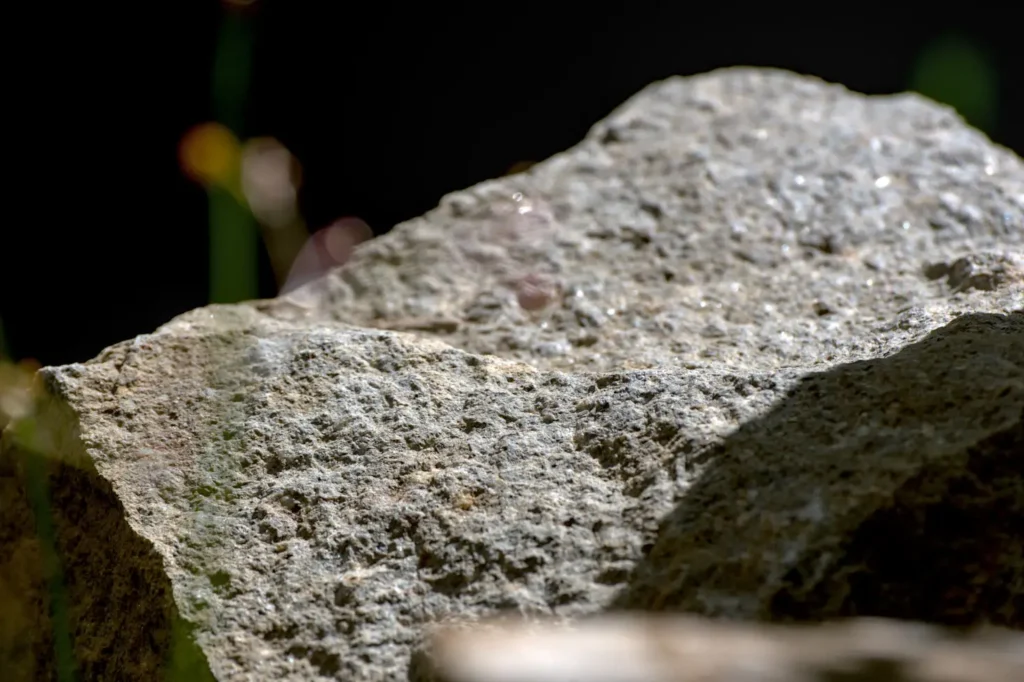
Granite is one of the most recognized and valued natural stones in the world. From towering monuments to polished kitchen countertops and beautiful garden features, granite’s strength, durability, and timeless appeal make it a popular choice in many industries.
However, granite’s worth varies widely depending on what form it takes—whether it’s raw rock from a quarry, crushed stone for construction, decorative boulders for landscaping, or finished slabs for buildings and interiors. This guide explains the factors that influence the value of granite, the typical price ranges across different uses, and what you should know whether you’re buying or selling granite rocks.
Understanding What “Granite Rocks” Means
The term “granite rocks” can refer to several different materials, and this is the first key to understanding their worth. Granite is an igneous rock composed mainly of quartz, feldspar, and mica, known for its hardness and resistance to weathering. Depending on how it’s processed and used, granite can fall into four broad categories:
- Crushed Granite Aggregate: Used in construction, driveways, and landscaping.
- Decorative Granite Stones: Used for garden borders, pathways, or decorative features.
- Granite Boulders: Large natural stones for landscaping or architectural accents.
- Dimension Granite: Large blocks or slabs cut, polished, and shaped for buildings, countertops, and monuments.
Each of these forms carries a different price range depending on quality, size, and intended use.
Factors That Influence the Value of Granite Rocks
The value of granite is determined by a mix of natural characteristics and practical factors. Here are the main considerations:
1. Type and Finish
The processing level and purpose of the granite dramatically affect its price.
- Crushed Granite: Least expensive form, used in bulk for paving or as base material.
- Decorative Stone: More costly due to color and aesthetic appeal.
- Dimension Granite: Highest value because it requires cutting, finishing, and polishing.
2. Size and Shape
Larger or uniquely shaped granite boulders are more valuable. For example, a single decorative boulder can cost as much as several tons of crushed granite because of its rarity and transportation needs.
3. Color and Pattern
Granite comes in a range of colors, from common gray to rare shades of blue, red, or black. Unique veining or consistent patterns raise the stone’s value, especially for decorative or architectural uses.
4. Location and Transport Costs
Granite is extremely heavy—averaging about 2.7 tons per cubic meter—so transportation costs are often a major component of price. The closer you are to a quarry, the lower your delivered cost. Long-distance shipping can double or triple the total expense.
5. Market Demand
High demand for specific colors or types of granite (such as jet black or pink granite) can temporarily raise prices. Economic conditions in the construction and interior design industries also influence value.
6. Processing and Labor
Raw granite blocks are relatively affordable at the quarry stage, but once they are cut, polished, and fabricated into countertops or tiles, the value increases significantly. The craftsmanship and labor involved often represent the largest portion of cost.
Typical Price Ranges for Granite Rocks
Because granite can take so many forms, prices vary widely. Here are general global ranges to provide perspective:
Crushed Granite Aggregate
- Basic construction or landscape aggregate: around $30 to $70 per ton.
- Decorative crushed granite or colored chips: typically $50 to $150 per ton.
This type of granite is used for driveways, pathways, and garden features.
Landscaping Boulders and Decorative Rocks
- Medium to large boulders: about $100 to $350 per ton, depending on size, color, and transport.
- Unique or sculptural boulders: can exceed $400 per ton, especially when delivery or special placement equipment is required.
Dimension Granite (Building and Monument Stone)
- Raw dimension stone: usually around $200 to $250 per ton from the quarry.
- Finished slabs, monuments, or polished stone: several hundred to several thousand dollars per ton once fabrication and finishing are included.
Regional and Local Variation
In regions with active quarries, granite may cost less due to reduced transport and abundant supply. In areas where granite must be imported, prices rise significantly.
Examples of Granite Value in Different Situations
Let’s look at a few common examples to understand how context affects value.
Example 1: Crushed Granite for Landscaping
A homeowner needs 10 tons of crushed granite for a driveway. At $40 per ton, the total cost is about $400, plus delivery and labor. This is one of the most affordable uses of granite.
Example 2: Decorative Granite Chips
For garden pathways using red or gold granite chips, the price might rise to $120 per ton. For five tons, the total is about $600 before installation.
Example 3: Granite Boulder Feature
A single decorative granite boulder weighing two tons may cost $250 per ton, or $500 total, plus an additional $200–$500 for delivery and placement.
Example 4: Building or Countertop Granite
At a quarry, a cubic meter block of raw granite might be valued at $600–$700. Once processed, cut, and polished into slabs, the same granite can retail for several thousand dollars due to added labor and finishing.
Buying Granite Rocks: What to Consider
If you are buying granite for landscaping, construction, or decorative purposes, here are some practical tips:
- Determine Your Purpose: Identify whether you need crushed stone, decorative rock, or large boulders.
- Buy Locally if Possible: Transporting granite is costly, so local suppliers often offer better prices.
- Ask About Delivery Costs: Always confirm whether the quoted price includes delivery, as hauling heavy rock can add significantly to the final bill.
- Compare by Weight or Volume: Some suppliers price by ton, others by cubic yard. One cubic yard of crushed granite typically weighs 1.4 to 1.6 tons.
- Check for Quality: Uniform color and grain indicate consistent quality, especially important for decorative or architectural projects.
- Consider Handling: For large boulders or slabs, you may need cranes or special equipment, adding to total cost.
Selling Granite Rocks
If you own land with granite outcrops or operate a quarry, understanding how to value your stone is equally important.
- Grade and Consistency: Consistent color and texture make granite more valuable for building and decorative use.
- Accessibility: Easy-to-reach deposits lower extraction costs.
- Market Reach: Closer proximity to buyers, ports, or cities increases competitiveness.
- Legal and Environmental Regulations: Quarry permits, environmental fees, and restoration obligations all affect profitability.
Global Perspective on Granite Value
The worth of granite rocks differs greatly around the world. In areas where granite is abundant and easily quarried, it’s relatively inexpensive. In other regions, especially where quality granite must be imported, prices rise sharply.
For instance:
- In industrialized countries with strong construction markets, raw granite may sell for several hundred dollars per ton, while finished products cost thousands.
- In developing regions with local quarries, granite for basic construction can be much cheaper.
This variation illustrates that granite’s value is both a geological and economic question—depending not just on the stone itself but also on where it is, how it’s processed, and how far it travels.
Key Points to Remember When Estimating Granite’s Worth
- Granite’s use defines its value. Crushed stone is low-cost; polished dimension granite commands a premium.
- Transport adds major cost. Heavy rocks mean high delivery expenses.
- Size and rarity increase price. Large, unique, or vividly colored stones cost more.
- Local markets differ. The same stone may be worth twice as much in another country due to logistics.
- Processing adds value. Cutting, polishing, and finishing multiply the raw stone’s worth.
Granite’s worth is as diverse as its applications. On the low end, crushed granite might cost $30 to $70 per ton, while decorative or colored aggregates reach $150 per ton. Large boulders or unique landscaping stones range from $100 to $400 per ton, and finely finished dimension granite can be valued at $200 to $500 per ton or more, with processed slabs worth several thousand dollars.
Ultimately, the true value of granite depends on its form, color, size, quality, and how far it must travel to reach its buyer. A single granite boulder may be prized for its natural beauty in a landscape, while a polished slab may symbolize strength and luxury in a home.
Granite’s enduring appeal lies in its combination of beauty and permanence—and whether it’s crushed underfoot or shining in a building façade, each piece of granite reflects a small fragment of the earth’s deep geological history and the immense effort required to bring it to the surface.