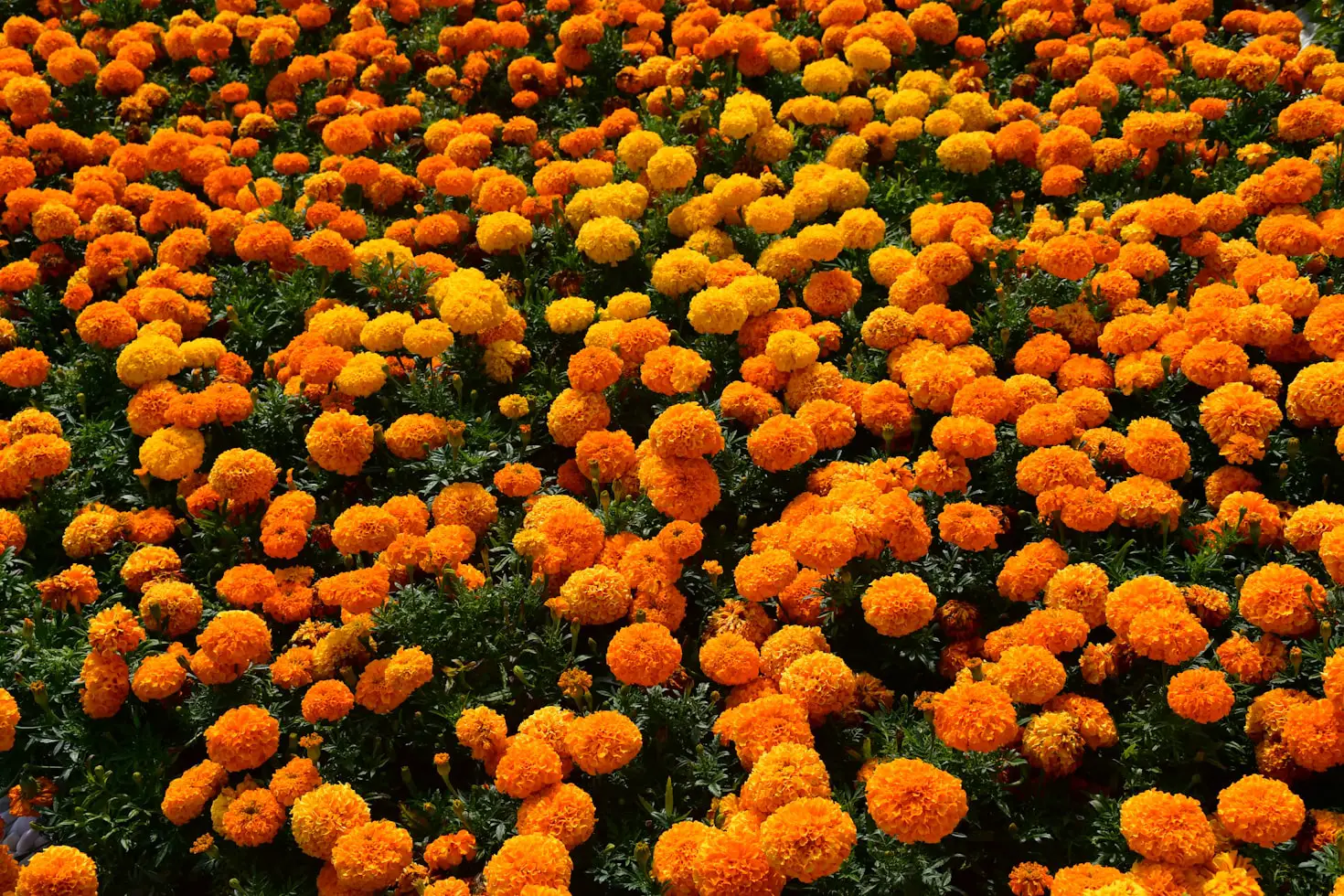

Marigolds are among the most popular annual flowers for gardeners worldwide. Beloved for their bright colors, pest-repelling properties, and easy care, they add beauty and function to vegetable beds, borders, and flower gardens alike. However, one of the most common questions gardeners ask is: How many marigolds should you plant per square foot?
The answer depends on the variety of marigold, the desired look of your planting, and the growing conditions in your garden. In this detailed guide, we’ll explore marigold spacing, growth habits, and planting density so you can design a thriving, vibrant marigold display.
1. Understanding Marigold Varieties
Before deciding how many marigolds to plant per square foot, it’s essential to understand that marigold refers to several related species with very different growth habits. The three main types you’ll encounter are:
- Tagetes patula (French Marigolds)
- Compact, bushy plants
- Height: 6–12 inches
- Spread: 6–9 inches
- Known for prolific blooms and excellent border performance
- Tagetes erecta (African or American Marigolds)
- Taller and more robust than French marigolds
- Height: 12–36 inches (sometimes more)
- Spread: 10–18 inches
- Ideal for cutting gardens and mass plantings
- Tagetes tenuifolia (Signet Marigolds)
- Delicate, lacy foliage with small daisy-like flowers
- Height: 8–12 inches
- Spread: 6–12 inches
- Often used as edging plants or in herb gardens
Because these varieties vary so much in size, spacing recommendations—and therefore the number of marigolds per square foot—also differ significantly.
2. General Rule of Thumb for Marigold Spacing
In general, plant spacing determines how many plants will fit per square foot. You can calculate this by dividing the square foot area (12″ × 12″) by the area each plant requires.
Let’s look at typical spacing guidelines for each type:
| Marigold Type | Recommended Spacing | Plants per Square Foot |
| French Marigolds | 6–9 inches apart | 2–4 plants per sq. ft. |
| Signet Marigolds | 6–9 inches apart | 2–4 plants per sq. ft. |
| African Marigolds | 10–18 inches apart | 1 plant per sq. ft. (sometimes 1 per 2 sq. ft.) |
Rule of thumb:
- Smaller, compact marigolds (French, Signet) → 2 to 4 per square foot
- Large African marigolds → 1 per square foot, or even 1 per 2 square feet for best growth
3. Calculating for Garden Beds and Borders
When planning a bed or border, spacing impacts not just how full your planting looks but also how healthy your plants will be. Too close, and you risk disease; too far apart, and the display looks sparse.
Example 1: French Marigold Bed
Suppose you have a 4 ft × 8 ft garden bed (32 square feet).
If you plant French marigolds at 8-inch spacing, you can fit about 3 plants per square foot, totaling roughly 96 marigolds in the bed.
This creates a dense, carpet-like effect—perfect for edging, low bedding designs, or colorful borders around vegetables.
Example 2: African Marigold Display
For the same 4 × 8 ft bed using large African marigolds spaced 12 inches apart, you’ll plant 1 per square foot, or 32 plants total.
This looser spacing allows the tall plants to expand and produce large, showy blooms without shading or crowding each other.
4. The Role of Spacing in Plant Health
Spacing isn’t just about appearance—it directly affects how well your marigolds grow. Proper spacing promotes good air circulation, prevents fungal diseases like powdery mildew, and reduces competition for nutrients and water.
If marigolds are planted too close:
- Air circulation decreases, creating a humid microclimate that encourages leaf diseases.
- Lower leaves may yellow due to lack of light.
- Plants may produce fewer blooms as they compete for space and nutrients.
If spaced too far apart:
- Soil is exposed, inviting weeds.
- The bed can look patchy or underplanted.
- Moisture evaporates faster from bare soil, especially in hot weather.
The goal is to find the balance—dense enough to fill space attractively, but open enough to keep plants healthy.
5. Marigolds in Square Foot Gardening
Square foot gardening (SFG) is a popular method that divides a raised bed into 1-foot squares for intensive planting. Marigolds fit beautifully into this system, providing both visual appeal and natural pest control.
Here’s how many marigolds you can plant per square, depending on the type:
| Marigold Type | Plants per 1-ft Square |
| French or Signet Marigolds | 4 (one in each corner) |
| African Marigolds | 1 (center of the square) |
In a vegetable garden, marigolds are often interplanted with crops such as tomatoes, peppers, and beans to deter nematodes and aphids. A single African marigold per square foot near vegetable roots can have both ornamental and practical benefits.
6. Adjusting Spacing for Garden Goals
Your purpose in growing marigolds should also guide spacing decisions:
- For dense color beds: Use closer spacing (6 inches apart). Plants will touch and form a continuous blanket of blooms.
- For cutting flowers: Space wider (12–18 inches apart) to allow long stems and fuller blooms.
- For pest control in vegetable beds: Moderate spacing (8–12 inches apart) is ideal to provide coverage without overcrowding crops.
- For containers or window boxes: Space compact marigolds 6 inches apart for full coverage; large types need at least 10 inches per plant.
7. Factors That Affect Marigold Spacing
Several environmental and cultural factors influence how tightly you can plant marigolds:
- Soil Fertility and Texture
Rich, well-draining soil allows closer spacing since plants can access nutrients easily. Heavy clay soil benefits from wider spacing for better aeration. - Sunlight
Marigolds thrive in full sun. If grown in partial shade, they may stretch taller, so provide slightly more room to prevent shading. - Climate and Humidity
In humid regions, increase spacing by a few inches to improve airflow and prevent fungal disease. - Varietal Growth Habit
Even within French or African marigolds, some hybrids are bred for compact growth while others sprawl more widely—always check the seed packet for variety-specific recommendations.
8. Planting and Maintenance Tips
Proper spacing is just one part of successful marigold care. To get the best out of your plants:
- Soil Preparation: Work in compost before planting to improve drainage and fertility.
- Watering: Water at the base, not overhead, to keep foliage dry and minimize disease risk.
- Deadheading: Remove spent blooms regularly to encourage continuous flowering.
- Fertilization: A balanced, slow-release fertilizer once a month supports healthy blooms. Avoid high-nitrogen feeds, which promote foliage over flowers.
- Pest Control: While marigolds deter some pests, they can attract spider mites in hot, dry weather—keep them well-hydrated and dust-free.
9. Common Planting Combinations
Marigolds pair beautifully with other flowers and vegetables. Their spacing flexibility makes them easy companions for:
- Vegetables: Tomatoes, peppers, eggplants, beans
- Flowers: Zinnias, petunias, cosmos, and salvia
- Herbs: Basil, parsley, and chives
When interplanting, consider both species’ mature sizes to maintain proper spacing and airflow.
10. Summary Table: How Many Marigolds per Square Foot
| Variety | Height | Spread | Recommended Spacing | Plants per Sq. Ft. | Notes |
| French Marigold | 6–12 in | 6–9 in | 6–9 in apart | 2–4 | Compact; ideal for borders |
| Signet Marigold | 8–12 in | 6–12 in | 6–9 in apart | 2–4 | Edible flowers; fine foliage |
| African Marigold | 12–36 in | 10–18 in | 12–18 in apart | 1 | Tall; best for background or cut flowers |
So, how many marigolds per square foot? The precise answer depends on what you’re growing and why:
- French or Signet marigolds: 2–4 plants per square foot
- African marigolds: 1 plant per square foot (or 1 per 2 sq. ft. for large types)
By adjusting spacing for your variety, climate, and garden goals, you can create a marigold display that’s both visually striking and biologically healthy.
Whether you’re edging a walkway, filling a raised bed, or brightening a vegetable patch, the right planting density ensures lush blooms, fewer pests, and a garden that glows from spring to frost.


