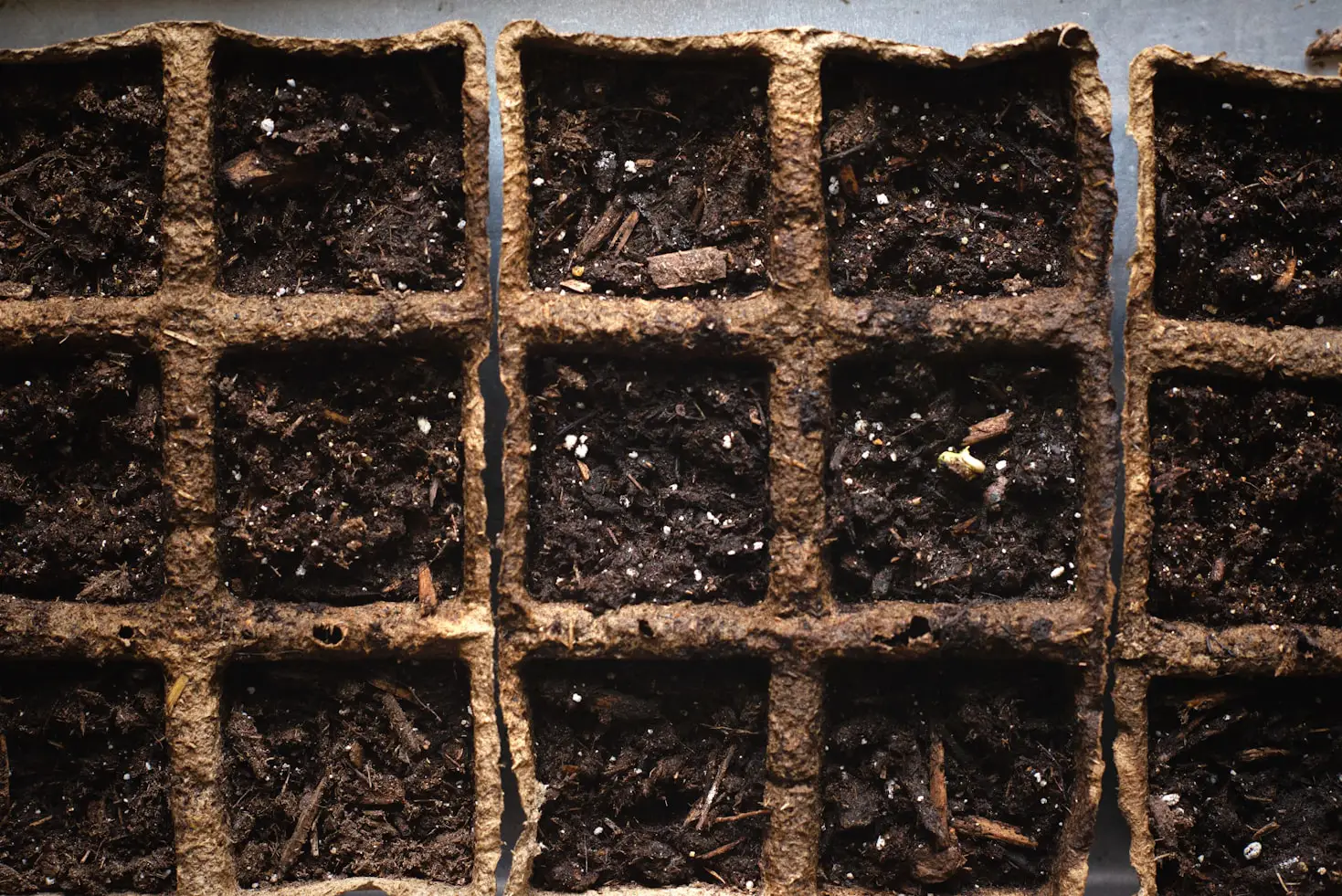

Storing bulk garden soil properly is essential to maintain its quality and usefulness for future gardening projects. Whether you’ve bought soil in large quantities or are saving soil from your garden, knowing how to store bulk garden soil can help prevent nutrient loss, contamination, and pest infestation. Proper storage ensures your garden soil remains healthy and ready to support plant growth when you need it. This article outlines key tips and techniques to effectively store garden soil for both short and long-term use.
Choosing the Right Location for Soil Storage
The first step to storing bulk garden soil is selecting an appropriate location. Ideally, choose a dry, shaded area that is well-drained and protected from heavy rain or flooding. Avoid places prone to standing water or direct sunlight, as moisture can lead to mold growth and excessive heat can kill beneficial microbes in the soil. If possible, store soil away from areas where animals or pests are common. A sheltered spot near your garden or shed can provide easy access while keeping the soil in good condition.
Keeping soil away from high-moisture zones is vital, unlike other backyard tasks where water is the main focus, such as calculating how long to fill up a pool with a garden hose before the summer season starts.
Types of Containers and Storage Options for Bulk Soil
There are various ways to store garden soil depending on the quantity and space available. For small to medium amounts, heavy-duty plastic bins or large storage bags with secure lids work well. For larger volumes, consider using wooden pallets with a tarp cover, raised beds, or dedicated soil storage bins. Some gardeners also use plastic-lined trenches or soil bags to keep soil contained. The key is to choose containers or setups that allow good air circulation while protecting the soil from moisture and contamination.
Preparing Soil Before Storage
Before you store bulk garden soil, prepare it properly to maintain its health. Remove any large debris, stones, or roots that might decompose or attract pests. If the soil is too wet, spread it out in a thin layer and let it dry to prevent mold. Consider mixing in organic matter like compost to keep nutrients balanced during storage. Testing soil pH and adding amendments if necessary can also improve the soil quality for future use. Proper preparation ensures your soil stays fertile and ready for planting.
Protecting Soil from Moisture and Pests
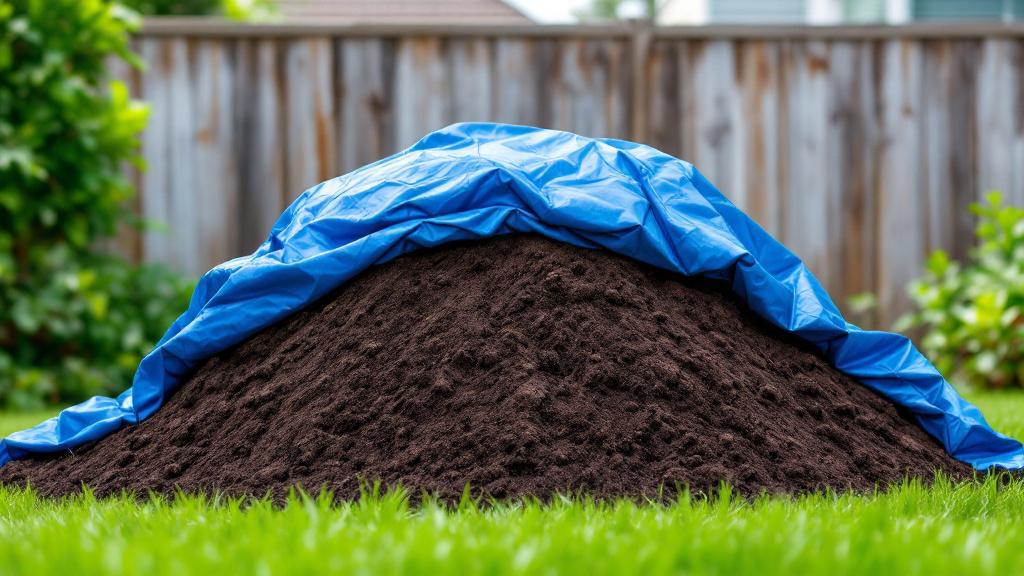
Keeping soil dry and pest-free is crucial when you store bulk garden soil. Cover soil piles with waterproof tarps or plastic sheeting to prevent rainwater from soaking in, which can lead to nutrient leaching and mold growth. Use weights or secure ties to keep covers in place during windy conditions. To deter pests such as rodents or insects, avoid storing soil directly on the ground by using pallets or raised platforms. Regularly inspect your storage area and treat any pest issues promptly to protect your garden soil.
Maintaining Soil Quality During Storage
Maintaining the quality of stored bulk garden soil requires periodic attention. Turn or aerate the soil occasionally to prevent compaction and encourage beneficial microbial activity. Check moisture levels and avoid letting the soil dry out completely, as this can kill helpful organisms. If you notice unpleasant odors or signs of mold, remove affected portions immediately and adjust storage conditions. Adding a light layer of compost or fertilizer before storage can help maintain nutrient levels over time.
Best Practices for Covering and Sealing Soil Piles
Properly covering and sealing soil piles is essential to protect your garden soil during storage. Use durable, breathable tarps or heavy-duty plastic covers that can keep out moisture while allowing air exchange to prevent overheating. Secure edges with bricks, stones, or stakes to prevent wind from blowing covers away. Avoid piling soil too high to reduce the risk of collapse and uneven moisture retention. Regularly check and adjust your coverings to ensure they remain intact and effective throughout the storage period.
How to Prevent Soil Compaction and Contamination
To prevent soil compaction and contamination when you store bulk garden soil, avoid stepping or placing heavy objects directly on the soil piles. Soil compaction reduces aeration and water drainage, harming soil health. Also, keep soil away from potential contaminants like chemicals, fertilizers, or fuel sources. Using raised platforms or pallets can help reduce contamination risk. Maintaining clean tools and storage containers is equally important to avoid introducing weeds or pathogens into your stored soil.
Using Stored Soil Effectively After Long-Term Storage
After long-term storage, using your stored garden soil effectively requires some preparation. Test the soil for nutrient content and pH to determine if amendments are needed. Break up any compacted clumps and mix in fresh compost or fertilizer to restore fertility. If the soil smells musty or shows mold, spread it out to dry and allow it to air out before planting. Properly stored soil can remain productive for many months, providing a solid foundation for your garden’s success.


