


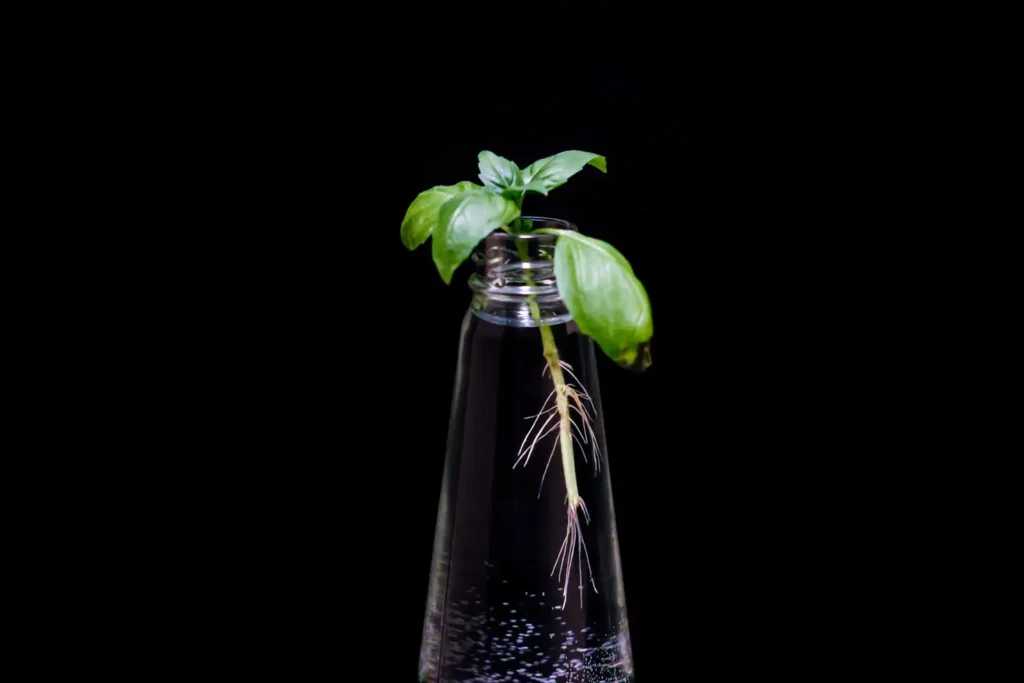
Starting your garden with Herb Starts is one of the easiest and fastest ways to enjoy fresh, aromatic herbs at home. Herb starts are young plants grown from seeds, ready to be transplanted into your garden, containers, or kitchen windowsills. They eliminate the germination stage, saving time and ensuring success for beginners. Growing your own herb collection from seed provides instant greenery and a steady supply of flavor for cooking. Whether you’re cultivating basil, rosemary, or mint, using starts helps you grow healthy, thriving plants with minimal effort and maximum reward.
What Are Herb Starts and Why They’re Perfect for Beginners
Herb Starts are small, partially grown herb plants that are ready for transplanting into soil or pots. They’re perfect for beginners who want a head start without dealing with seed germination challenges. Each herb start already has a healthy root system, allowing faster establishment and stronger growth. With minimal maintenance, these starts adapt easily to different growing environments—indoors or outdoors. Herb starts provide a reliable way to begin gardening, making it easy to enjoy fresh herbs sooner while reducing the uncertainty and waiting time associated with growing from seeds.
Benefits of Growing Herbs from Starts Instead of Seeds
Choosing Herb Starts over seeds offers many benefits for home gardeners. First, they save time; starts are already germinated and growing, so you can harvest herbs much sooner. They also have a higher success rate, as herb starts are less vulnerable to temperature changes or soil issues. Using starts ensures uniform growth, making it easier to manage multiple plants at once. Beginners especially benefit from the simplicity of transplanting rather than nurturing delicate seedlings. Overall, growing herbs from starts provides faster results, stronger plants, and a stress-free gardening experience.
The Best Herbs to Grow from Starts
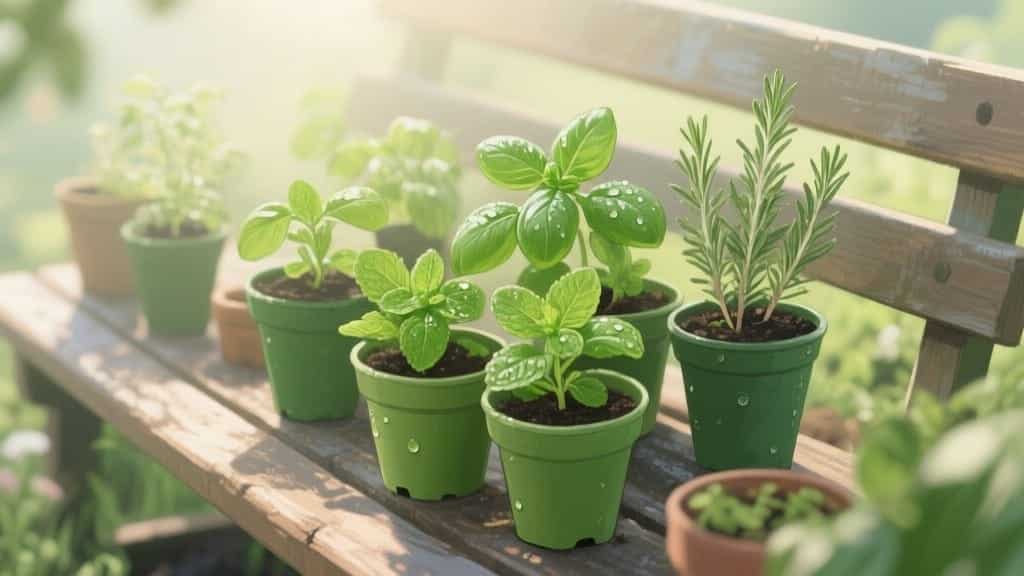
Many herbs grow beautifully from Herb Starts. Popular options include basil, mint, parsley, thyme, rosemary, and oregano. These herb varieties transplant easily and thrive quickly in both pots and garden beds. For indoor gardens, chives and cilantro are excellent choices, as they grow well in smaller containers. Hardy perennial herbs like sage and lavender also do well from starts, ensuring long-term yields. Choosing high-quality herb starts suited to your local climate ensures healthy, productive plants. This approach simplifies gardening and helps you enjoy fresh herbs in your kitchen throughout the year.

How to Choose Healthy Herb Starts at the Nursery
When purchasing Herb Starts, look for vibrant, green leaves without yellowing or spots. Avoid plants with drooping stems or signs of pests. Gently check that the herb roots are white and not overly compacted, as this indicates healthy growth. A good start should have sturdy stems and moist, well-aerated soil. Choose starts that are neither too young nor overgrown; medium-sized plants transplant best. Selecting healthy herb starts ensures strong establishment in your garden and reduces the risk of disease, allowing for a more successful and rewarding growing experience.
Preparing Soil and Containers for Your Herb Starts
The right soil mix is essential for healthy Herb Starts. Use light, well-draining soil enriched with organic compost to support nutrient uptake. For container planting, ensure pots have drainage holes to prevent root rot. Herb roots prefer soil that is moist but not waterlogged. Adding perlite or sand improves aeration, while organic fertilizer boosts early growth. When preparing containers or garden beds, loosen the soil to help the starts settle in easily. Proper soil preparation provides a strong foundation, encouraging your herb starts to grow faster and stay healthier.
Once your soil is ready, choosing the right container is the next step. High-quality outside herb planters provide the perfect environment for your starts to expand their roots and thrive in your outdoor space.
How to Plant and Transplant Herb Starts Successfully
To plant Herb Starts, begin by digging holes slightly larger than the root ball. Gently remove each herb start from its container, keeping the roots intact. Place it in the hole and cover with soil, pressing lightly to secure it. Water thoroughly to help roots settle. If transplanting outdoors, harden off the starts by exposing them gradually to sunlight for a few days. This helps them adjust to temperature and light conditions. Proper planting techniques ensure your herb starts to establish quickly and thrives in its new environment.
Moving a plant from a small pot to a larger space can be stressful for the herb. Following the best practices for transplanting young plants ensures your starts recover quickly and continue growing without shock
Watering and Sunlight Tips for Thriving Herb Starts
Proper watering and sunlight are crucial for healthy Herb Starts. Most herbs need about six hours of sunlight daily, so place them in bright, sunny spots. Water regularly but avoid overwatering—let the top inch of soil dry before the next watering. Different herb types have varying moisture needs; for example, basil prefers moist soil, while rosemary thrives in drier conditions. Adjust watering frequency based on weather and soil type. Giving your starts the right balance of light and hydration encourages strong roots and flavorful, aromatic herbs.
Common Problems and How to Fix Them in Herb Starts
Herb Starts may face issues like yellow leaves, drooping, or pest infestations. Yellowing often indicates overwatering or poor drainage, while drooping can signal underwatering or transplant shock. Keep your herb plants in well-drained soil and ensure consistent watering schedules. If pests like aphids appear, use natural sprays such as neem oil. Avoid overcrowding your starts, as it limits airflow and encourages disease. With quick attention and proper care, most problems can be resolved, ensuring your herb starts growing into lush, productive plants.
Harvesting and Caring for Mature Herbs from Starts
Once your Herb Starts mature, regular harvesting keeps them productive. Trim herbs frequently to encourage bushier growth and prevent flowering. Always use clean scissors to avoid damaging the plant. Harvest in the morning for the best flavor and aroma. Caring for your herb plants after harvest includes watering, feeding with mild fertilizer, and removing dead leaves. Proper maintenance ensures your starts continue producing fresh leaves throughout the season, giving you a constant supply of homegrown herbs for cooking, drying, or preserving.
Tips for Growing Herb Starts Indoors Year-Round
Growing Herb Starts indoors allows you to enjoy fresh herbs year-round. Choose a sunny windowsill or use LED grow lights to provide consistent light. Maintain moderate indoor temperatures and good air circulation. Use lightweight, well-draining soil and pots with drainage holes. Herbs like basil, chives, and mint thrive indoors with proper care. Rotate containers occasionally to ensure even light exposure. By managing water, temperature, and light effectively, you can keep your herb plants healthy and your starts growing strong all year long.