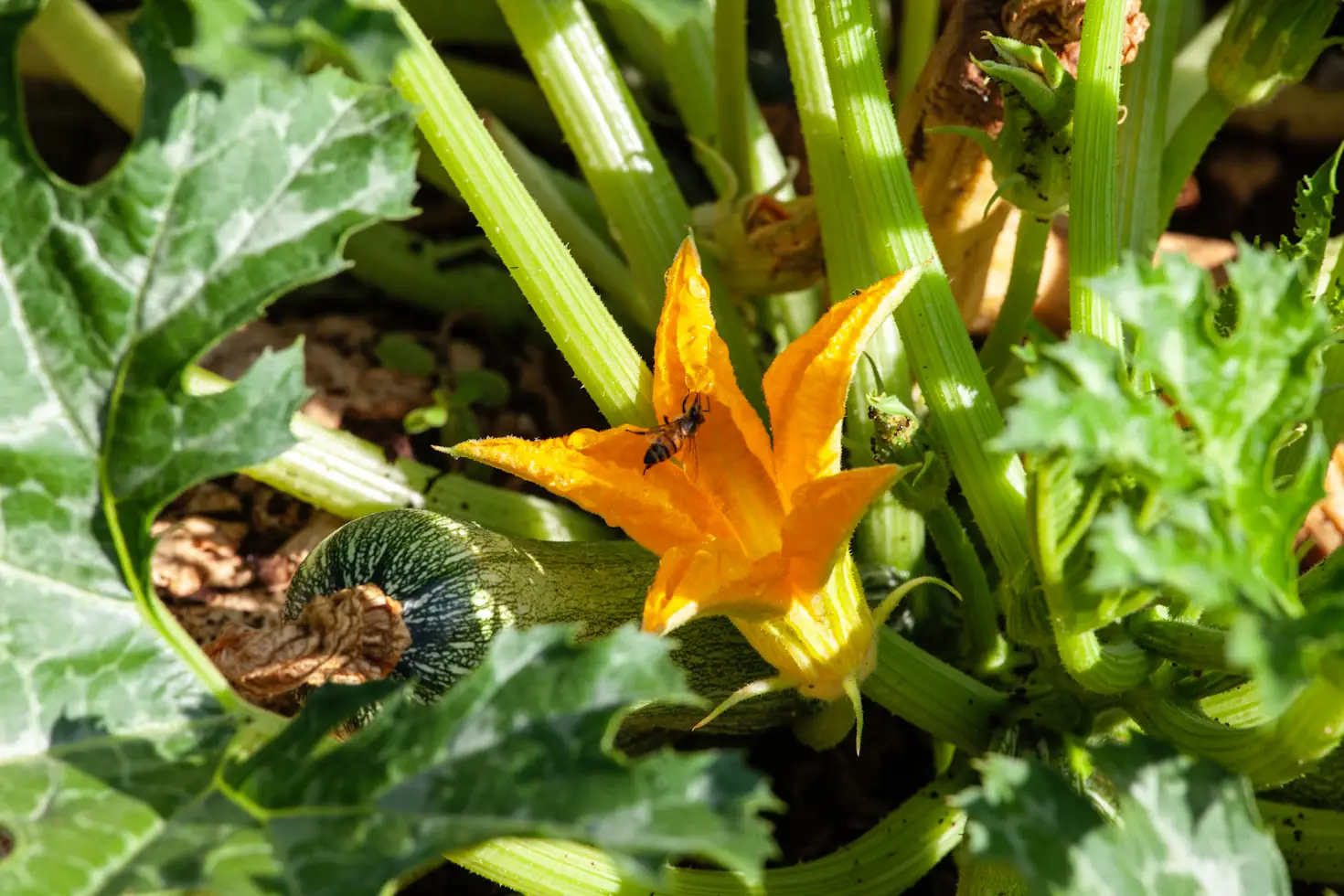

Zucchini, or courgette, is one of the most satisfying vegetables to grow for home gardeners. Its productivity, versatility in the kitchen, and relatively easy care make it a top choice for both beginners and seasoned green thumbs. But zucchini is also known for its sprawling vines that can quickly take over a garden bed. That’s why square foot gardening—an intensive, space-saving method—offers a smart and efficient way to grow this summer favorite, even in small spaces.
In this guide, we’ll explore how to grow zucchini successfully in a square foot garden, from planning your layout to harvesting abundant, tender fruits.
What Is Square Foot Gardening?
Square foot gardening (SFG) is a method popularized by Mel Bartholomew in the 1980s. Instead of planting in long rows, gardeners divide a raised bed into 1-foot by 1-foot squares, each dedicated to a specific plant or crop. The approach emphasizes dense planting, nutrient-rich soil, and easy access—allowing you to grow more food in less space with less weeding, watering, and waste.
A standard SFG bed measures 4 feet by 4 feet, giving you 16 square feet of growing space—perfect for a compact, manageable garden. The key is efficient planning and proper plant spacing.
Can You Grow Zucchini in a Square Foot Garden?
Absolutely! Zucchini plants are large, but with careful planning and the right variety, they thrive in a square foot garden. The trick is understanding how much space zucchini truly needs and how to train or prune the plant to stay within its boundaries.
Most bush varieties of zucchini need about 2 to 4 square feet per plant. Vining types require even more room unless trained vertically. So while you won’t be planting one zucchini per square foot like lettuce or carrots, you can still integrate them efficiently into your layout.
Choosing the Right Variety
Selecting a compact or bush-type zucchini is key for small-space gardening. Some excellent choices for square foot gardens include:
- ‘Bush Baby’ – A dwarf variety ideal for containers and small gardens.
- ‘Raven’ – Compact, high-yielding, and early to produce.
- ‘Patio Star’ – Specifically bred for container and raised bed gardens.
- ‘Astia’ – French hybrid variety known for compact growth and tender fruit.
- ‘Eight Ball’ – Produces round fruits and thrives in tight spaces.
Avoid traditional vining types unless you plan to train them up a trellis. Bush varieties stay more contained while still producing a generous harvest.
Planning Your Square Foot Garden Layout
When designing your layout, reserve a 2×2-foot area (four squares) for each zucchini plant. This gives the plant enough room to spread its leaves without overshadowing smaller crops. If you’re tight on space, you can plant zucchini at the corner or edge of the bed, allowing its leaves to spill over the sides rather than crowd neighboring plants.
A sample layout might look like this for a 4×4 garden bed:
| Row | 1 | 2 | 3 | 4 |
| A | Zucchini | Basil | Beans | Beans |
| B | Nasturtiums | Lettuce | Carrots | Carrots |
| C | Spinach | Radish | Onions | Garlic |
| D | Marigold | Peppers | Peppers | Tomatoes |
This setup places zucchini in a corner (A1), maximizing sunlight and airflow while complementing other crops. Companion planting—like basil, marigolds, and beans—also helps deter pests and improve yield.
Preparing the Soil Mix
Square foot gardening relies on a specific soil blend known as Mel’s Mix, which balances nutrients and drainage. The classic formula is:
- 1/3 compost (from multiple sources)
- 1/3 peat moss or coconut coir
- 1/3 coarse vermiculite
This mix is rich, fluffy, and retains moisture well—perfect for zucchini, which is a heavy feeder. Before planting, ensure your compost is well-decomposed and derived from varied materials (e.g., kitchen scraps, leaves, and manure). A diversity of compost sources ensures a balanced nutrient profile.
Top up your soil each season with fresh compost to replenish nutrients.
Planting Zucchini Seeds or Seedlings
Zucchini can be started directly from seed once the soil temperature is consistently above 60°F (16°C), usually 1–2 weeks after your last frost date.
- Make a small mound (about 6 inches across) in the center of your allocated squares. This improves drainage and helps warm the soil.
- Plant 2–3 seeds about an inch deep.
- Once seedlings have two sets of true leaves, thin to the strongest plant.
- Water deeply after planting and keep the soil evenly moist.
If using transplants, handle them gently and plant them at the same depth as their nursery pot. Avoid disturbing the roots, as zucchini can be sensitive to transplant shock.
Watering and Feeding
Zucchini is a thirsty plant, especially during flowering and fruiting. In a raised bed, soil can dry out quickly, so maintain consistent moisture—roughly 1 inch of water per week. Water at the base of the plant early in the day to reduce disease risk.
Mulching with straw, compost, or shredded leaves helps retain moisture and keep weeds down.
Because zucchini is a heavy feeder, side-dress with compost or a balanced organic fertilizer (e.g., 10-10-10) every 3–4 weeks during the growing season.
Supporting and Pruning Zucchini Plants
Even bush zucchini can get large. To manage size in a square foot garden:
- Prune lower leaves that touch the soil to improve air circulation and reduce disease.
- Train vines upward using a sturdy tomato cage or trellis if you’re growing a semi-vining type.
- Harvest regularly to encourage continuous production and prevent oversized fruits that drain energy from the plant.
A vertical support system—such as a trellis made of bamboo poles or metal mesh—can save significant space. Tie stems loosely with soft garden ties as they grow.
Pest and Disease Management
Zucchini is prone to a few common pests and diseases, especially in confined spaces where air circulation is limited.
Common pests:
- Squash bugs – Suck sap from leaves, causing them to wilt and die.
- Cucumber beetles – Feed on leaves and transmit bacterial wilt.
- Aphids – Cluster on undersides of leaves and stunt growth.
Solutions:
- Inspect plants daily and handpick pests.
- Use floating row covers early in the season.
- Encourage beneficial insects like ladybugs and lacewings.
- Rotate crops yearly to prevent pest buildup.
Common diseases:
- Powdery mildew – Appears as white powder on leaves, common in humid conditions.
- Blossom end rot – Caused by calcium deficiency or inconsistent watering.
To prevent these issues:
- Water at the base of the plant, not on the leaves.
- Ensure adequate spacing and airflow.
- Remove diseased leaves promptly.
- Add crushed eggshells or calcium supplements if needed.
Harvesting Zucchini
Zucchini grows fast—sometimes alarmingly so! Check plants daily once fruit appears. The best size for harvesting is:
- 6–8 inches long for standard varieties
- 3–4 inches for baby zucchinis
At this stage, the flesh is tender, and the flavor is sweet. Larger fruits can become tough and seedy, though they’re still great for baking or stuffing.
Use a sharp knife or pruning shears to cut the stem cleanly without damaging the plant. Regular harvesting encourages more blooms and fruit production.
Companion Plants for Zucchini
Zucchini thrives alongside certain plants that deter pests or improve pollination. Great companions include:
- Nasturtiums and marigolds – Repel aphids and beetles.
- Beans and peas – Fix nitrogen in the soil.
- Radishes – Deter squash borers.
- Basil and oregano – Improve flavor and repel insects.
Avoid planting zucchini near potatoes (they compete for nutrients) or pumpkins (they attract the same pests).
Growing zucchini in a square foot garden proves that you don’t need acres of land to enjoy fresh, homegrown produce. With thoughtful planning, proper spacing, and attentive care, one or two plants can yield dozens of zucchinis throughout the summer.
By combining the efficiency of square foot gardening with the productivity of zucchini, you can maximize your harvests while minimizing maintenance. Whether you’re working with a small backyard bed, a rooftop garden, or even a patio planter, this method offers a sustainable and rewarding way to bring more homegrown goodness to your table.


