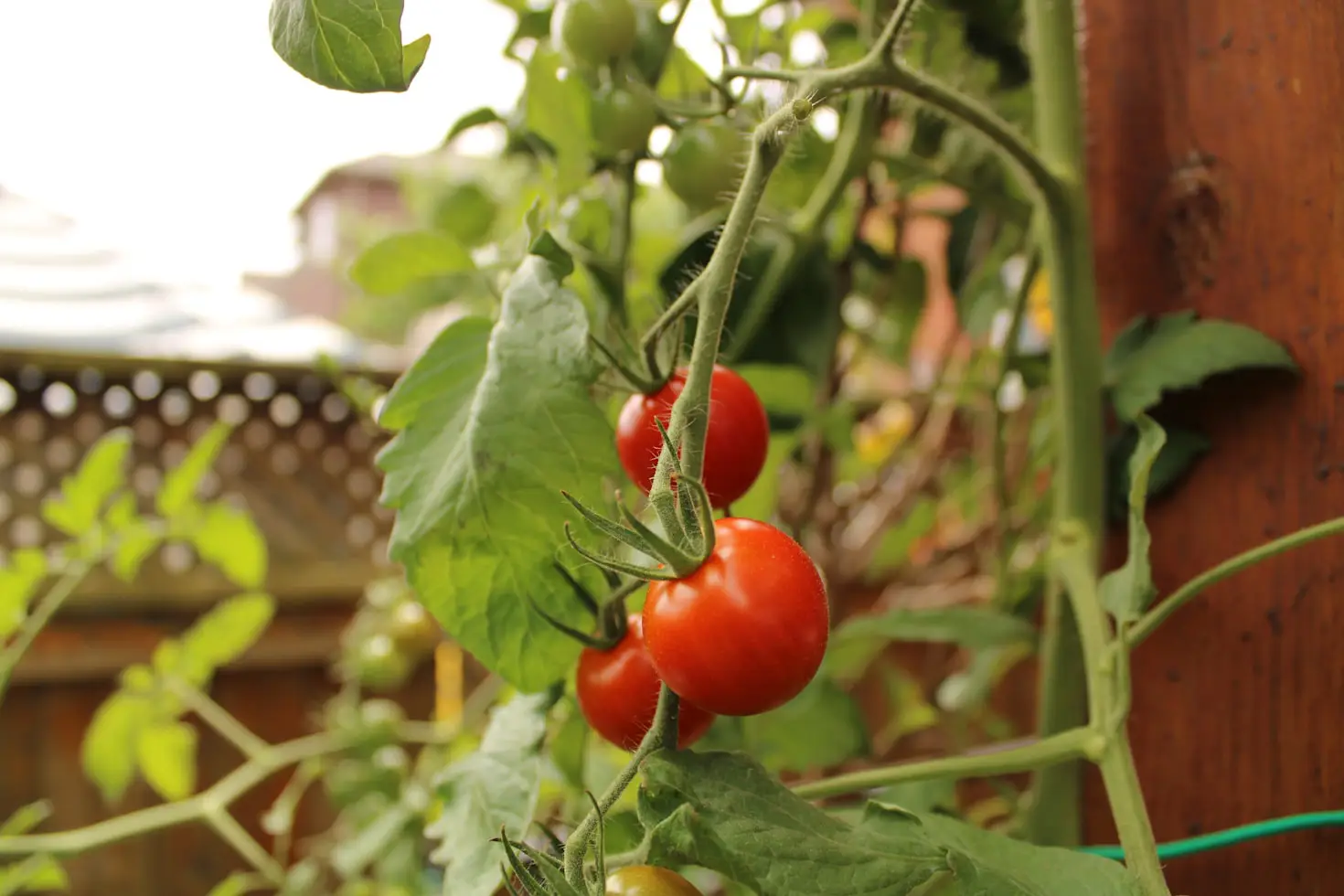

Tomatoes are one of the most popular vegetables (technically fruits) grown in home gardens across the world. They’re delicious, versatile, and rewarding to cultivate. However, gardeners often struggle with space limitations, especially in urban or suburban settings. That’s where the Square Foot Gardening (SFG) method comes in — a compact, efficient, and highly productive way to grow your favorite crops, including tomatoes.
In this comprehensive guide, we’ll explore everything you need to know about growing tomatoes in a square foot garden — from setup and spacing to pruning, watering, and harvesting.
What Is Square Foot Gardening?
Square Foot Gardening (SFG) is a system developed by Mel Bartholomew in the 1980s. The idea is simple yet powerful: divide your garden bed into 1-foot squares and assign each square to a specific crop. This method maximizes space, minimizes waste, and simplifies garden planning.
Instead of planting in traditional long rows, you grow in a 4×4-foot raised bed (or any manageable size). The soil is loose, nutrient-rich, and weed-free, making it ideal for intensive planting. Each square is treated as its own mini-plot, with specific spacing based on the crop’s size.
Why Grow Tomatoes Using the Square Foot Method?
Tomatoes thrive in the Square Foot Gardening system for several reasons:
- Efficient Use of Space:
In a traditional garden, tomatoes can sprawl and consume a lot of space. In SFG, they grow vertically with the help of cages or trellises, freeing up room for other crops. - Healthy Soil and Nutrients:
The mix used in SFG (usually one-third compost, one-third peat moss or coco coir, and one-third vermiculite) is light and nutrient-dense, providing ideal conditions for tomato roots. - Fewer Weeds and Diseases:
Since SFG beds use clean, high-quality soil and compact layouts, there’s minimal room for weeds or soil-borne diseases to take hold. - Ease of Maintenance:
With clearly defined squares and raised beds, planting, watering, and harvesting tomatoes is easier on your back and your schedule. - High Yields in Small Areas:
Vertical growth and intensive planting mean you can grow multiple healthy tomato plants even in a limited space.
Choosing Tomato Varieties for Square Foot Gardening
Not all tomatoes are created equal, and choosing the right variety is key to success in small spaces.
1. Determinate (Bush) Tomatoes
These types grow to a fixed size and produce fruit within a short period, making them ideal for gardeners who want a quick, manageable harvest. They typically don’t need heavy staking or pruning.
Best determinate varieties for SFG:
- Roma
- Celebrity
- Patio Princess
- Bush Early Girl
2. Indeterminate (Vining) Tomatoes
These tomatoes continue to grow and produce fruit throughout the season. They require strong support structures and regular pruning but reward you with a continuous harvest.
Best indeterminate varieties for SFG:
- Sungold (cherry)
- Sweet Million
- Brandywine
- Cherokee Purple
- Better Boy
If you have limited vertical space, go for compact or dwarf varieties, which offer great yields in small areas.
How Many Tomato Plants per Square Foot?
This is one of the most common questions for gardeners new to SFG.
For tomatoes, the rule of thumb is one plant per square foot — but only if you’re growing vertically with proper support. Each tomato plant needs sufficient airflow, sunlight, and nutrient access.
If you’re growing large indeterminate varieties, consider giving each plant two squares (2 sq ft) to prevent overcrowding. For compact or patio types, one per square is perfect.
Preparing the Square Foot Garden Bed
1. Build or Choose Your Bed
Most SFG beds are 4×4 feet and 6–12 inches deep. The frame can be made from untreated wood, metal, or composite materials.
2. Fill with the Perfect Soil Mix
A balanced mix is crucial for healthy tomato plants. The classic “Mel’s Mix” includes:
- ⅓ compost (from multiple sources if possible)
- ⅓ peat moss or coco coir
- ⅓ coarse vermiculite
This mix is rich, airy, and water-retentive — perfect for tomato roots.
3. Mark the Grid
Use string or thin wooden slats to divide your bed into 1-foot squares. This helps you organize your crops and maintain spacing.
Planting Tomatoes in a Square Foot Garden
- Transplant, Don’t Direct Sow:
Tomatoes should be started indoors or purchased as young transplants. Plant them outdoors after the last frost when soil temperatures reach about 60°F (15°C). - Plant Deep:
Tomatoes develop roots along their buried stems. Remove the lower leaves and bury two-thirds of the stem to encourage strong root growth. - Add Support:
Immediately after planting, install cages, stakes, or trellises. Waiting too long can damage roots later. - Companion Planting:
In the adjacent squares, consider planting basil, onions, or marigolds, which deter pests and improve tomato flavor. Avoid planting near corn or potatoes, which can attract harmful insects.
Watering and Feeding
Tomatoes are heavy feeders and need consistent moisture.
Watering Tips:
- Keep the soil evenly moist — not soggy, not dry.
- Deep water once or twice per week instead of frequent light watering.
- Use drip irrigation or soaker hoses to avoid splashing water on the leaves (which can spread disease).
- Mulch with straw or compost to retain moisture and prevent weeds.
Fertilizing:
Every 2–3 weeks, feed your tomatoes with a balanced organic fertilizer or compost tea. Avoid excessive nitrogen, as it encourages leafy growth at the expense of fruit production.
Pruning and Training
Pruning keeps your tomato plants healthy and productive, especially in the confined space of a square foot garden.
- Remove Suckers:
These are the small shoots that grow between the main stem and leaf branches. Pinching them off redirects energy into fruit production. - Trim Lower Leaves:
Once plants are established, remove the bottom leaves to improve air circulation and reduce the risk of fungal disease. - Train Vertically:
Tie stems loosely to a stake or trellis with soft ties as they grow. This supports the plant and keeps fruit off the ground.
Pest and Disease Management
Even in a small garden, tomatoes can attract pests. Fortunately, the SFG system helps reduce many problems, but vigilance is key.
Common pests:
- Aphids
- Tomato hornworms
- Whiteflies
- Spider mites
Solutions:
- Use neem oil or insecticidal soap for mild infestations.
- Encourage beneficial insects like ladybugs.
- Handpick larger pests such as hornworms.
Common diseases:
- Early blight
- Powdery mildew
- Blossom-end rot
To prevent these, avoid overhead watering, maintain good airflow, and rotate crops annually if possible.
Harvesting Tomatoes
Tomatoes are ready to harvest when they are fully colored and slightly soft to the touch.
- Pick regularly to encourage continuous production.
- For indeterminate types, harvesting can last all summer until the first frost.
- If frost threatens, pick mature green tomatoes and let them ripen indoors on a sunny windowsill.
Tips for Maximum Yield in Small Spaces
- Choose high-yield or cherry varieties for steady harvests.
- Feed regularly with compost or organic tomato food.
- Train plants upward to make the most of vertical space.
- Prune and space correctly to prevent disease.
- Use reflective mulch or white surfaces to boost light exposure in tight gardens.
Growing tomatoes in a square foot garden is an excellent way to enjoy a bountiful harvest even when space is limited. With smart spacing, vertical supports, and careful maintenance, you can produce dozens of juicy, flavorful tomatoes from a single 4×4 bed.
This method isn’t just efficient — it’s sustainable, fun, and perfect for beginners and experienced gardeners alike. Whether you’re growing heirlooms or sweet cherry tomatoes, the square foot approach helps you make the most of every inch of your garden.
So grab your trowel, mix up some rich soil, and start planting. In just a few short months, you’ll be enjoying homegrown tomatoes straight off the vine — proof that big harvests truly can come from small spaces.


