


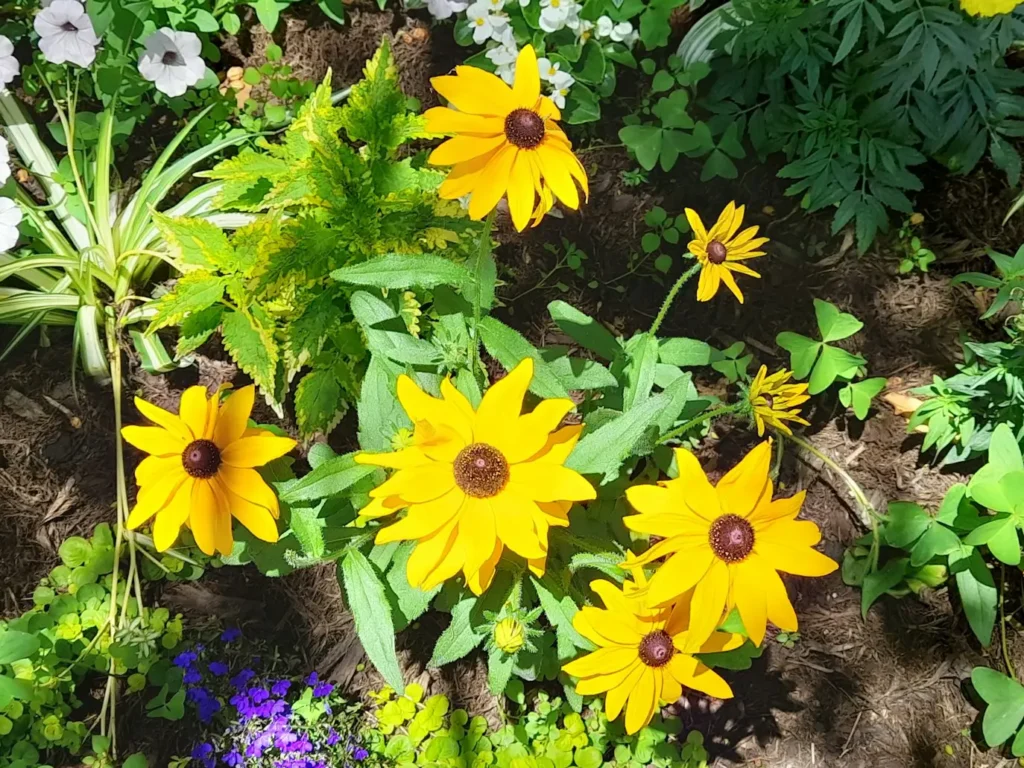
A cutting garden is a dream come true for flower lovers, a space dedicated to growing blooms specifically for fresh arrangements, bouquets, and home décor. Instead of buying flowers from stores, you can step outside and harvest your own fragrant, colorful stems throughout the growing season.
Whether you have a large backyard or a few raised beds, you can create a cutting garden that provides a constant supply of blooms from spring to fall. The key lies in choosing flowers that grow abundantly, have long stems, and last well in a vase.
This article explores the best flowers for a cutting garden, along with tips for design, maintenance, and harvesting, perfect for gardeners anywhere in the world.
Why Create a Cutting Garden?
By growing your own, you are essentially practicing the core skills of professional floristry right in your backyard, allowing for maximum freshness that store-bought flowers can’t match.
A cutting garden offers beauty, creativity, and sustainability. Here are some reasons gardeners love them:
- Constant Blooms Indoors: Freshly cut flowers brighten your home and can be refreshed weekly with new blooms.
- Cost-Effective: Growing your own flowers is much cheaper than buying bouquets from florists.
- Creative Freedom: You can experiment with color schemes, fragrances, and unique combinations.
- Pollinator Support: Many cutting flowers attract bees, butterflies, and beneficial insects.
- Therapeutic Joy: Gardening, harvesting, and arranging flowers provide relaxation and mindfulness.
Planning a Cutting Garden
Before choosing plants, consider these key aspects:
1. Location and Sunlight
Most cut flowers require full sun for at least 6 hours daily. Choose an open, well-drained site away from shade trees.
2. Soil Preparation
Rich, fertile soil produces healthy, long-stemmed blooms. Add compost or organic matter before planting to improve structure and nutrition. Ensuring you have a garden 12 inches deep with loose, well-amended soil is critical for cut flowers, as it allows deep root systems to support tall stems and heavy blooms like dahlias and peonies.
3. Succession Planting
Plant in waves to ensure a continuous harvest. Sow seeds every few weeks for a steady supply of flowers all season.
4. Color and Texture Variety
Combine flowers of different heights, shapes, and colors to create balanced bouquets. Include filler plants and greenery for contrast.
5. Ease of Harvest
Arrange rows or beds so you can easily reach flowers without stepping on them. Group plants by height for efficient cutting.
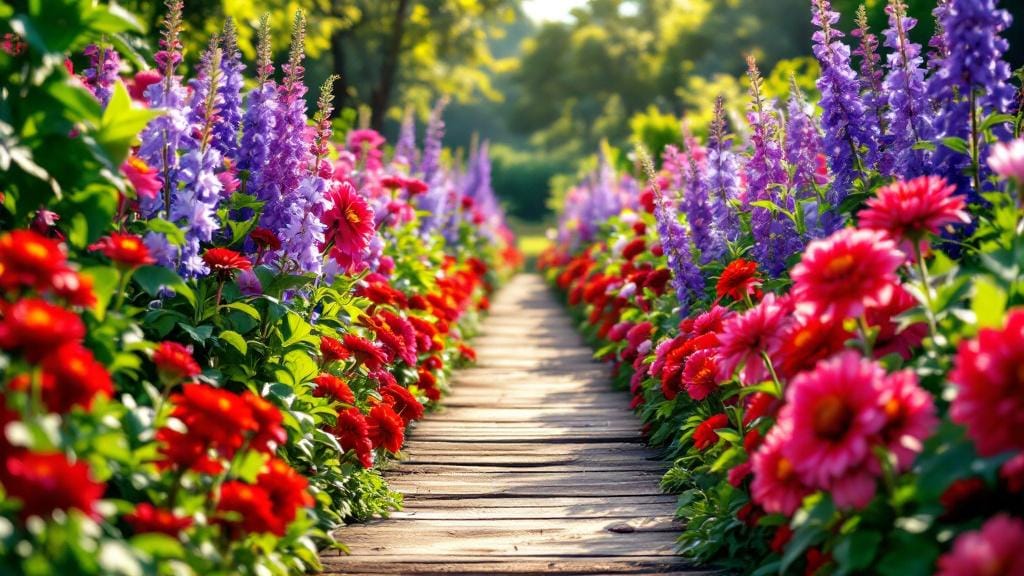

Best Flowers for a Cutting Garden
Below are some of the best flowers suited for cutting gardens around the world. These species are known for long stems, vase life, and easy cultivation.
1. Zinnias (Zinnia elegans)
Zinnias are the stars of the cutting garden. Their bold colors, pink, red, orange, yellow, and white, make them versatile for bouquets.
- Bloom Time: Summer to early fall
- Vase Life: 7–10 days
- Care Tip: Cut stems when flowers are fully open for maximum longevity.
Zinnias love warm weather and full sun. They’re prolific bloomers; the more you cut, the more they produce.
2. Dahlias (Dahlia spp.)
Dahlias produce stunning, large blooms in countless shapes and colors. They are perfect for showy arrangements.
- Bloom Time: Mid-summer to frost
- Vase Life: 5–7 days
- Care Tip: Cut in the morning when flowers are partially open.
In cold regions, dig up and store the tubers in winter for replanting next year.
3. Cosmos (Cosmos bipinnatus)
Cosmos are delicate, daisy-like flowers with fine, airy foliage that adds grace to arrangements.
- Bloom Time: Summer through fall
- Vase Life: 5–6 days
- Care Tip: Cut regularly to encourage more blooms.
They thrive in poor soil and full sun, making them low-maintenance and reliable.
4. Roses (Rosa spp.)
A classic choice for cutting gardens, roses bring elegance and fragrance to bouquets. Hybrid tea and floribunda varieties offer long stems and repeat blooms.
- Bloom Time: Spring to autumn
- Vase Life: 7–10 days
- Care Tip: Cut early in the morning and remove lower leaves before placing in water.
Roses thrive in sunny spots with well-drained soil and regular feeding.
5. Sunflowers (Helianthus annuus)
Few flowers make a statement like sunflowers. They’re cheerful, tall, and long-lasting, perfect for rustic or summer arrangements.
- Bloom Time: Summer
- Vase Life: 7–10 days
- Care Tip: Harvest when petals begin to open and place immediately in water.
Choose branching varieties for multiple blooms per plant.
6. Snapdragons (Antirrhinum majus)
Snapdragons bring vertical structure and vibrant color to arrangements. Their spiky blooms pair beautifully with rounder flowers.
- Bloom Time: Spring to early summer (longer in cool climates)
- Vase Life: 7–10 days
- Care Tip: Remove lower leaves and change water frequently to extend life.
They thrive in cooler temperatures, making them perfect for spring and fall gardens.
7. Sweet Peas (Lathyrus odoratus)
Known for their intoxicating fragrance, sweet peas are delicate climbers that produce clusters of soft, colorful blooms.
- Bloom Time: Spring to early summer
- Vase Life: 4–5 days
- Care Tip: Pick frequently to encourage more flowers.
Provide a trellis or support for climbing varieties and consistent watering.
8. Larkspur (Consolida ajacis)
Tall spikes of larkspur add drama and height to arrangements. Available in blue, pink, purple, and white, they’re perfect for formal bouquets.
- Bloom Time: Early to mid-summer
- Vase Life: 7–9 days
- Care Tip: Cut when half the flowers on a spike are open.
Larkspur prefers cooler temperatures and well-drained soil.
9. Peonies (Paeonia spp.)
Peonies are luxurious, fragrant blooms prized for their lush petals and romantic charm.
- Bloom Time: Late spring to early summer
- Vase Life: 5–7 days
- Care Tip: Harvest when buds feel soft and slightly open.
Once established, peonies return year after year with minimal care.
10. Echinacea (Coneflower)
Coneflowers provide sturdy, daisy-like blooms that last long in arrangements and attract pollinators.
- Bloom Time: Summer to fall
- Vase Life: 6–8 days
- Care Tip: Harvest when centers are fully developed.
They thrive in sunny spots and tolerate drought once established.
11. Statice (Limonium sinuatum)
Statice is an excellent filler flower, valued for its papery texture and ability to dry beautifully.
- Bloom Time: Summer
- Vase Life: 10–14 days fresh; indefinite when dried
- Care Tip: Harvest when most flowers are open.
12. Gladiolus (Gladiolus spp.)
These tall, elegant flowers come in a wide array of colors and add vertical flair to any bouquet.
- Bloom Time: Summer
- Vase Life: 7–10 days
- Care Tip: Cut when the first few florets open and place immediately in water.
Plant gladiolus corms in stages for a steady bloom supply throughout summer.
13. Chrysanthemums (Chrysanthemum spp.)
Chrysanthemums, or “mums,” provide abundant flowers in late summer and fall when many other blooms fade.
- Bloom Time: Late summer to frost
- Vase Life: 10–14 days
- Care Tip: Cut stems early in the morning and change water regularly.
They come in countless shapes, from pompons to daisy-like forms, and offer exceptional vase life.
Tips for Maintaining a Productive Cutting Garden
- Cut Regularly: Frequent cutting encourages more blooms and prevents plants from going to seed.
- Use Sharp Tools: Clean, sharp shears make precise cuts that heal quickly.
- Harvest at the Right Time: Early morning or late evening is ideal, when stems are fully hydrated.
- Condition Flowers: Remove lower leaves, recut stems at an angle, and place them in lukewarm water with floral preservative.
- Feed and Mulch: Apply balanced fertilizer and mulch to retain moisture and suppress weeds.
- Succession Plant: Sow new seeds every few weeks for a steady supply of flowers.
- Rotate Crops: Change planting locations annually to prevent soil exhaustion and disease buildup.
Designing a Beautiful Cutting Garden
- Organize by Height: Place tall flowers like sunflowers and larkspur at the back, medium-height flowers like zinnias in the middle, and short plants like statice in front.
- Mix Colors and Textures: Combine bold flowers with delicate fillers for visual balance.
- Incorporate Foliage: Add plants like dusty miller, eucalyptus, or basil for greenery and fragrance.
- Plan for Seasons: Include early, mid, and late bloomers for a continuous harvest from spring to frost.
Creating your own floral sanctuary is a journey that starts with the right plants. For a more detailed look at specific varieties and expert growing tips, don’t miss our comprehensive guide on the best flowers for a cut garden to help you grow stunning bouquets at home.
A cutting garden is one of the most rewarding and creative types of gardens you can grow. With thoughtful planning, even a small patch can produce hundreds of blooms to fill your home with color and fragrance all year long.
From classic roses and peonies to vibrant zinnias and sunflowers, the right mix of flowers ensures variety, beauty, and longevity in every bouquet. By following good gardening practices, proper watering, feeding, pruning, and harvesting, your cutting garden will flourish season after season.
Whether you’re a beginner or an experienced gardener, growing your own cut flowers connects you to nature and gives you the simple joy of bringing the garden’s beauty indoors one bouquet at a time.