


Your garden shed roof design plays a critical role in both the appearance and performance of your outdoor structure. The right roof design can enhance weather resistance, create additional storage or ventilation, and elevate the overall look of your garden. Whether you’re building a new shed or upgrading an old one, choosing the perfect roof ensures long-term durability and aesthetic harmony with your landscape. From classic gables to sleek flat roofs, modern sheds offer plenty of creative options. In this guide, we’ll explore practical and stylish ideas for optimizing your garden shed with the ideal roof design.
Why Roof Design Matters for Your Garden Shed
The roof design you choose for your garden shed affects everything from functionality to visual appeal. A well-designed roof protects your tools and equipment from the elements, helps with ventilation, and even influences the shed’s interior space. Poorly planned roofs can lead to leaks, heat buildup, or premature wear. Beyond practicality, your shed’s roof should also match your garden’s style, be it rustic, modern, or minimalist. By investing in the right garden shed roof design, you’re ensuring that your shed not only lasts for years but also adds charm and value to your outdoor space.
Gable vs. Pent: Choosing the Best Roof Shape for Your Shed
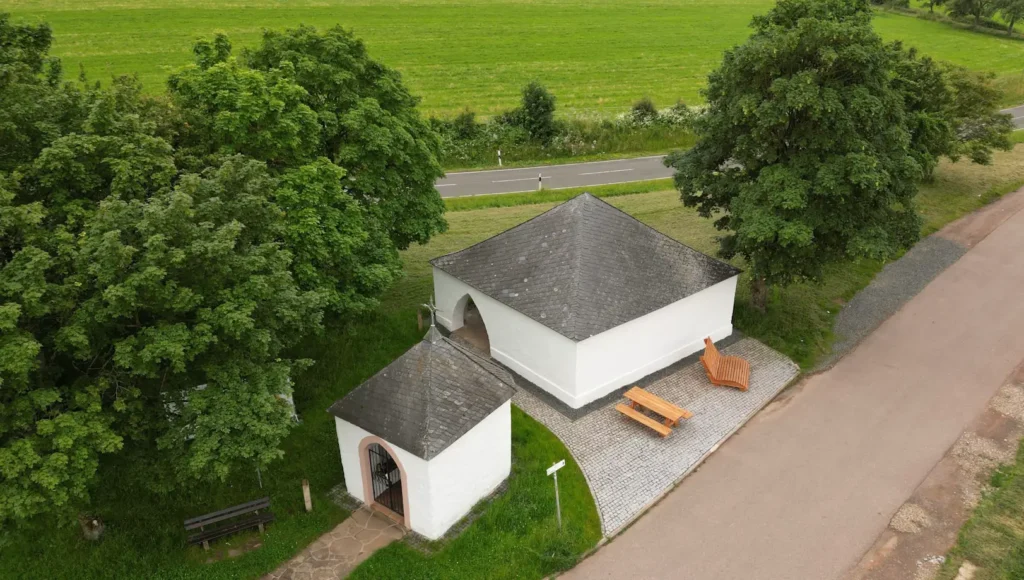
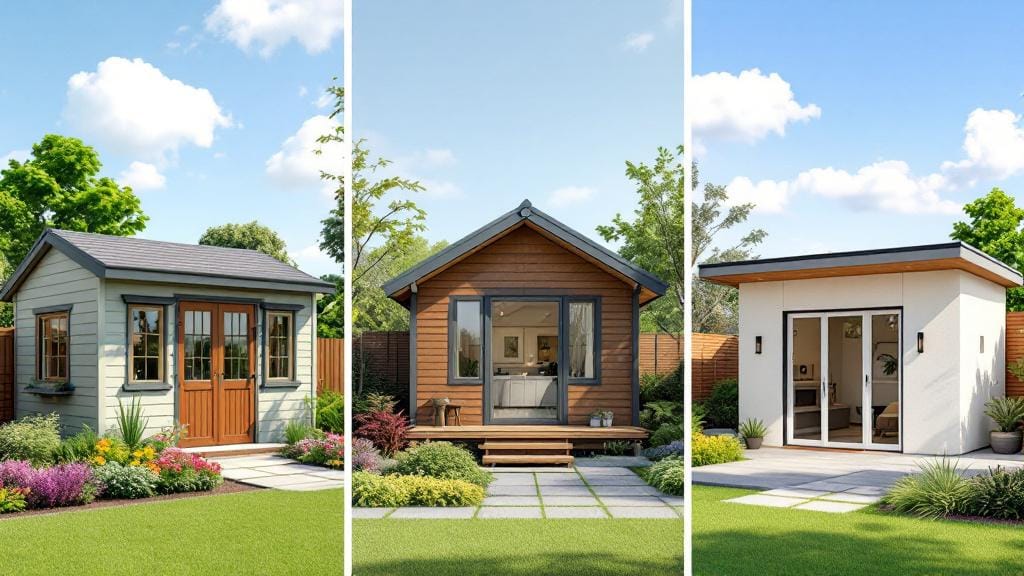
Two of the most common roof designs for a garden shed are gable and pent. A gable roof features two sloping sides that meet at a peak, offering a traditional look and good water runoff. It’s ideal for snowy or rainy climates. A pent roof, on the other hand, slopes in just one direction, making it perfect for placing your shed against a wall or fence. It provides a sleek, modern look and is easier to construct. Choosing between the two depends on your space, climate, and aesthetic preference, but both options serve different yet valuable purposes.
How to Design a Weatherproof Garden Shed Roof
Designing a weatherproof garden shed roof starts with selecting the right materials and slope. Ensure proper drainage by using a sloped or pitched roof design that prevents water from pooling. Use waterproof membranes or roofing felt beneath your main roofing material to add an extra layer of protection. Consider installing gutters and downspouts to direct rainwater away from the shed’s foundation. Ventilation is also key; roof vents or ridge vents help regulate temperature and moisture inside your garden shed. Weatherproofing your roof not only protects your investment but also extends the lifespan of the entire structure.
Eco-Friendly Garden Shed Roof Designs You’ll Love
If sustainability is a priority, there are several eco-conscious garden shed roof design options available. Green roofs, also known as living roofs, use vegetation planted on top of the roof for insulation and biodiversity. Creating a garden on a rooftop shed not only improves air quality but also provides natural cooling during hot Alabama summers. Solar-paneled roofs allow you to generate renewable energy for lighting or small tools. Recycled materials like reclaimed wood or metal sheets are both sustainable and stylish. These roof designs not only reduce your environmental footprint but also add a natural touch to your garden shed. Going green has never looked so good or been so beneficial to your backyard ecosystem.
For those with limited backyard space, taking these eco-friendly ideas to the next level by building a functional rooftop greenhouse can turn any flat roof into a year-round urban farm.

Flat Roofs for Garden Sheds: Modern Look, Practical Use
Flat roofs are becoming increasingly popular in garden shed roof design, particularly for contemporary outdoor spaces. A flat roof design offers a clean, minimalist appearance while also allowing for practical add-ons like solar panels, rooftop gardens, or even extra storage. Although flat roofs are slightly sloped to prevent water accumulation, they’re generally easier to build and maintain than pitched roofs. However, proper waterproofing is essential to avoid leaks. Flat roofs also make your garden shed blend seamlessly with modern homes and landscapes, making them a smart choice for style-conscious homeowners.
Incorporating Skylights and Vents into Your Shed Roof
Adding skylights and vents to your garden shed roof design boosts both form and function. Skylights bring in natural light, making the shed more inviting and usable for tasks like potting plants or working on DIY projects. Roof vents improve air circulation, reducing moisture buildup and extending the lifespan of tools and materials stored inside. Choose a roof design that allows easy installation of these features. Gable and flat roofs both offer good compatibility. Whether for aesthetics or comfort, skylights and vents transform a basic garden shed into a more enjoyable and practical space.
Choosing the Right Materials for Your Shed Roof
Material selection is crucial in creating a durable and attractive garden shed roof design. Common roofing materials include asphalt shingles, metal panels, wooden shakes, and corrugated plastic. Each has its pros and cons. Shingles are cost-effective and traditional, while metal is long-lasting and weather-resistant. Wood offers a rustic charm, though it requires more maintenance. Corrugated plastic is lightweight and great for natural lighting. Your choice depends on your climate, budget, and style preferences. A quality material not only protects your garden shed but also contributes to the overall look and energy efficiency of your outdoor space.
Sloped Roofs for Rainwater Harvesting
A sloped roof design can serve more than just aesthetic and structural purposes; it can also be an efficient system for rainwater harvesting. By installing a slanted roof with gutters and a rain barrel, your garden shed can collect and store water for irrigation and other outdoor uses. This eco-friendly setup reduces your reliance on tap water and supports sustainable gardening. Materials like metal or corrugated plastic work best for water collection. Pairing rainwater harvesting with your garden shed roof design not only saves resources but also integrates sustainability seamlessly into your garden layout.
DIY Garden Shed Roof Design: Where to Start
Planning a DIY garden shed roof design starts with assessing your needs, space, and skill level. Begin by choosing a roof type, gable, pent, or flat, and calculating the necessary dimensions and pitch. Next, decide on materials based on budget and climate. Ensure you have proper support structures in place before laying down roofing material. Don’t forget waterproofing layers, vents, and flashing. Online blueprints or shed kits can guide first-time builders. A successful DIY roof design not only saves money but also offers the satisfaction of creating a garden shed that’s custom-built for your backyard.
Stylish Roof Designs That Complement Your Garden
Your garden shed doesn’t have to be purely functional; it can also enhance the beauty of your outdoor space by creating a perfect harmony between the roof and garden. Choose a roof design that complements your home’s architecture and garden style. For cottage gardens, a gable roof with wooden shingles fits perfectly. Modern landscapes pair well with flat or pent roofs in sleek materials like metal or polycarbonate. You can even paint or plant your roof for added charm. With thoughtful design, your garden shed roof becomes a visual asset, blending structure with scenery for a cohesive, stylish backyard environment.