
There’s something deeply satisfying about stepping into your own garden and snipping fresh flowers for a vase. A bouquet of homegrown blooms brings color, fragrance, and a sense of accomplishment into any space. You don’t need a large garden, expensive tools, or professional skills to grow cut flowers successfully. Many of the best flowers for cutting are easy to grow, thrive in ordinary garden conditions, and reward even beginner gardeners with generous harvests all season long.
Why Grow Your Own Cut Flowers
Growing your own cut flowers has several benefits. It’s often more affordable than buying bouquets, and you can grow varieties not commonly found at florists. It’s also environmentally friendly—homegrown flowers eliminate the need for shipping and chemical preservatives. Most importantly, cutting flowers encourages new blooms, so the more you harvest, the more your garden produces.
Whether you want casual wildflower arrangements or elegant, long-stemmed blossoms, you can grow a diverse mix of easy-care plants that keep your vases full from spring through fall.
Annual Cut Flowers for Continuous Blooms
Annuals are perfect for cut-flower gardens because they grow quickly and bloom prolifically within one season. Many of them are “cut-and-come-again” flowers, meaning the more you harvest, the more they bloom.
Zinnias (Zinnia elegans) are one of the easiest and most rewarding cut flowers to grow. They love full sun and bloom in an endless array of bright colors—reds, pinks, oranges, yellows, and whites. Their sturdy stems make them excellent for bouquets, and they last a long time in a vase. Zinnias thrive in warm weather, and regular cutting promotes even more blooms.
Cosmos (Cosmos bipinnatus) are graceful, daisy-like flowers that sway elegantly on tall, slender stems. They’re easy to grow from seed, tolerate poor soil, and bloom profusely through summer. Available in pink, white, and magenta, cosmos add lightness and movement to arrangements. The more you cut them, the more they flower, making them perfect for a cutting garden.
Sunflowers (Helianthus annuus) are classic cut flowers that symbolize joy and warmth. While giant varieties are stunning in the garden, branching and smaller-stemmed types such as ‘Sunrich Orange’ or ‘ProCut Lemon’ are better for cutting. Sunflowers grow quickly in full sun and make bold statement flowers in any arrangement.
Sweet Peas (Lathyrus odoratus) are beloved for their intoxicating fragrance and romantic, ruffled petals. They grow best in cooler temperatures, so plant them early in spring. Their long stems and pastel shades of pink, lavender, and cream make them perfect for delicate, cottage-style bouquets.
Calendula (Calendula officinalis), also known as pot marigold, is another easy annual with cheerful orange and yellow blooms. It thrives in cooler weather and produces continuously if regularly cut. The petals are edible and often used to brighten salads and herbal teas.
Snapdragons (Antirrhinum majus) are colorful, vertical bloomers ideal for mixed bouquets. They come in shades of pink, red, white, yellow, and purple. Snapdragons prefer cooler temperatures, making them great for spring and fall cutting.
Nigella (Love-in-a-Mist) is a unique, easy-to-grow flower with delicate blue or white blooms surrounded by fine, feathery foliage. After flowering, it produces striking seed pods that add texture to both fresh and dried arrangements.
Perennial Flowers for Long-Term Beauty
Perennials return year after year, creating a reliable foundation for your cutting garden. Once established, they require less maintenance and provide a steady supply of flowers each season.
Echinacea (Coneflower) is one of the best perennials for cutting. Its bold, daisy-like blooms with raised centers come in shades of pink, purple, orange, and white. Echinacea is drought-tolerant and blooms from midsummer through fall. Its long stems and excellent vase life make it a must-have.
Shasta Daisies (Leucanthemum × superbum) are classic white flowers with sunny yellow centers. Their crisp, clean look pairs well with any arrangement. They’re hardy, long-blooming perennials that thrive in sunny borders.
Black-eyed Susans (Rudbeckia hirta) are sunny, golden-yellow perennials that bloom abundantly in mid to late summer. Their sturdy stems and cheerful faces add warmth to any bouquet.
Phlox (Phlox paniculata) offers clusters of fragrant blooms in white, pink, red, and purple. Its tall stems make it ideal for the middle of a cutting garden, and the flowers hold well in vases.
Peonies (Paeonia spp.) are beloved for their large, luxurious blossoms and lush fragrance. Though they take a couple of years to establish, they’ll reward you for decades. Peonies bloom in late spring and make stunning focal flowers in bouquets.
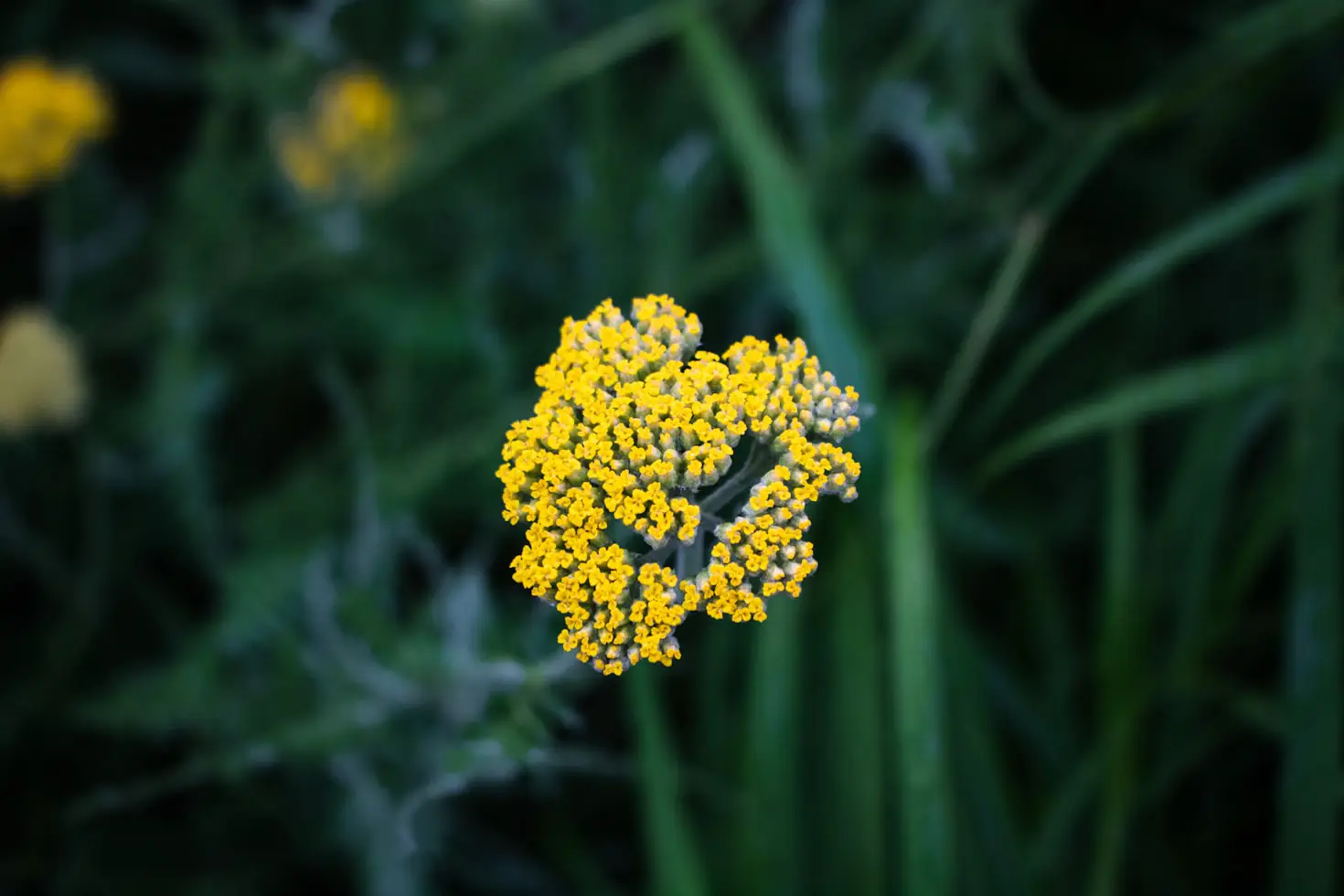
Yarrow (Achillea millefolium) is another perennial favorite for cutting. Its flat flower clusters in shades of yellow, pink, or white add texture to arrangements. Yarrow is hardy, drought-tolerant, and attractive to pollinators.
Filler Flowers and Foliage
No bouquet is complete without filler flowers and greenery to add texture and depth. Fortunately, many fillers are just as easy to grow as the main blooms.
Statice (Limonium sinuatum) produces papery, long-lasting clusters in blue, purple, pink, or white. It’s excellent for both fresh and dried arrangements.
Baby’s Breath (Gypsophila paniculata) is a classic filler with tiny white blossoms that soften the look of bold flowers. It’s perennial in warmer climates and easy to grow in well-drained soil.
Ammi (Ammi majus), also known as false Queen Anne’s lace, offers airy, white umbels that add delicacy to mixed arrangements. It grows quickly from seed and complements colorful blooms beautifully.
Dusty Miller (Senecio cineraria) provides silvery foliage that pairs wonderfully with both vibrant and pastel flowers. It’s heat-tolerant and adds contrast and texture to bouquets.
Basil (Ocimum basilicum) and mint (Mentha spp.) aren’t just for cooking—they’re also wonderful for cutting gardens. Both have fragrant leaves and can add greenery and scent to floral arrangements.
Tips for a Successful Cut-Flower Garden
A thriving cut-flower garden doesn’t require much space. Even a small patch or raised bed can yield enough blooms for frequent bouquets. Here are a few tips to ensure success:
1. Choose a sunny location. Most cut flowers thrive in full sun, meaning at least six hours of direct light per day.
2. Prepare the soil. Loamy, well-drained soil enriched with compost supports strong stems and abundant blooms.
3. Sow successively. Plant flowers in intervals of two to three weeks for a continuous supply of blooms throughout the season.
4. Water consistently. Deep, regular watering encourages long stems and healthy roots. Avoid overhead watering, which can damage petals.
5. Harvest often. Cutting flowers encourages more growth. Snip stems early in the morning when blooms are fresh and hydrated. Immediately place them in cool water to extend vase life.
6. Feed regularly. A balanced fertilizer applied every few weeks helps sustain continuous blooming, especially for annuals.
7. Support tall varieties. Some flowers, like cosmos or snapdragons, may need stakes or netting to prevent bending in wind or rain.
8. Mix colors and textures. Combine bold flowers like zinnias or sunflowers with soft fillers like ammi or statice for dynamic arrangements.
Flowers That Keep on Giving
If you want a low-maintenance cutting garden, focus on “cut-and-come-again” varieties such as zinnias, cosmos, and sweet peas. These plants respond to regular harvesting by producing even more flowers. Pair them with long-lived perennials like coneflowers and daisies for a garden that evolves beautifully each year.
For gardeners who enjoy dried arrangements, flowers like statice, strawflower (Helichrysum bracteatum), and nigella seed pods retain their shape and color long after harvest, extending your floral enjoyment into the colder months.
Conclusion
Growing your own cut flowers is one of the most rewarding forms of gardening. With just a few easy-to-grow varieties, you can fill your home with fresh, vibrant bouquets from spring through fall. Annuals like zinnias, cosmos, and sunflowers provide nonstop color, while perennials such as coneflowers, daisies, and peonies add lasting beauty year after year. Including filler flowers and foliage creates well-rounded, textured arrangements that look professionally designed. By planting a mix of these easy-to-grow cut flowers, even beginners can create a thriving garden that brings joy, fragrance, and natural beauty indoors season after season.


