


If you’re planning to build a garden shed, one common question is, Do I need a permit for a garden shed? The answer depends on various factors, including the size, location, and local regulations. Many municipalities require a permit for a garden shed to ensure safety standards, zoning compliance, and proper construction practices. Before starting your project, it’s important to check local building codes. Securing a garden shed permit helps avoid fines and legal issues while making sure your shed is built safely and within the law.
When a Permit Is Required for a Garden Shed
You typically need a permit for a garden shed if it exceeds certain size thresholds, usually around 100 to 200 square feet, though this varies by location. Additionally, if you plan to install electrical wiring or plumbing in the garden shed, a permit is almost always required to ensure the installation meets local safety and fire codes. Building too close to property lines or other structures might also trigger permit requirements. Even small sheds may need approval in some areas, so it’s essential to research local rules. Getting the correct permit before construction ensures you comply with safety regulations and avoid costly penalties.
Building too close to property lines or adding utilities might trigger permit requirements. If you’re planning to wash your new shed or driveway later, make sure your external plumbing is ready by knowing what size garden hose for pressure washer units works best to maintain your new structure’s exterior.
Common Regulations Affecting Garden Shed Permits
Local building codes and regulations commonly govern the issuance of a garden shed permit. These may include setback requirements from property lines, height restrictions, and materials allowed for construction. Fire safety codes and environmental considerations can also affect permit approval. Some communities require architectural review or neighborhood association approval before granting permits. Understanding these regulations ahead of time helps you design a shed that meets requirements and speeds up the permit process, saving time and effort.
Size and Height Restrictions for Sheds and Permits
Size and height are major factors in determining if you need a permit for a garden shed. Many jurisdictions allow small sheds under a certain size (often 100-120 sq ft) to be built without a permit, provided they meet height restrictions, typically between 8 and 12 feet. Larger or taller sheds almost always require permits. These rules help prevent oversized structures that could affect neighbors or property values. Always measure your planned shed carefully and compare it to local limits before building.
Zoning Laws and Their Impact on Garden Shed Permits
Zoning laws can have a significant impact on whether you need a permit for a garden shed. Zoning regulations dictate how land can be used and often include rules about accessory structures like sheds. These laws control where sheds can be placed on your property and what size and style are acceptable. Some zones have stricter rules, especially in historic districts or planned communities. Checking zoning maps and guidelines is a crucial step in planning your shed project and obtaining the necessary garden shed permit.
How to Check if You Need a Permit in Your Area
To find out if you need a permit for a garden shed in your area, start by contacting your local building department or municipal office. Many cities and counties provide online resources and guidelines for permits. You can also visit in person or call to ask about specific regulations. Reviewing local zoning ordinances, building codes, and homeowner association rules will help clarify the requirements. Doing this research early in the process helps you avoid surprises and ensures your shed is built legally.
Steps to Apply for a Garden Shed Permit
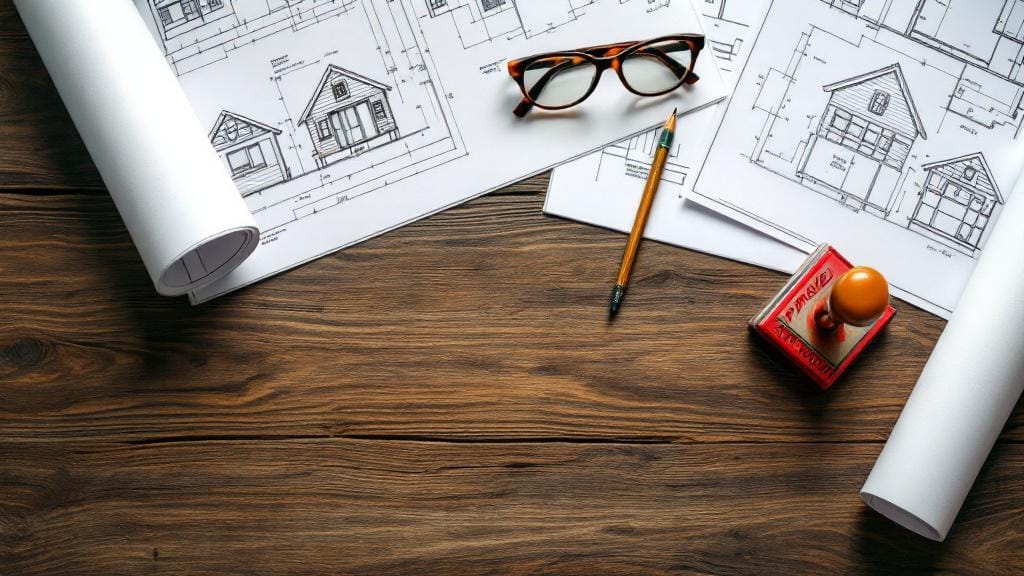
Applying for a garden shed permit typically involves submitting detailed plans, including the shed’s size, location, and construction materials. You may need to provide site maps showing setbacks from property lines. Some areas require inspections during and after construction. After submitting your application, it’s important to follow up and address any questions from the permitting office. Once approved, keep your permit documents handy during the building process. Following these steps ensures your shed project stays compliant and stress-free.

Consequences of Building a Shed Without a Permit
Building a garden shed without the proper permit can lead to serious consequences. Local authorities may issue fines or require you to remove or modify the shed to meet codes. This can be costly and time-consuming. Unpermitted structures can also cause problems when selling your property, as they may fail inspection or require retroactive permits. To avoid legal and financial troubles, always check if you need a permit for a garden shed before starting construction.
Tips for Ensuring Your Garden Shed Complies with Local Codes
To ensure your garden shed complies with all regulations, start by thoroughly researching local building codes and zoning laws. Consult with your local building department early and ask questions. Use professional or manufacturer plans when applying for your garden shed permit. Maintain good communication with inspectors during the process and keep records of all permits and approvals. By following these steps, you’ll build a safe, legal shed that meets your needs and avoids future headaches.