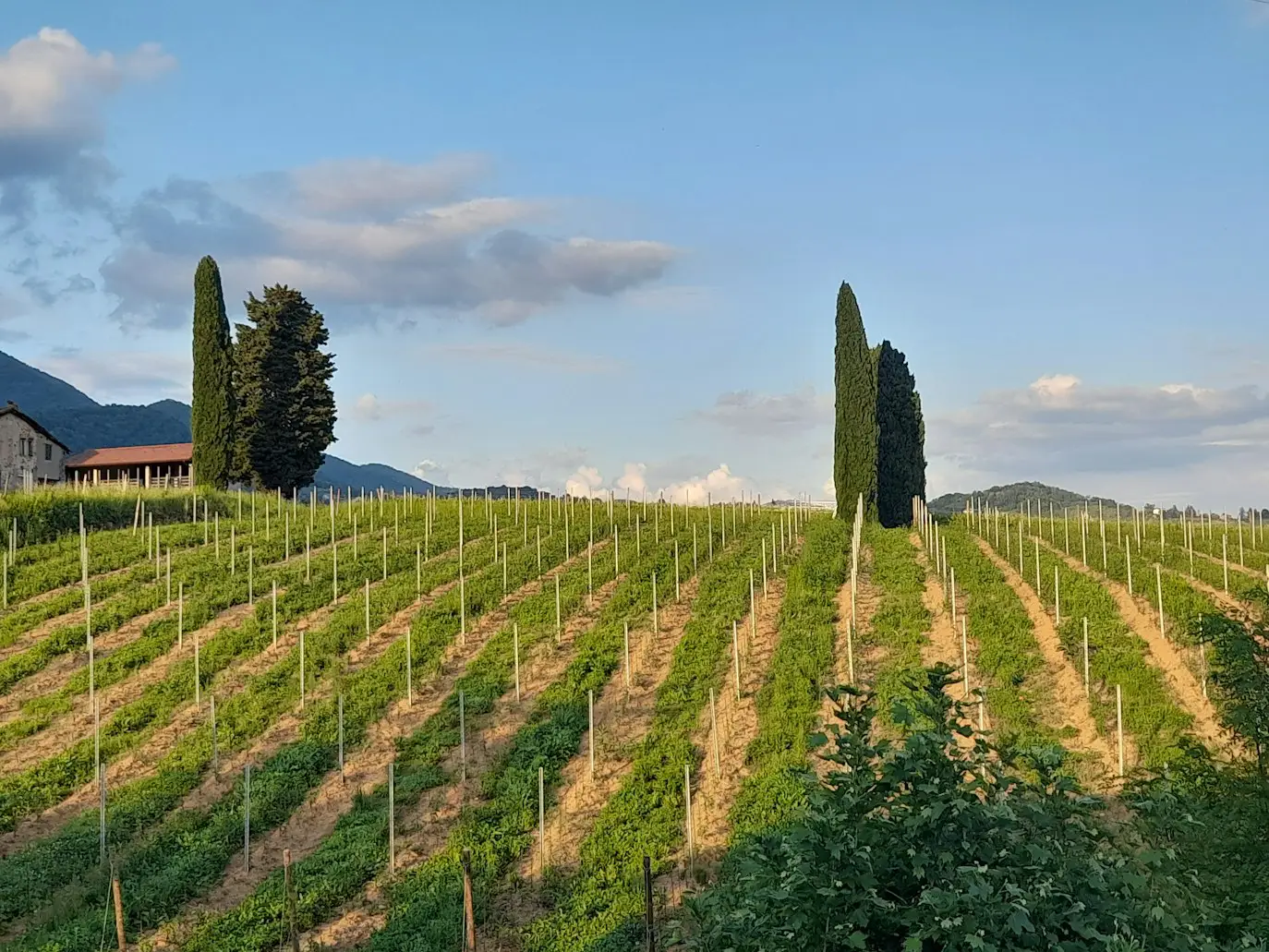

Italy is renowned for its rich agricultural heritage, and its best organic farms perfectly blend tradition with modern sustainability. The organic farms in Italy emphasize natural growing methods, avoiding synthetic chemicals to produce healthy, flavorful food. These farms preserve biodiversity, support local communities, and contribute to environmental protection. Travelers and consumers alike seek out these farms for their commitment to quality and sustainability. From Tuscany’s rolling hills to Sicily’s sun-soaked fields, Italy’s organic farms offer a unique experience where centuries-old farming techniques meet contemporary eco-friendly practices.
Exploring the Best Organic Farms in Italy: A Sustainable Journey
Visiting the best organic farms in Italy is more than a trip—it’s a sustainable journey. These farms implement eco-friendly practices such as crop rotation, composting, and natural pest control. They focus on maintaining soil health and promoting biodiversity, essential for long-term sustainability. The result is pure, chemical-free produce that supports healthier diets and reduces environmental impact. Whether you’re touring farm-to-table estates or purchasing products, exploring organic farms in Italy offers insight into how sustainability and tradition coexist to create some of the world’s finest natural foods.
What Makes Italy’s Organic Farms Stand Out Globally?
Italy’s best organic farms stand out because of their dedication to preserving traditional farming while integrating modern organic standards. Unlike industrial farms, they emphasize quality over quantity, growing diverse crops suited to their region’s climate and soil. This attention to terroir results in distinct flavors and higher nutrient content. Italy’s organic farms are also strictly regulated by European and Italian organic certification bodies, ensuring transparency and trust. Globally, they are admired for combining sustainable farming with cultural heritage, offering products that resonate with eco-conscious consumers seeking authentic, responsibly grown food.
The Rich History Behind Italy’s Organic Farming Traditions
Organic farming in Italy is deeply rooted in history, tracing back to ancient agricultural practices that respected nature’s cycles. For centuries, Italian farmers practiced low-impact cultivation, utilizing natural fertilizers and traditional crop rotations long before the term “organic” existed. This legacy forms the foundation of today’s organic farms in Italy, blending age-old wisdom with scientific advances. By maintaining these practices, Italian farms honor their heritage and contribute to the preservation of rural landscapes and biodiversity. This rich history enhances the authenticity and sustainability of Italy’s organic farming movement.
Top Organic Farm Regions You Must Visit in Italy
Some of the best organic farms in Italy are located in regions famous for their fertile soils and ideal climates. Tuscany is renowned for its vineyards and olive groves that follow organic principles. Umbria offers lush vegetable and herb farms, while Puglia is famous for organic olive oil production. Sicily’s farms produce organic citrus and exotic fruits. These regions combine natural beauty with organic agriculture, making them perfect destinations for eco-tourists and food lovers. Visiting these areas provides firsthand experience of Italy’s commitment to organic farming and the variety it supports.
How Italy’s Best Organic Farms Preserve Biodiversity
Biodiversity preservation is a key focus of Italy’s best organic farms. By avoiding synthetic chemicals and encouraging crop diversity, these farms protect beneficial insects, birds, and soil organisms. Practices such as intercropping, hedgerows, and maintaining wild habitats foster ecosystems that support natural pest control and pollination. This commitment ensures resilient agricultural systems that adapt to climate challenges. The protection of native plant varieties and traditional livestock breeds further enhances biodiversity. Italy’s organic farms demonstrate how agriculture can coexist with nature, creating a balanced environment that benefits both farmers and the planet.
The Role of Organic Farms in Italy’s Slow Food Movement
The Slow Food movement, founded in Italy, champions sustainable, local, and traditional food practices, closely aligned with the ethos of organic farms in Italy. Many of the best organic farms participate actively in this movement, promoting biodiversity, regional foods, and artisanal methods. Slow Food encourages consumers to value quality, seasonality, and ecological stewardship, which organic farms embody through their natural cultivation and harvesting. This synergy helps preserve cultural food heritage and supports small-scale farmers. Together, they foster a food system that respects the environment, flavors, and community well-being.
Why Consumers Trust Organic Farms in Italy for Pure Quality
Consumers worldwide trust organic farms in Italy because of their strict adherence to organic certification standards and transparent farming practices. The best organic farms prioritize natural methods, producing food free from synthetic pesticides, herbicides, and GMOs. This results in higher-quality products with authentic taste and nutritional benefits. Italy’s reputation for excellence in food combined with rigorous regulation assures consumers they are purchasing safe, sustainable, and genuinely organic products. This trust is reinforced by the country’s emphasis on traditional farming, artisanal processing, and environmental responsibility.
Seasonal Delights: What to Expect from Italy’s Organic Harvests
Italy’s organic farms offer a vibrant array of seasonal products that reflect the country’s diverse climates and terrains. Spring brings fresh herbs, leafy greens, and artichokes, while summer yields tomatoes, peppers, and berries bursting with flavor. Autumn is harvest time for grapes, olives, and chestnuts, essential to Italy’s organic delicacies. Winter offers hardy root vegetables and citrus fruits. The seasonality of produce from the best organic farms in Italy ensures freshness and peak nutritional value. Enjoying these seasonal delights connects consumers with nature’s rhythms and promotes sustainable consumption.
Supporting Local Communities Through Italy’s Organic Farming
Organic farming in Italy does more than produce quality food—it supports rural economies and communities. The best organic farms often are family-owned operations that sustain local employment and preserve traditional knowledge. By choosing organic farms in Italy, consumers help protect small-scale agriculture and encourage environmentally responsible land use. This support helps prevent rural depopulation and fosters cultural heritage. Many organic farms also participate in community initiatives such as farmers’ markets and agritourism, strengthening the bond between producers and consumers. Supporting Italy’s organic farms means investing in vibrant, sustainable rural communities.
The Future of Organic Farming in Italy: Innovations and Challenges
The future of Italy’s best organic farms looks promising but faces challenges such as climate change, market competition, and regulatory complexity. Innovations in organic agriculture, including precision farming and renewable energy use, help farms adapt and thrive sustainably. Research and education continue to improve soil management, pest control, and yield optimization without compromising organic principles. Consumer demand for organic products is rising, encouraging growth and investment. However, farmers must balance tradition with technology and overcome economic pressures. Italy’s commitment to organic farming ensures it remains a global leader in sustainable agriculture for years to come.


