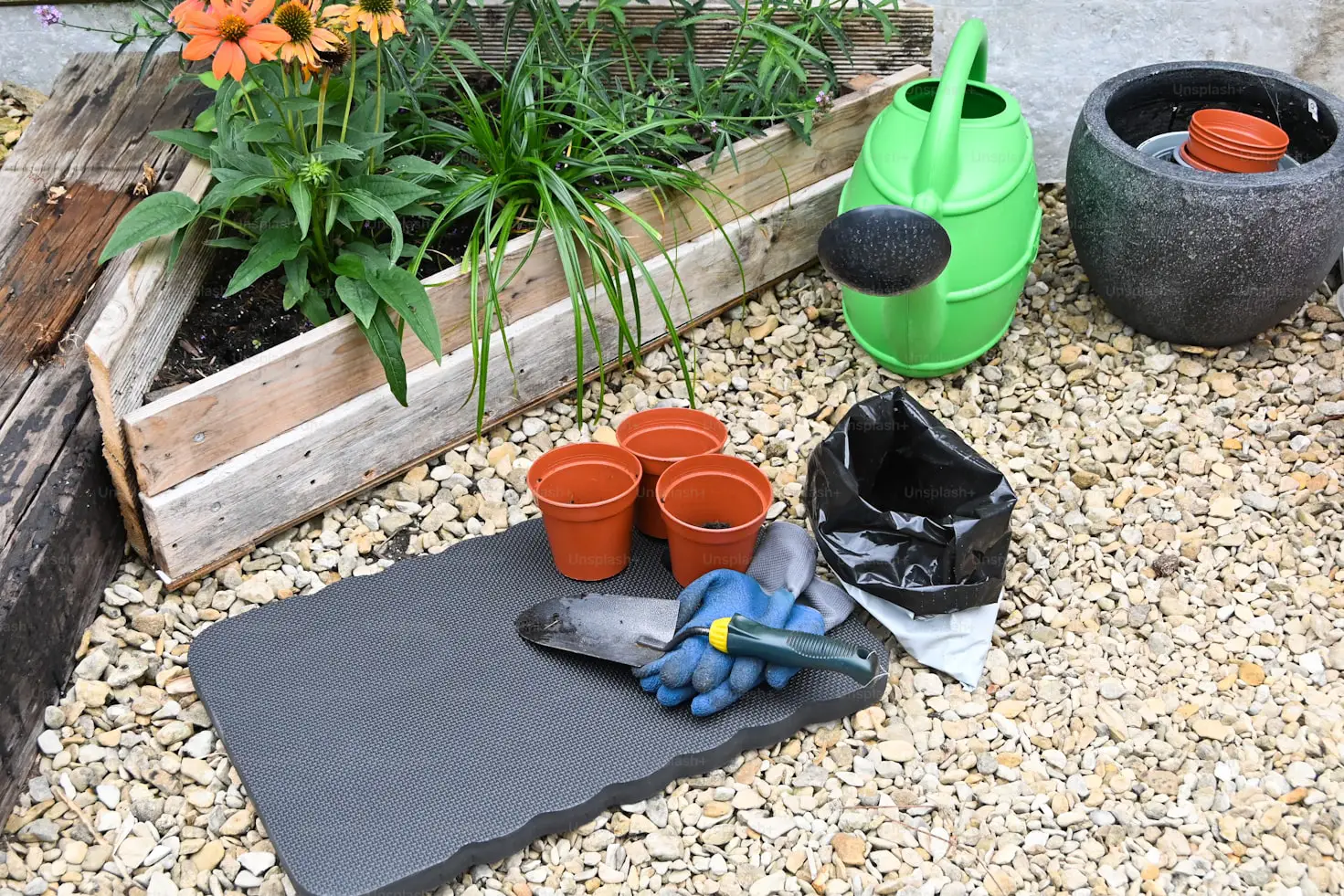

When it comes to stabilizing your RV, many ask the question: can garden rubber pads work on RV stabilizer pads? While garden rubber pads are commonly used for various outdoor purposes, their suitability for RV stabilizing is often misunderstood. RV stabilizer pads are designed to provide a firm, stable foundation that protects both the RV and the surface beneath it. Using garden rubber pads may seem like a convenient and affordable solution, but it’s important to understand their differences and limitations to ensure safety and effectiveness when parking your RV.
Purpose and Function of RV Stabilizer Pads
RV stabilizer pads serve a vital role in providing stability and support for your recreational vehicle. These pads distribute the weight of the RV more evenly, preventing damage to soft or uneven ground surfaces. They also help reduce rocking and swaying, creating a safer and more comfortable environment inside the RV. In addition, RV stabilizer pads protect your vehicle’s jacks from sinking into the soil or damaging pavement. Understanding their specific function helps explain why using the right type of pad is crucial for maintaining your RV’s safety and longevity.
Differences Between Garden Rubber Pads and Stabilizer Pads
Garden rubber pads and RV stabilizer pads may look similar at a glance, but they are designed with different purposes in mind. Garden rubber pads are typically lightweight, thin, and meant for casual outdoor use such as under plant pots or garden tools. In contrast, RV stabilizer pads are built to handle significant weight and pressure. They are thicker, denser, and often reinforced to resist cracking under heavy loads. These differences mean that while garden rubber pads might support light weight, they aren’t engineered to meet the demands of stabilizing a heavy RV.
Material Strength and Durability Comparison
The material strength and durability of pads are critical factors in their performance. RV stabilizer pads are made from high-density rubber or composite materials specifically chosen for their ability to withstand constant pressure and outdoor elements. Garden rubber pads, on the other hand, tend to be made from softer or less dense rubber compounds, making them less durable under heavy weight. Over time, using garden rubber pads on an RV can lead to deformation, cracking, or failure, which compromises stability and safety.
Weight-Bearing Capacity Considerations
One of the key considerations when choosing pads for your RV is the weight-bearing capacity. RV stabilizer pads are engineered to support thousands of pounds without bending or sinking. Garden rubber pads generally cannot support this kind of load and may compress or break under the weight of an RV. This discrepancy can lead to uneven stabilization or even damage to your RV’s leveling system. Knowing the weight requirements of your RV and selecting pads accordingly ensures your setup remains stable and secure.
Grip and Surface Protection Performance
Both grip and surface protection are important when using pads under RV stabilizers. RV stabilizer pads provide traction to prevent slipping and protect surfaces such as asphalt, concrete, or grass from being damaged by the jack feet. While garden rubber pads might offer some grip, their thinner profile and material type may not adequately prevent slipping or protect surfaces effectively. Using proper stabilizer pads can help avoid costly repairs to both your RV and the ground beneath it.
Situations Where Garden Rubber Pads May Be Used Temporarily
Although not ideal for long-term use, garden rubber pads work on RV stabilizer pads in temporary or emergency situations. If you’re in a pinch and need immediate support, garden pads can offer some stability for short periods. However, they should not replace purpose-built RV stabilizer pads for regular use. Temporary use may be acceptable on very flat, hard surfaces but is risky on soft or uneven ground where proper support is critical.
Risks and Limitations of Using Garden Pads on RVs
Using garden rubber pads instead of proper RV stabilizer pads comes with several risks. The pads may fail under the RV’s weight, causing the stabilizer jacks to sink or shift. This can result in RV instability, damage to the leveling system, or even accidents. Additionally, inadequate surface protection could damage delicate surfaces like asphalt or wood decks. Garden pads generally lack the thickness and durability required for safe RV support, making them unsuitable for consistent or heavy-duty use.
Expert Recommendations for RV Pad Alternatives
Experts recommend investing in high-quality RV stabilizer pads made specifically for recreational vehicles. These pads are designed to balance durability, weight capacity, and surface protection. Materials like reinforced rubber, composite plastics, or even heavy-duty wooden pads provide superior stability. When purchasing, look for pads sized to accommodate your RV’s jack feet and weight specifications. While garden rubber pads may be tempting for their low cost, using proper RV stabilizer pads is a safer and more reliable choice for your vehicle’s protection.


