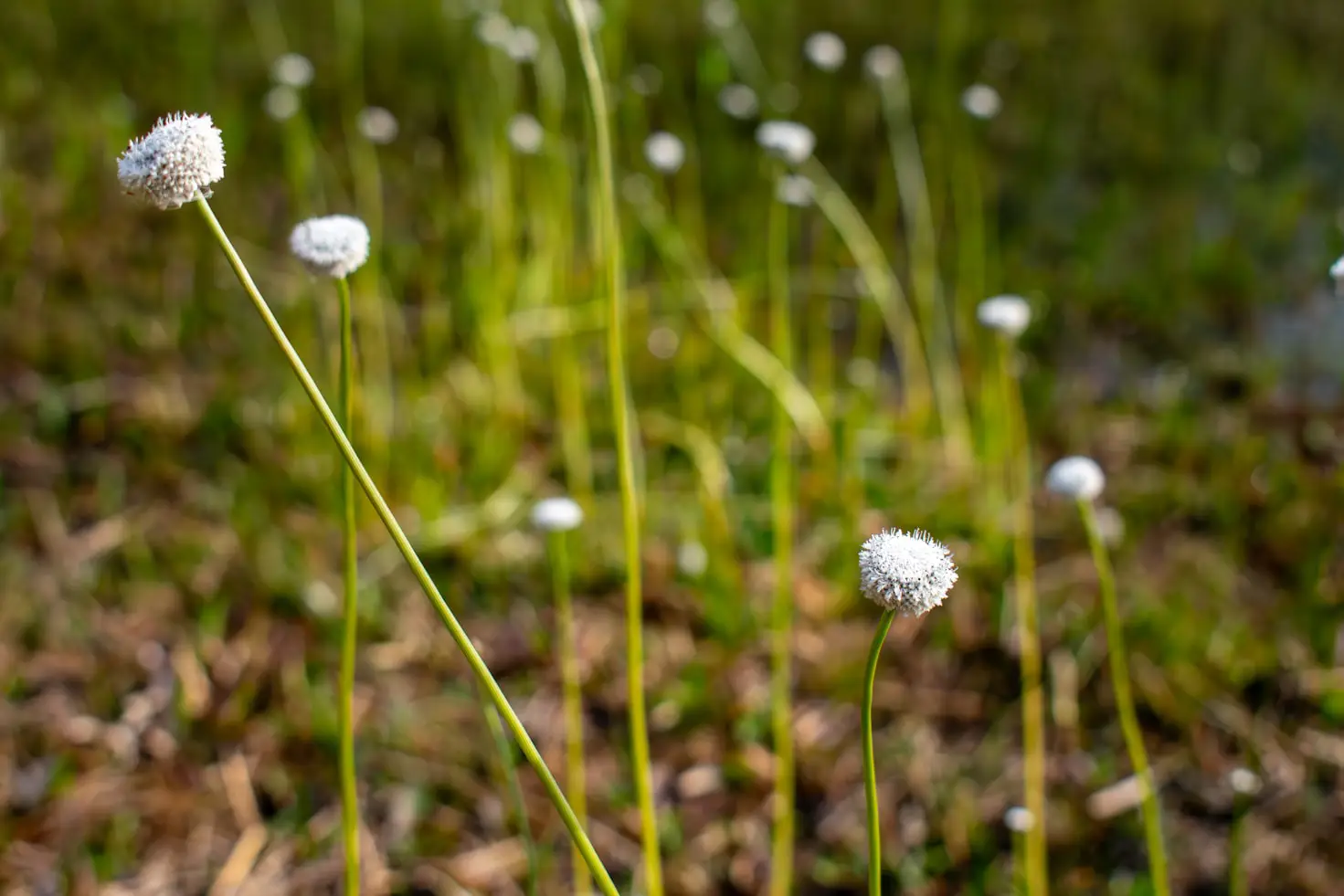

Bog flowers have the remarkable ability to thrive in moist, often challenging wetland environments. These unique flowers bring vibrant color and life to bogs, marshes, and other damp garden areas. Unlike many garden plants, bog flowers flourish in saturated soils where drainage is poor, transforming soggy ground into a thriving floral display. Incorporating bog flowers into your garden enhances biodiversity and creates a lush, naturalistic aesthetic. Whether you manage a wetland or a boggy garden corner, these resilient plants offer an eco-friendly way to beautify moist spaces with their stunning blooms.
What Are Bog Flowers and Why Are They Special?
Bog flowers refer to a variety of flowering plants adapted to grow in wet, acidic, and nutrient-poor soils typical of bog environments. What makes these flowers special is their ability to flourish where many traditional garden plants cannot survive. Their unique adaptations allow them to withstand waterlogged conditions and low nutrient availability. Many bog flowers have striking colors and interesting shapes, which add visual appeal to otherwise challenging garden spots. These flowers not only beautify bogs but also support delicate wetland ecosystems, making them both ecologically important and aesthetically valuable.
Top Bog Flowers That Thrive in Wet, Marshy Conditions
Several bog flowers are well-suited to moist, marshy garden areas. Popular species include the marsh marigold, which offers bright yellow blooms in early spring. The pitcher plant is another standout, known for its unique tubular flowers and insect-trapping leaves. Other favorites include the cardinal flower with its brilliant red spikes and the swamp milkweed, which attracts pollinators. These bog flowers have evolved to thrive in saturated soils and provide vivid splashes of color that enliven any wet garden area, making them excellent choices for gardeners managing damp spaces.
How to Grow Bog Flowers Successfully in Your Garden
Growing bog flowers successfully requires replicating their natural wetland conditions. Start with selecting plants suited to bog or marshy environments. Use soil mixtures high in organic matter such as peat moss to retain moisture and acidity. Maintain consistently moist or wet soil by watering regularly or creating a shallow water feature. Avoid fertilizing heavily, as bog flowers prefer nutrient-poor soils. Position plants in areas with partial sun to shade, depending on species needs. By understanding and mimicking their natural habitat, your bog flowers will thrive and bring vibrant life to moist garden areas.
The Best Soil and Water Conditions for Bog Flowers
Bog flowers require specific soil and water conditions to flourish. They grow best in acidic, poorly drained soils rich in organic matter like peat or sphagnum moss. The soil should remain consistently moist but not stagnant, as good water circulation prevents root rot. Ideally, water should be free from high mineral content, so rainwater or distilled water is preferable over tap water. These conditions closely mimic natural bog environments, providing the perfect balance of moisture and acidity. Creating such an environment is key to growing healthy and vibrant bog flowers.
Seasonal Blooms: When Do Bog Flowers Flower?
Bog flowers have varied blooming seasons depending on species and climate. Many bog flowers, such as marsh marigold, bloom in early spring, brightening wetlands after winter. Others, like cardinal flowers and swamp milkweed, bloom in mid to late summer, providing color during warmer months. Some species even offer extended blooming periods or late-season flowers that attract pollinators into fall. Understanding the seasonal bloom cycles allows gardeners to plan a continuous display of color in their bog or wet garden areas, ensuring year-round interest and ecological benefits.
Attracting Pollinators with Vibrant Bog Flowers
Bog flowers play an important role in attracting pollinators such as bees, butterflies, and hummingbirds to wet garden spaces. Their bright colors, unique shapes, and nectar-rich blooms provide essential food sources for these beneficial insects. Pollinators, in turn, help sustain the biodiversity of bog and wetland ecosystems by facilitating plant reproduction. Incorporating a variety of bog flowers with staggered bloom times enhances pollinator presence throughout the growing season. This natural interaction boosts the health and vibrancy of your bog garden while supporting local wildlife.
Design Tips for Incorporating Bog Flowers into Wet Gardens
When designing with bog flowers, consider layering plants of varying heights and colors to create visual interest. Grouping species with similar moisture and light needs ensures healthy growth. Use naturalistic layouts that mimic wetlands, such as curving borders around ponds or streams. Incorporate textured foliage alongside flowering bog plants to add depth. Paths or stepping stones can provide access without damaging delicate plants. Adding native bog flowers enhances ecological value and maintains a natural aesthetic. These design principles help transform moist, soggy spaces into stunning, vibrant gardens.
Common Challenges When Growing Bog Flowers and How to Overcome Them
Growing bog flowers can present challenges, including maintaining consistent moisture without waterlogging. Excessive fertilizer or alkaline soils can harm sensitive bog plants. Pest issues, such as fungal infections in overly damp conditions, may arise. To overcome these, ensure soil acidity and moisture levels are appropriate and avoid chemical fertilizers. Choose disease-resistant species and provide good air circulation. Regularly monitor soil moisture and adjust watering practices accordingly. Addressing these challenges thoughtfully will help your bog flowers thrive in otherwise difficult growing conditions.
Native Bog Flowers That Support Local Ecosystems
Native bog flowers are adapted to local wetland conditions and provide critical habitat and food for native wildlife. Examples include the swamp milkweed, essential for monarch butterflies, and the purple pitcher plant, which supports various insect species. Using native species helps preserve biodiversity and maintains the natural balance of wetlands. These flowers often require less maintenance since they are suited to local climate and soil conditions. Incorporating native bog flowers into your garden benefits both the environment and the aesthetic appeal, promoting sustainable gardening practices.
Transforming a Boggy Area into a Colorful Flower Garden with Bog Flowers
Transforming a soggy, boggy area into a beautiful flower garden is achievable with the right bog flowers and planning. Begin by improving soil texture with organic matter like peat moss and ensure consistent moisture levels. Select a variety of bog-adapted flowers for seasonal color and diversity. Design pathways to protect delicate plants and add visual interest. Over time, the boggy garden will bloom with vibrant flowers, attracting pollinators and wildlife. This transformation turns an often-overlooked space into a lush, colorful, proving that even wet, challenging spots can become garden highlights.


